
Product Liability

Search documents
Meta, Google risk big tobacco-like fallout after addiction trial
The Economic Times· 2026-03-26 04:00
While the $6 million in damages a jury in Los Angeles awarded to the 20-year-old plaintiff — which the companies vowed to appeal — will barely register on their balance sheets, the impact of the verdict will likely be more damaging and harder to quantify. The loss, in the first of thousands of product-liability lawsuits against Meta, Google and other social networks, is the kind of black eye that often leads to an increase in government regulations. Unless the verdict is overturned on appeal, the companies ...




Meta, Google Risk Big Tobacco-Like Fallout After Addiction Trial
Yahoo Finance· 2026-03-26 00:38
The trial is the start in a long line of similar lawsuits facing Meta and Google, as well as other social media companies including Snap Inc. ( SNAP ) and TikTok Inc. The platforms have been sued by thousands of individual users alleging personal injury, and by more than a thousand school districts claiming their products are hurting students and making it harder for teachers to teach.For years, social media companies have been shielded from most legal threats thanks to laws that grant them immunity from th ...
Jury Awards $20 MILLION in Casaretto v. Johnson & Johnson
PRWEB· 2025-11-02 02:00
Core Points - Dr. Casaretto, a long-time medical professional, used Johnson & Johnson's talcum powder daily and later developed malignant mesothelioma, leading to his death in December 2022 [1][2] - His case provides a significant exposure history in talc litigation, with experts finding asbestos in his product despite no known asbestos exposure in his career [2] - Allegations against Johnson & Johnson claim that their talc products, marketed as "gentle" and "safe," were contaminated with asbestos, and the company concealed these risks for decades [3]

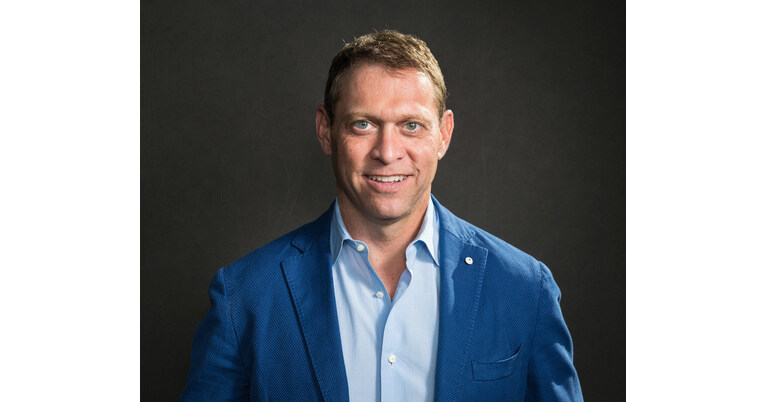
J&J faces first UK lawsuits alleging its baby powder caused cancer
Reuters· 2025-10-15 23:03
Core Viewpoint - Johnson & Johnson is facing its first lawsuits in Britain regarding allegations that its talc products may cause cancer, amidst ongoing legal battles involving tens of thousands of similar claims in the United States [1] Group 1 - The lawsuits in Britain mark a significant development for Johnson & Johnson as it expands its legal challenges beyond the United States [1] - The company is currently engaged in fighting numerous claims related to the safety of its talc products, which have been linked to cancer allegations [1]
Caring Brands(CABR) - Prospectus(update)
2025-09-19 20:16
As filed with the Securities and Exchange Commission on September 19, 2025. Registration No. 333-289767 UNITED STATES SECURITIES AND EXCHANGE COMMISSION Washington, D.C. 20549 AMENDMENT NO. 2 TO FORM S-1 REGISTRATION STATEMENT UNDER THE SECURITIES ACT OF 1933 CARING BRANDS, INC. (Exact Name of Registrant as Specified in its Charter) (State or Other Jurisdiction of Incorporation or Organization) (Primary Standard Industrial Classification Code Number) Nevada 2844 99-4103908 (I.R.S. Employer Identification Nu ...
OpenAI plans new safety measures amid legal pressure
CNBC Television· 2025-09-02 16:19
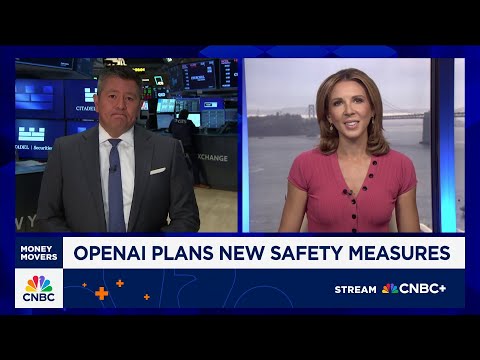
AI Safety and Regulation - OpenAI is launching new safeguards for teens and people in emotional distress, including parental controls that allow adults to monitor chats and receive alerts when the system detects acute distress [1][2] - These safeguards are a response to claims that OpenAI's chatbot has played a role in self-harm cases, with conversations routed to a newer model trained to apply safety rules more consistently [2] - The industry faces increasing legal pressure, including a wrongful death and product liability lawsuit against OpenAI, a copyright suit settlement by Anthropic potentially exposing it to over 1 trillion dollars in damages, and a defamation case against Google over AI overviews [3] - Unlike social media companies, GenAI chatbots do not have Section 230 protection, opening the door to direct liability for copyright, defamation, emotional harm, and even wrongful death [4][5] Market and Valuation - The perception of safety is crucial for Chat GPT, as a loss of trust could negatively impact the consumer story and OpenAI's pursuit of a 500 billion dollar valuation [5] - While enterprise demand drives the biggest deals, the private market hype around OpenAI and its peers is largely built on mass consumer apps [6] Competitive Landscape - Google and Apple are perceived as being more thoughtful and slower to progress in the AI space compared to OpenAI, which had a first-mover advantage with the launch of Chat GPT in November 2022 [8][9] - Google's years of experience navigating risky search queries have given them a better sense of product liability risks compared to OpenAI [9] Legal and Regulatory Environment - Many AI-related legal cases are settling, which means that it's not setting a legal precedent [7] - The White House has been supportive of the AI industry, focusing more on building energy infrastructure to support the industry rather than regulating it [7]
Tesla asks for $243 million verdict to be tossed in fatal Autopilot crash suit
CNBC· 2025-08-29 17:34
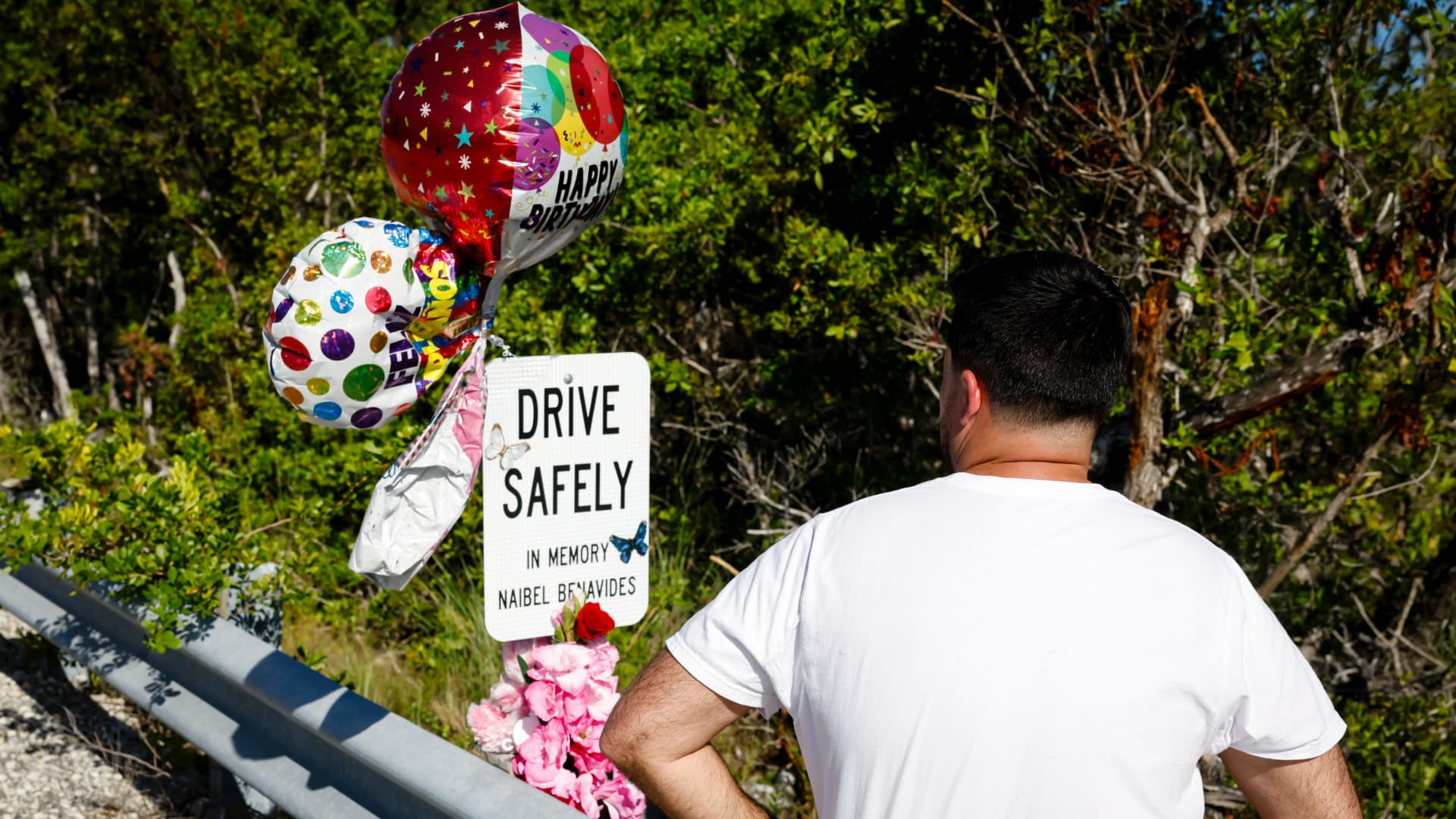
Core Points - Tesla is appealing a verdict in a product liability and wrongful death lawsuit that could result in a financial liability of $242.5 million if not overturned or reduced [1][2] - The company is seeking to have the compensatory damages reduced from $129 million to a maximum of $69 million, which would limit their payout to $23 million if the original verdict stands [2] - Tesla's legal team argues for the elimination or reduction of punitive damages, citing a statutory cap in Florida that limits such damages to three times the compensatory amount [3] Incident Details - The lawsuit stems from a fatal crash in 2019 in Key Largo, Florida, involving a Tesla Model S driven by George McGee, who was using the Enhanced Autopilot feature [3] - During the incident, McGee dropped his mobile phone and believed that the Enhanced Autopilot would automatically brake for obstacles [4]

Functional Brands(MEHA) - Prospectus(update)
2025-02-14 11:34
As filed with the Securities and Exchange Commission on February 14, 2025. UNITED STATES SECURITIES AND EXCHANGE COMMISSION WASHINGTON, D.C. 20549 Amendment No. 6 to FORM S-1 REGISTRATION STATEMENT UNDER THE SECURITIES ACT OF 1933 FUNCTIONAL BRANDS INC. (formerly HT Naturals Inc.) (Exact name of registrant as specified in its charter) Delaware 325411 85-4094332 (I.R.S. Employer (State or other jurisdiction of incorporation or organization) (Primary Standard Industrial Classification Code Number) Identificat ...
JUPITER WELLNESS(JUPW) - Prospectus
2025-02-04 21:32
Registration No. 333- As filed with the U.S. Securities and Exchange Commission on February 4, 2025 UNITED STATES SECURITIES AND EXCHANGE COMMISSION Washington, D.C. 20549 REGISTRATION STATEMENT ON FORM S-1 REGISTRATION STATEMENT UNDER THE SECURITIES ACT OF 1933 SAFETY SHOT, INC. (Exact name of registrant as specified in its charter) (State or jurisdiction of (Primary Standard Industrial (I.R.S. Employer incorporation or organization) Classification Code Number) Identification No.) Delaware 2844 83-2455880 ...


Catheter Precision(VTAK) - Prospectus(update)
2024-06-14 00:00
S-1/A 1 rmed_s1.htm FORM S-1/A As filed with the Securities and Exchange Commission on June 14, 2024 Registration No. 333-279930 Identification Number) UNITED STATES SECURITIES AND EXCHANGE COMMISSION Washington, D.C. 20549 AMENDMENT NO. 1 TO FORM S-1 REGISTRATION STATEMENT UNDER THE SECURITIES ACT OF 1933 Catheter Precision, Inc. (Exact name of registrant as specified in its charter) (State or other jurisdiction of incorporation or organization) Delaware 3841 38-3661826 (Primary Standard Industrial Classif ...