Psicología

Search documents
Solo es amor si... | Ro García Platas | TEDxCondesa
TEDx Talks· 2025-07-22 16:56
Core Argument - The speaker argues that societal changes have negatively impacted the ability to form healthy relationships, leading to a lack of self-understanding and reliance on defense mechanisms [1][2] - The speaker emphasizes the importance of self-knowledge and understanding one's own "user manual" to create genuine connections, rather than relying on defense mechanisms [2] - The speaker criticizes the romanticized view of relationships presented by media, which leads to unrealistic expectations and the repetition of unhealthy patterns [3] Psychological Insights - The speaker introduces the concept of "traumatic compatibility," where individuals are drawn to partners who trigger their defense mechanisms, perpetuating unhealthy relationship dynamics [9][10][11] - The speaker highlights the limitations of traditional therapy, which often focuses on identifying patterns without providing a roadmap for personal growth and self-understanding [5] - The speaker advocates for a holistic approach that combines trauma resolution with an understanding of one's biological temperament to foster self-awareness and healthier relationships [5][13][14] RGP Development's Approach - RGP Development emphasizes the importance of working on oneself before entering relationships, providing a "map" for self-discovery and personal growth [5] - RGP Development aims to empower individuals to become "self-cleaning ovens" who don't require constant therapy or guidance [23] - RGP Development utilizes the understanding of human biotypes to help individuals understand their strengths, weaknesses, and needs in relationships [22][23][24]

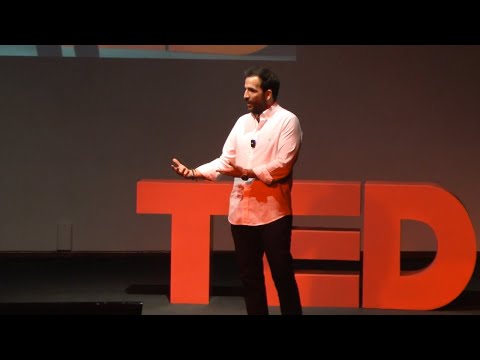
Trampas para no cambiar | Molo Cebrián | TEDxAlcarria St
TEDx Talks· 2025-07-15 16:47
Career & Personal Development - Many people feel reluctant to return to work after summer vacations due to issues with bosses, colleagues, or the job itself [1] - The speaker shares personal experiences of working in radio and later becoming a psychologist, driven by discomfort in a dream job [2][3][4][5][6][7] - The core message encourages listeners to examine situations ("boxes") in their lives that cause discomfort and to make conscious decisions about staying or leaving [19] Cognitive Biases & Decision-Making - The report identifies three common traps that prevent people from leaving uncomfortable situations: sunk cost fallacy (losing prior investment), status quo bias (assuming colleagues are correct), and fear of uncertainty (needing guaranteed success) [9][13][15] - Sunk cost fallacy is illustrated by continuing to read a boring book simply because of the time already invested [11][12] - Status quo bias is exemplified by sticking to a familiar route despite GPS suggestions or following established norms without questioning them [14] - The report highlights the human tendency to avoid losses more strongly than seeking gains, leading to risk aversion [15] - The report contrasts two modes of information processing: a quick, intuitive approach prone to biases, and a slow, analytical approach necessary for important decisions [15][16] Workplace Dynamics & Employee Well-being - The speaker observed that many former colleagues remain in their radio jobs despite expressing dissatisfaction, indicating a gap between feeling and action [17] - The report emphasizes the importance of making a conscious decision to stay in a job, rather than passively remaining due to inertia or external pressures [18]