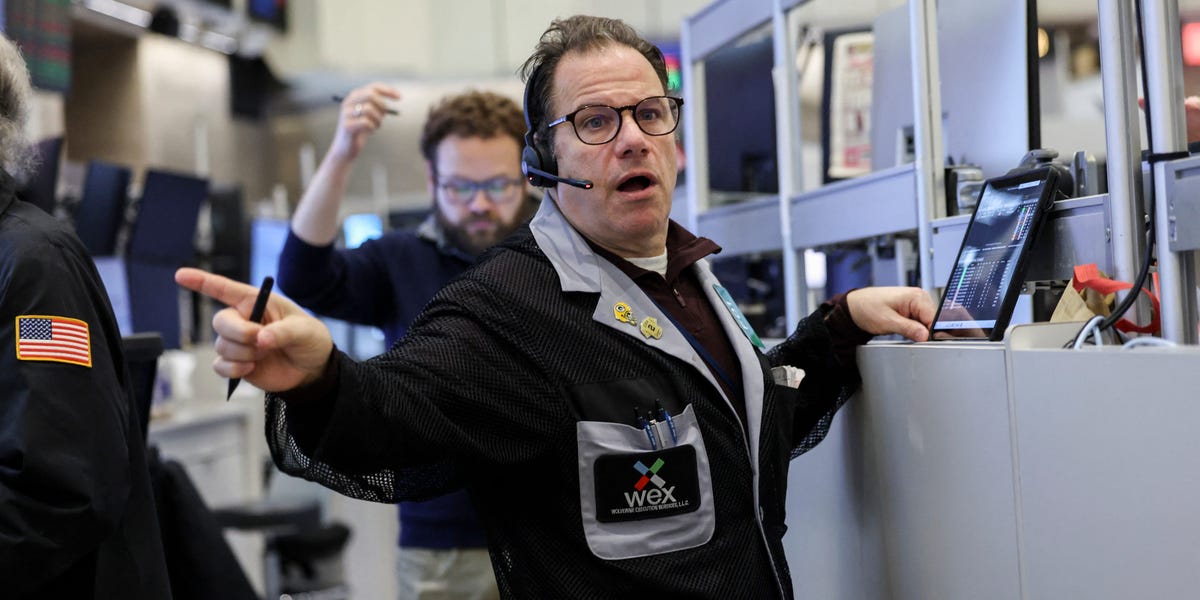
Tariff uncertainty

Search documents
2025年四季度后勤报告(英)
PitchBook· 2026-03-16 03:25
Investment Rating - The report indicates a positive outlook for the logistics industry, highlighting a rebound in private equity (PE) deal activity in Q4 2025, suggesting a favorable investment environment [8][10]. Core Insights - Logistics PE deal activity saw a dramatic rebound in Q4 2025, with 53 deals completed, reflecting a 17.8% sequential increase and a 39.5% year-over-year increase. The total deal value reached $8.7 billion, up 124.7% from Q3 and up 19.3% year-over-year [8][9]. - The overall deal count for 2025 increased by 8.9%, and deal value rose by 74.1% compared to the previous year, indicating a strong recovery in the logistics sector [8]. - Key segments driving deal value included air, support activities, and trucking, with significant transactions such as SAVE's $2.5 billion buyout in the air segment and Kinetic Group Holdings' $2.6 billion deal in support activities [9]. Summary by Sections PE and VC Activity - Q4 2025 experienced a significant increase in logistics PE deal activity, with 53 deals valued at $8.7 billion, marking a recovery from Q3's contraction due to tariff uncertainties [8]. - The logistics PE deal count for Q4 2025 was 53, with a quarterly change of 17.8% and a year-over-year change of 39.5% [25]. - The exit count in Q4 2025 totaled $7.2 billion across 19 deals, the highest quarterly exit value since Q4 2021 [10]. Logistics PE Ecosystem - The report provides a market map of PE-backed companies ranked by total capital raised, indicating a robust ecosystem for logistics investments [18]. - An investor map is included, showcasing active investors in global buyouts and growth equity within the logistics sector [22]. Segment Performance - Air freight volumes remained steady in Q4 2025, with modest growth and firm rates despite macroeconomic pressures [27]. - Rail freight showed mixed performance, with some regions experiencing growth while others faced slight declines [28]. - Marine freight struggled with overcapacity and subdued demand, leading to fragile pricing conditions [29]. - The trucking market saw modest improvements, with slight increases in rates amid a contracting capacity environment [30]. - The pipeline sector is expanding due to growing demand for liquefied natural gas and power from datacenters [31].
Bankers say tariff uncertainty is the new normal
American Banker· 2026-03-03 23:10
Core Insights - The current environment for bankers and commercial clients is characterized by significant uncertainty regarding foreign trade, primarily due to fluctuating trade policies and the impact of the pandemic on global supply chains [1][4]. Trade Policy Changes - The Supreme Court recently invalidated the global tariffs imposed by the Trump administration, which could potentially lead to tariff refunds amounting to $175 billion, although businesses are advised not to rely on these refunds [2][10][15]. - Following the Supreme Court ruling, President Trump announced a new 10% tariff on most imported goods, with intentions to increase it to 15%, although this has not yet been formally enacted [3][12]. Business Adaptation - Companies have become more resilient and adaptive to trade-related uncertainties, developing strategies to optimize operations amidst changing tariffs and supply chain disruptions [5][8]. - Businesses are increasingly sophisticated in their approach to supply chains, considering various scenarios and backup plans to mitigate risks associated with trade policy changes [9][10]. Economic Impact - The unpredictability of trade policies is hindering long-term planning and investment decisions for companies, as they navigate the complexities of tariff changes and their implications for operations [4][7][14]. - The latest tariff changes have had mixed effects on different sectors, such as agriculture, where higher import costs for certain goods have also created competitive advantages in domestic markets [13]. Client Sentiment - Despite the potential for refunds from the Supreme Court ruling, many clients remain cautious and are not counting on immediate financial relief, indicating a preference for maintaining good relationships with financial institutions regarding potential refunds [16][17].


Stocks are reeling after Asia chip-driven plunge
Yahoo Finance· 2026-03-03 19:47
Market Performance - The S&P 500 fell nearly 1% on March 3 following a significant 7.2% drop in South Korea's KOSPI Index, which includes major companies like Samsung and SK Hynix [1] - The KOSPI had previously risen 34% year to date before this decline, indicating a sharp reversal in investor sentiment [1] Company-Specific Impacts - Major declines were observed in key South Korean stocks: SK Hynix dropped 11.5%, Hyundai Motor fell 11.72%, Korean Air declined 10.32%, and Samsung Electronics decreased by 9.88% [8] - The performance of these companies is critical as they are significant players in the semiconductor and consumer electronics sectors, which are currently under pressure due to global uncertainties [1][8] Global Economic Context - The uncertainty in the markets is exacerbated by geopolitical tensions, including the U.S. and Israel's military actions against Iran, which may reshape Middle Eastern politics and impact global oil markets [6] - The assassination of Iran's Supreme Leader has heightened concerns over potential escalations in conflict, affecting oil supply routes and causing crude oil prices to surge [7]
HBB Shares Rise 6.7% Despite Y/Y Earnings Decline in Q4
ZACKS· 2026-02-27 18:56
Core Viewpoint - Hamilton Beach Brands Holding Company (HBB) has shown strong stock performance following its fourth-quarter 2025 results, outperforming the S&P 500 index significantly [1] Earnings & Revenue Performance - In Q4 2025, revenues were $212.9 million, slightly down from $213.5 million year-over-year, while gross margin improved by 220 basis points to 28.3% [2] - Operating profit increased by 8% to $25.4 million from $23.6 million, but diluted earnings per share fell to $1.38 from $1.75 due to tax comparisons [2] Full-Year Performance - For the full year 2025, revenues decreased by 7.3% to $606.9 million from $654.7 million in 2024, with gross margin slipping 30 basis points to 25.7% [3] - Operating profit declined by 15.3% to $36.6 million from $43.2 million, and diluted EPS fell to $1.95 from $2.20 [3] Segment Trends & Margin Drivers - Q4 revenue stability was driven by growth in the Commercial and Health segments, which offset declines in the U.S. Consumer segment [4] - Gross profit rose to $60.2 million from $55.8 million, supported by a favorable product mix and operational efficiencies [4] Expenses and Costs - Selling, general and administrative expenses increased to $34.7 million from $32.1 million, influenced by higher performance-based compensation and advertising costs [5] - A one-time $5.3 million tariff cost negatively impacted gross margin by 90 basis points [6] Cash Flow & Balance Sheet - Operating cash flow dropped sharply to $13.8 million in 2025 from $65.4 million in 2024 due to changes in working capital [7] - The company ended 2025 with total debt of $50 million and a net debt position of $2.7 million [7] Shareholder Returns - Hamilton Beach repurchased approximately 506,925 shares for $9 million and paid out $6.4 million in dividends during 2025 [8] Management Commentary & Strategic Initiatives - Management views Q4 as a significant recovery from tariff-related disruptions, focusing on diversifying sourcing and expanding higher-margin segments [9] - The company aims to grow premium offerings and penetrate food service and healthcare markets as long-term growth drivers [9] 2026 Outlook - For 2026, revenue growth is expected to approach the mid-single-digit range, with gross margin projected to be stable or slightly improved [11] - Operating profit is anticipated to decline in the low-teen percentage due to increased advertising and ERP transition costs [12] Other Developments - The expiration of the Bartesian licensing agreement at the end of 2025 will partially offset revenue growth in 2026 [13] - Transitioning from the legacy ERP system is expected to incur accelerated depreciation but aims for long-term operational benefits [13] Overall Summary - Hamilton Beach closed a challenging year marked by tariff volatility, with improving quarterly trends and a growth-oriented investment plan for 2026, although near-term profits will be impacted by increased spending and technology transition costs [14]


Dollar Edges Lower Amid Investor Caution
Barrons· 2026-02-27 09:31
Core Viewpoint - The dollar has declined against a basket of currencies due to investor caution stemming from geopolitical tensions and tariff uncertainties [1] Group 1: Market Reactions - The dollar's fall was limited by a drop in U.S. tech stocks, which heightened risk aversion among investors [1] - Investor sentiment remains cautious regarding the dollar, influenced by concerns over tariff policies and central bank independence [1] Group 2: Geopolitical Factors - Tensions between the U.S. and Iran are contributing to the cautious stance of investors [1] - Geopolitical interventions, particularly in Iran, are affecting market dynamics and investor confidence [1] Group 3: Investment Strategies - There is significant demand from international investors to hedge U.S. assets against potential dollar declines [1] - Bob Savage from BNY highlighted the importance of this hedging demand in the current market environment [1]
Nasdaq extends gains as AI takes center stage with Nvidia, Salesforce earnings due
Yahoo Finance· 2026-02-25 21:22
Group 1 - US stocks are expected to continue rebounding, with Nasdaq futures leading the way up 0.5% ahead of earnings reports from Nvidia and Salesforce [1] - Wall Street experienced a broad recovery, particularly in small caps and tech, with the Russell 2000 rising 1.2% and the Nasdaq increasing by 1% [2] - Software and cybersecurity stocks saw significant gains following Anthropic's launch of new connectors for its Claude Cowork platform, alleviating fears of disruption in the sector [2] Group 2 - Workday's stock fell approximately 10% after a slight revenue miss and weaker forward guidance, highlighting market sensitivity to earnings outlooks [3] - Investors are closely monitoring Nvidia's upcoming earnings report, particularly for insights on data center revenue, chip demand, margins, and hyperscale cloud spending [3] - Market analysts suggest that major US indices appear "rangebound" for now, with uncertainty surrounding potential catalysts for significant market movements [4]


Gold Rises as Traders Weigh Tariff Risks and Middle East Tension
Yahoo Finance· 2026-02-25 14:28
Group 1 - Gold prices rose as much as 1.3% on Wednesday, recovering most losses from the previous session due to uncertainty around US trade policy and tensions in the Middle East [1] - Silver prices surged above $90 an ounce, reflecting similar market dynamics affecting gold [1] - Gold has stabilized above $5,000 an ounce, recovering more than half of the losses from a significant two-day decline earlier in the month, indicating a potential breakout to the upside [3] Group 2 - The Trump administration's implementation of a 10% import levy, following a Supreme Court ruling, has created uncertainty in trade policy, with potential for the levy to increase to 15% [4] - National security investigations into the impact of certain imports could lead to additional tariffs, which may have significant implications for the US budget deficit, the US dollar, and Treasuries [5] - Concerns over rising sovereign debt are driving investors towards hard assets like gold, contributing to a multiyear bull run prior to a recent pullback [6] Group 3 - The prospect of a hold on US interest rates may pose challenges for gold, as it does not yield interest, with rates expected to remain unchanged for some time due to improvements in the labor market [7] - Recent economic data has led to a cautious stance from the Federal Reserve regarding potential cuts to borrowing costs, which could impact gold's attractiveness [7]
Today is a risk-off day to sell the things that have done well, says DCLA's Sarat Sethi
Youtube· 2026-02-23 21:32
Market Overview - The market is experiencing a downturn, which is not entirely surprising given the ongoing uncertainty [2] - Factors contributing to the decline include concerns over tariff uncertainties and potential impacts on interest rates from a possible tariff war [3] Financial Sector Insights - Financial stocks are facing sell-offs as investors reassess their exposure to potential risks stemming from the software sector's struggles [5][8] - There is a notable rotation in investments, with capital moving towards hard assets like energy and consumer staples [8] Company-Specific Developments - MX stock, despite its strong performance, is experiencing unexpected declines, raising questions about consumer exposure [6] - The market is awaiting earnings reports from major companies like Nvidia, which could serve as a catalyst for stabilization [10][11] Earnings Expectations - Nvidia's upcoming earnings report is critical; strong capital expenditures and demand for chips are essential for market confidence [11][12] - Other software companies, including Salesforce and Workday, are also set to report, and their performance could influence market sentiment [13]

Bitcoin Resumes Slide With Riskier Assets Falling Out of Favor
Yahoo Finance· 2026-02-23 17:50
Market Overview - Bitcoin briefly fell below $65,000, dropping as much as 4.8% to nearly $64,300, marking its lowest point since February 6 [1] - Ether, the second-largest cryptocurrency, experienced a decline of up to 5.2%, trading around $1,885 [1] - The overall crypto market saw a loss of $100 billion in value within 24 hours, with a total of over $2 trillion wiped out since the peak [7][5] Economic Factors - Uncertainty surrounding US tariffs has contributed to the volatility in the crypto market, with recent comments from US officials indicating that existing trade deals remain intact despite a Supreme Court ruling [1] - Former President Trump announced an increase in the global tariff from 10% to 15%, leading to a drop in the dollar and US stock futures [2] Market Sentiment - The crypto market is described as fragile, with support levels being tested around $60,000 [3] - Investors have pulled $3.8 billion from US-listed spot Bitcoin funds over five consecutive weeks of net outflows, the longest streak since February of the previous year [6] - There is a call for a new narrative to drive Bitcoin prices higher, as recent optimism around the US Clarity Act did not significantly impact market prices [8]
Software stocks are tanking the market again as AI and tariff uncertainty spook traders
Business Insider· 2026-02-23 17:21
Market Overview - US stocks experienced a decline at the start of the week, with major indexes losing more than 1% due to new tariff uncertainties and fears of AI disruption in the software sector [1][2][3] - The Dow Jones Industrial Average dropped over 800 points as selling intensified around midday [2] Tariff Impact - President Trump's announcement to increase global tariffs to 15% contributed to market volatility, following the Supreme Court's decision to overturn most of his previous tariffs [2] - The uncertainty surrounding tariffs has led to increased volatility on Wall Street, affecting investor sentiment [3] Software Sector Concerns - The iShares Expanded Tech-Software Sector ETF fell by 5%, marking a nearly 30% decline in 2026, indicating a bear market for the software sector [3] - Renewed fears regarding AI's impact on the economy have led to speculation about a potential white-collar recession and stock market crash, as highlighted in a report by Citrini Research [4][5] AI and Capital Expenditure - Concerns about AI's influence on market dynamics have prompted discussions about capital expenditure (capex) spending, particularly in relation to AI data centers [6] - Investors are awaiting Nvidia's earnings report, which is expected to provide insights into the tech sector's performance amid these uncertainties [5][7] Hedge Fund Activity - Hedge funds have significantly reduced their exposure to US equities, with net sales occurring at the fastest pace since last March, indicating a cautious approach among institutional investors [6][7]