Third Culture Kid (TCK)

Search documents
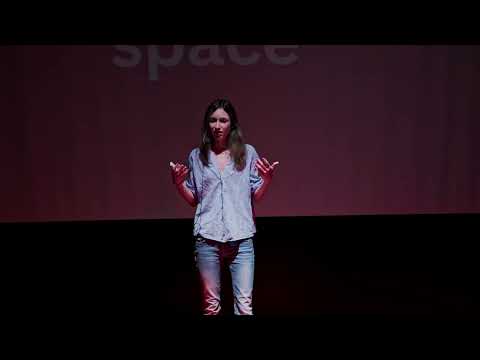
The war of my worlds: A nomadic upbringing | Katen Gonzalez | TEDxBSB Shunyi Youth
TEDx Talks· 2025-12-09 15:50
Core Idea - The speech explores the complex identity of a Third Culture Kid (TCK), someone raised in a culture different from their parents', and the challenges and benefits of such a life [5][8] - It emphasizes the importance of self-definition and not being confined by labels or others' perceptions [17][18] Experiences and Challenges - The speaker has moved 12 times and lived in nine different cities across multiple countries, leading to a sense of cultural detachment and difficulty in identifying with a single nationality [1] - The speaker describes a feeling of loneliness and being an outsider due to the lack of a traditional hometown and shared cultural experiences [12] - The speaker initially struggled with the metric and imperial systems of measurement, highlighting the practical challenges of a globally mobile life [5] - The speaker expresses difficulty in answering the question "Where are you from?" due to feeling neither fully American nor fully connected to their other nationalities [8] Growth and Perspective - The speaker has learned to value gratitude and appreciate opportunities before they pass by, recognizing the unique experiences their lifestyle has afforded [4] - Attending international schools and forming friendships with other TCKs has been a valuable source of support and understanding [9][10] - Spending time in a small town in America helped the speaker realize they don't need to be defined by any single label and can embrace their unique identity [15][17]

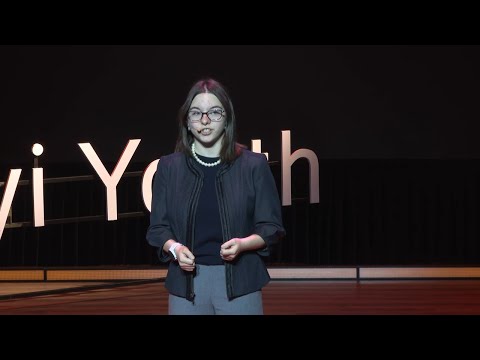
How Third Culture Kids Hold the Key to Inclusive Leadership | Emilia Lun | TEDxEspoo Youth
TEDx Talks· 2025-06-23 16:52
Core Argument - The speech highlights the value of "Third Culture Kids" (TCKs) and individuals who grow up between cultures, emphasizing their unique ability to bridge divides and lead with empathy [2][5][6] - It suggests that TCKs possess valuable skills in navigating diverse environments, understanding different perspectives, and fostering inclusion [7][8] - The speech advocates for a shift in leadership perception, valuing listening, bridging, and belonging over simply having all the answers [7][10] Key Characteristics of TCKs - TCKs adapt easily, often speaking multiple languages and blending cultural practices [2] - They develop a strong sense of empathy and the ability to notice and connect with those who may feel unseen or excluded [6] - TCKs are adept at navigating different cultural contexts and finding common ground in unexpected places [7] Implications for Diversity, Equity, and Inclusion (DEI) - The speech connects the experiences of TCKs to DEI principles, emphasizing that diversity is about perspective, equity ensures no one is left behind, and inclusion creates a sense of belonging for everyone [8] - It suggests that TCKs can contribute significantly to creating more inclusive environments by leveraging their cross-cultural understanding and empathy [8] Call to Action - The speech encourages TCKs and those who grew up "in between" to embrace their unique strengths and perspectives [9][10] - It envisions a future where leadership is characterized by listening, bridging, and fostering belonging, with TCKs playing a crucial role in driving positive change [10]