Wildfire Risk

Search documents
Xcel Energy Could Hit $89 by Year-End as UBS Argues Wildfire Risks Are Already Priced Into $76.75 Stock
247Wallst· 2026-03-24 14:32
Core Viewpoint - UBS has set a price target of $89 for Xcel Energy, maintaining a Buy rating, arguing that the recent stock selloff has undervalued the company despite its strong earnings growth potential and upcoming catalysts [3][4]. Financial Performance - Xcel Energy (XEL) is currently trading at $76.75, reflecting a 5.73% decline over the past week, with a projected EPS for 2026 between $4.04 and $4.16 [2]. - The company has achieved a 14% gain over the past year, with analysts estimating a consensus target of $88.44 [4]. Growth Drivers - Xcel's $60 billion capital plan focuses on transmission and renewable energy, supporting regulated utility earnings growth [12]. - The data center pipeline has doubled to 6 GW by the end of 2027, with partnerships including Google, indicating strong demand growth [12]. - Xcel has consistently increased its dividend for 23 years, with a current quarterly payout of $0.5925 per share and an annual yield near 3.1%, targeting annual increases of 4% to 6% [12]. Risks and Challenges - Key execution risks include wildfire liabilities, particularly from the Smokehouse Creek Fire, with estimated losses of $430 million before insurance [7]. - Ongoing litigation in Texas poses additional regulatory risks [8]. Market Sentiment - UBS believes that the market has overly discounted wildfire and regulatory concerns, suggesting that the risks are largely priced in [5][8]. - Insider activity is trending towards net buying, indicating positive sentiment among company insiders [8].


X @Bloomberg
Bloomberg· 2026-03-15 15:05
California insurers are balking at even protecting homes with a lower wildfire risk. Here's how the state wants to change their mind https://t.co/ciXALOOK67 ...
X @Bloomberg
Bloomberg· 2025-11-25 10:32
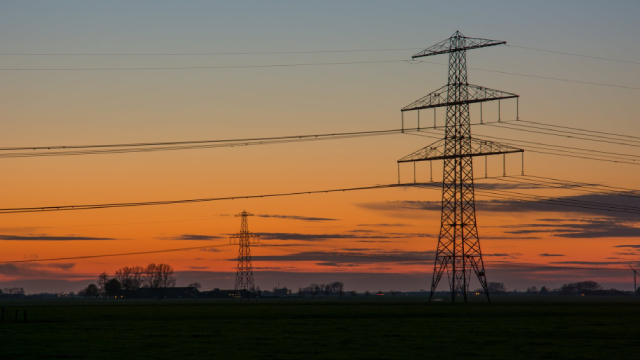
Industry Focus - Utilities are leveraging AI startups to mitigate wildfire risk along thousands of miles of power lines [1] - The focus includes identifying individual trees for removal and poles for replacement [1]
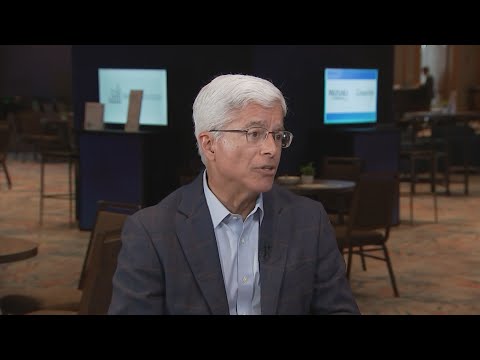
Edison International CEO on providing power in high wildfire risk areas
CNBC Television· 2025-11-12 16:02
CNBC's Brian Sullivan sits down exclusively with Edison International President & CEO Pedro Pizarro at the Edison Electric Institute Conference in Hollywood, FL, to discuss Eaton fire compensation, mitigating wildfire risk, providing safe and affordable electricity and more. ...

California's Insurance Gap: What Homeowners Need to Know
Prnewswire· 2025-05-29 16:00
Core Insights - A significant number of California homeowners are underinsured, risking insufficient funds to rebuild their homes after disasters [2][3] - The issue of underinsurance is exacerbated by rising construction costs, increased wildfire risks, and market adjustments in the insurance sector [4][5][7] Underinsurance Statistics - Approximately 806,600 residences in California are completely uninsured, representing 10.5% of all homeowners [3] - The use of the California FAIR Plan, a basic fire insurance option, has increased by 300% since 2018, now covering 4% of the state's homeowners [6] Factors Contributing to Underinsurance - Rising insurance costs in wildfire-prone areas are leading homeowners to underinsure or let their coverage lapse to reduce premiums [5] - Increased frequency and severity of wildfires are making it more challenging and expensive to insure homes [7] - Regulatory constraints from Proposition 103 complicate insurers' ability to adjust rates in response to evolving risks [8] Policy Considerations - Understanding the difference between actual cash value and replacement cost policies is essential for homeowners to ensure adequate coverage [9] Recommendations for Homeowners - Homeowners can reduce wildfire risk through property mitigation strategies, which may lower insurance costs and qualify them for discounts [10] - The state is implementing changes to improve insurance availability and affordability in high-risk areas, as seen in the Sustainable Insurance Strategy introduced by the Insurance Commissioner [11]