Underinsurance

Search documents
How small businesses are insuring their cargo from a surge in thefts
CNBC Television· 2026-02-18 18:04
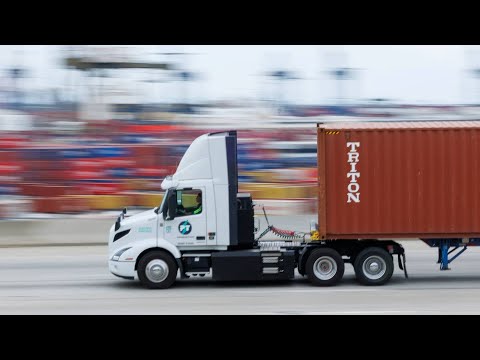
Reports of cargo theft have been surging with an estimated $725 million in losses in 2025. And what's more shocking, more than 60% of cargo on North American roads are either underinsured or not insured at all. Joining me now to discuss freight insurance solutions is Michelle McGinness, CEO of My Cargo 247, a female founded spot cargo insurance company that is the only insurance company in the country that ensures one-way oneoff freight.I want to ask you what made you see this opportunity in creating this o ...

Americans fear death, disability, bankruptcy as ACA subsidies expire and millions consider plans they can’t afford
Yahoo Finance· 2026-02-16 15:00
Core Insights - The expiration of enhanced premium tax credits for the Affordable Care Act (ACA) is leading to significant increases in health insurance premiums, with average annual payments for subsidized enrollees projected to rise from $888 in 2025 to $1,904 in 2026, marking a 114% increase year-over-year [1][3]. Group 1: Impact of Subsidy Expiration - The enhanced premium tax credits, which were introduced in 2021 and extended through 2025, significantly reduced the share of income that households on ACA plans had to contribute towards health insurance, capping premiums at 8.5% of household income for those earning over 400% of the poverty line [2]. - The lapse of these subsidies has resulted in many families experiencing a drastic increase in their health insurance costs, effectively doubling the cost of entry into the medical system overnight [4]. - Early indicators suggest a decline in enrollment trends as families reassess their health insurance options in light of rising costs, indicating a shift towards plans that may offer inadequate coverage [6]. Group 2: Consumer Behavior and Choices - Many consumers are opting for lower-cost bronze plans with high deductibles, which can lead to significant out-of-pocket expenses and potential medical debt in case of health crises [3][8]. - This trend of choosing lower premiums at the expense of adequate coverage is creating a nationwide pattern of financial vulnerability, with some states attempting to mitigate the impact through state-funded subsidies [9][10]. - States like Connecticut have announced funding to assist residents facing the loss of federal subsidies, although these programs are not guaranteed to be permanent and may not cover all affected individuals [10][11]. Group 3: Strategies for Consumers - To navigate the changing landscape, consumers are advised to focus on lowering total financial risk rather than just monthly premiums, ensuring that income projections are accurate to maximize subsidy eligibility [13]. - It is crucial for consumers to compare all aspects of health plans, including premiums, deductibles, and out-of-pocket maximums, to determine the best protection in the event of a catastrophic medical event [14]. - For younger individuals or those qualifying for hardship exemptions, catastrophic plans may serve as a last resort, providing lower premiums while covering essential benefits after high deductibles are met [15].
LA Fire Survivors Got a Rude Surprise That Could Hit More Americans
Insurance Journal· 2026-01-20 06:00
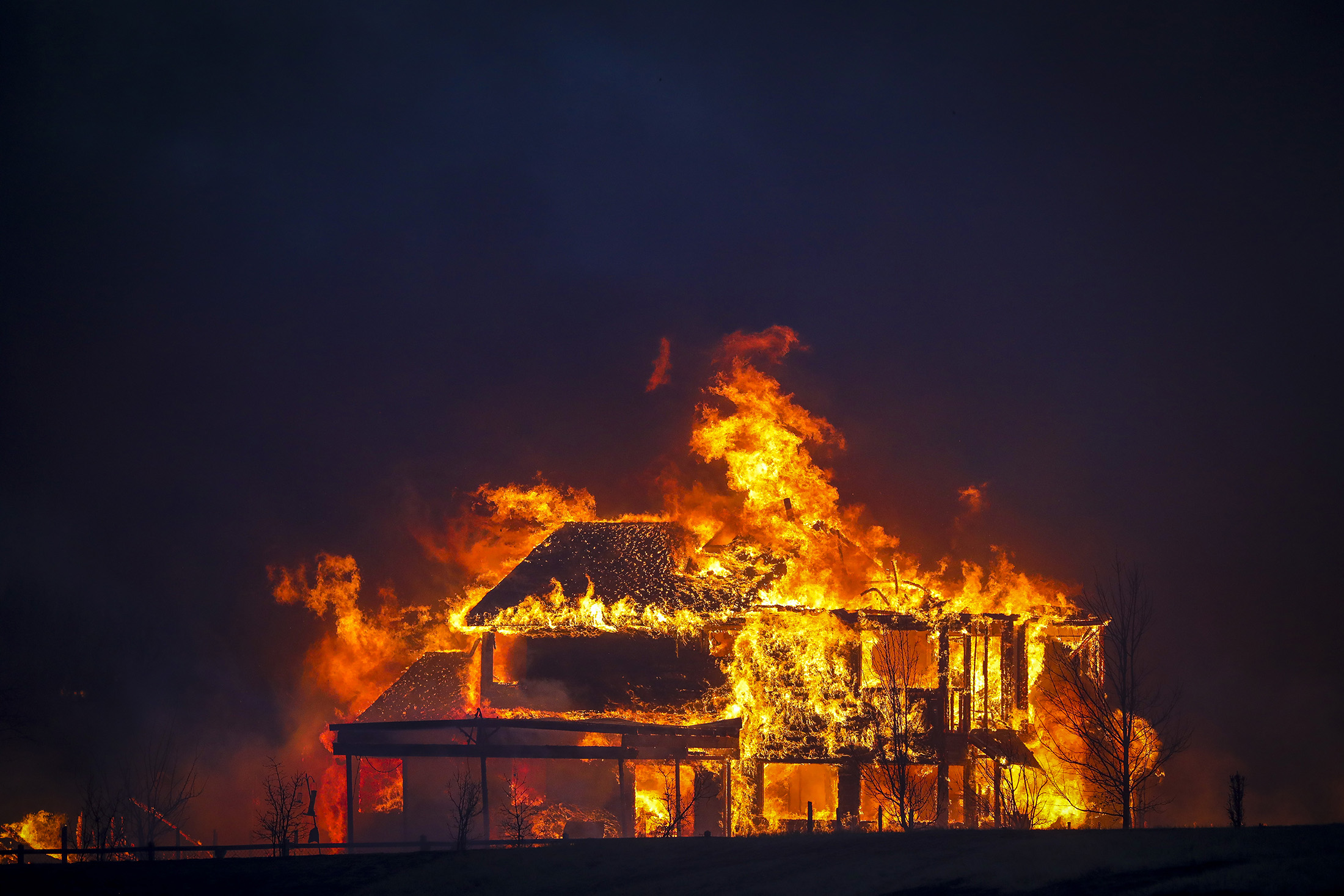
Core Insights - Many survivors of the Los Angeles wildfires are facing inadequate insurance payouts for rebuilding, highlighting a systemic issue of underinsurance in American homes since the 1990s [1][4] - Climate change is exacerbating the problem of underinsurance, as it leads to more frequent and severe wildfires, revealing the inadequacies of existing insurance policies [2][3] Insurance Coverage Issues - A significant number of homeowners are underinsured, with studies indicating that two-thirds of American homeowners lack sufficient coverage for wildfires, typically by about 20% to 60% [5][6] - The shift from guaranteed replacement cost coverage to replacement-cost-value coverage has left many homeowners vulnerable, as the latter sets an upper limit on payouts [7][8] Rising Costs and Market Dynamics - Rising construction costs and natural disasters have made it challenging for insurers to align dwelling coverage with actual replacement costs, particularly after catastrophic events [6][8] - The use of third-party estimator tools by insurers has been criticized for often underestimating rebuilding costs, which helps keep premiums low but may leave homeowners inadequately covered [8][10] Legislative and Regulatory Responses - Advocacy groups are pushing for reforms, including the introduction of guaranteed replacement cost policies, to ensure homeowners are fully covered for rebuilding after disasters [11][12] - Some state regulators express concerns that mandating guaranteed replacement cost coverage could destabilize the insurance market and exacerbate affordability issues [13][14] Economic Factors Influencing Insurance - Home insurance prices are rising due to inflation, increased development, and climate change-related disasters, leading homeowners to either reduce coverage or accept higher deductibles [14][15] - There are suggestions for insurers to provide credits for homeowners who take steps to mitigate wildfire risks as a way to help reduce insurance costs [15]

UK SMEs overlook underinsurance risk, despite major protection gaps
Yahoo Finance· 2025-11-13 16:27
Core Insights - The primary concern for UK SMEs is not underinsurance, as only 14.5% express being very concerned about it, ranking it lowest among 23 assessed risks [2][3] - The most pressing issues for SMEs include the cost-of-living crisis (31.3%), revenue generation (27%), and political changes (25.7%) [2][3] - A significant 74% of SMEs globally are underinsured, indicating a disconnect between perceived risks and actual coverage needs [4] Group 1: Underinsurance Concerns - Only 14.5% of UK SMEs are very concerned about being underinsured, making it the least concerning issue [2] - Hiscox's report indicates that 74% of SMEs worldwide remain underinsured, with 55% lacking essential coverage types [4] - A large portion of SMEs lacks understanding of key insurance types, with 77% unable to describe cyber insurance and 80% for professional indemnity [4] Group 2: Operational Focus - UK SMEs are primarily focused on immediate operational challenges, which leads to deprioritization of long-term financial risks like underinsurance [3] - The lack of concern for underinsurance may stem from unfamiliarity with comprehensive protection and evolving risks [5] - Many SMEs have not reviewed their insurance policies in over three years, indicating a gap in awareness and understanding [4] Group 3: Opportunities for Insurers - There is a clear opportunity for insurers and brokers to provide targeted solutions to address the underinsurance issue [5] - Proactive coverage reviews and simplified product explanations can help SMEs identify and understand their coverage gaps [5] - Enhancing education and transparency around insurance options is essential for reducing the protection gap and safeguarding SMEs [5]
Verisk Launches New Underwriting Solution to More Quickly Assess Rebuild Valuefor Commercial Properties in the U.K.
Globenewswire· 2025-10-15 07:15
Core Insights - Verisk has launched Commercial Rebuild, an underwriting solution aimed at providing U.K. commercial property insurance specialists with a customizable model for accurately assessing the rebuild value of small- to mid-market commercial buildings [1][6] Industry Context - The launch comes at a critical time as underinsurance is a significant concern, with a report indicating that nearly 46% of commercial properties in the U.K. are estimated to be underinsured [2] Product Features - Commercial Rebuild allows for remote estimation of reinstatement costs without the need for site visits, using just an address to calculate costs for various commercial premises [3] - The solution combines a tailored surveyor model with high-quality data and technology to help insurers, brokers, and MGAs calculate reinstatement costs more efficiently [4][6] - Key features include minimal input requirements, access via real-time API or web-based portal, and a regularly updated detailed rebuild cost model to align with changing material and labor costs [7] Operational Benefits - The system aims to provide high-quality estimates that align with building industry valuations, making it more economical for insurers to cover small- to mid-market commercial properties [6] - By leveraging comprehensive property datasets and technology, the solution enhances customer satisfaction and simplifies workflows for insurers, MGAs, and brokers [6][8]

California's Insurance Gap: What Homeowners Need to Know
Prnewswire· 2025-05-29 16:00
Core Insights - A significant number of California homeowners are underinsured, risking insufficient funds to rebuild their homes after disasters [2][3] - The issue of underinsurance is exacerbated by rising construction costs, increased wildfire risks, and market adjustments in the insurance sector [4][5][7] Underinsurance Statistics - Approximately 806,600 residences in California are completely uninsured, representing 10.5% of all homeowners [3] - The use of the California FAIR Plan, a basic fire insurance option, has increased by 300% since 2018, now covering 4% of the state's homeowners [6] Factors Contributing to Underinsurance - Rising insurance costs in wildfire-prone areas are leading homeowners to underinsure or let their coverage lapse to reduce premiums [5] - Increased frequency and severity of wildfires are making it more challenging and expensive to insure homes [7] - Regulatory constraints from Proposition 103 complicate insurers' ability to adjust rates in response to evolving risks [8] Policy Considerations - Understanding the difference between actual cash value and replacement cost policies is essential for homeowners to ensure adequate coverage [9] Recommendations for Homeowners - Homeowners can reduce wildfire risk through property mitigation strategies, which may lower insurance costs and qualify them for discounts [10] - The state is implementing changes to improve insurance availability and affordability in high-risk areas, as seen in the Sustainable Insurance Strategy introduced by the Insurance Commissioner [11]