
Apparel

Search documents
Levi Strauss raises prices, helping to boost profit and outlook
CNBC· 2025-10-09 20:26
Core Insights - Levi Strauss's profits exceeded Wall Street expectations due to targeted price increases and a shift away from wholesalers [1][4] - The company reported a gross margin increase of 1.1 percentage points to 61.7%, surpassing analyst expectations [2][8] - Levi's raised its full-year sales outlook to a 3% increase, up from a previous guidance of 1% to 2% growth [7] Financial Performance - Net income for the quarter ending August 31 was $218 million, or 55 cents per share, compared to $20.7 million, or 5 cents per share, a year earlier [6] - Sales rose to $1.54 billion, a 7% increase from $1.44 billion in the previous year [6][10] - Adjusted earnings per share were 34 cents, exceeding the expected 31 cents [10] Strategic Initiatives - The company is focusing on direct-to-consumer sales, which grew 11% during the quarter, and expanding its product range beyond jeans [11][12] - Women's clothing sales increased by 9%, contributing to the overall growth [12][13] - Non-denim items now account for nearly 40% of the business, indicating a successful diversification strategy [13] Market Outlook - Levi's expects its operating margin to be between 11.4% and 11.6%, aligning with market expectations [8] - The company anticipates a gross margin increase of 1 percentage point, returning to its original outlook before factoring in tariffs [9][8] - The outlook remains contingent on the stability of U.S. tariffs on imports from China and other duties [9]

VFC LAWSUIT ALERT: Levi & Korsinsky Notifies V.F. Corporation Investors of a Class Action Lawsuit and Upcoming Deadline
Globenewswire· 2025-10-09 20:22
Core Viewpoint - V.F. Corporation is facing a class action securities lawsuit due to alleged securities fraud that negatively impacted investors between October 30, 2023, and May 20, 2025 [1][2]. Group 1: Lawsuit Details - The lawsuit claims that V.F. Corporation made materially false and misleading statements regarding its turnaround plans, particularly concerning the Vans brand, which required significant reset actions to return to growth [2]. - Following the release of V.F. Corporation's fiscal 2025 results on May 21, 2025, it was revealed that Vans' revenue growth trajectory had significantly declined, with losses increasing from 8% to 20% in the fourth quarter [2]. - The company's results were attributed to deliberate actions taken to eliminate unprofitable businesses, which were previously unannounced, and even without these actions, Vans would have shown a high single-digit revenue decline [2]. Group 2: Stock Price Impact - On May 21, 2025, following the disclosure of the negative financial results, V.F. Corporation's stock price dropped from $14.43 to $12.15 per share, marking a decline of approximately 15.8% in one day [2]. Group 3: Next Steps for Investors - Investors who suffered losses during the relevant period have until November 12, 2025, to request to be appointed as lead plaintiff in the lawsuit, although participation does not require serving in this role [3]. - Class members may be entitled to compensation without any out-of-pocket costs or fees [3]. Group 4: Firm Background - Levi & Korsinsky, LLP has a strong track record in securities litigation, having secured hundreds of millions of dollars for shareholders over the past 20 years and consistently ranking among the top securities litigation firms in the United States [4].


Levi Strauss lifts annual sales, profit forecasts on resilient denim demand
Reuters· 2025-10-09 20:16
Core Viewpoint - Levi Strauss has raised its full-year sales and profit forecasts, driven by strong demand for wide-leg denim bottoms in Europe and the Americas despite the impact of higher tariffs [1] Group 1: Sales and Profit Forecasts - The company has increased its full-year sales forecast, indicating positive market conditions and consumer demand [1] - Profit forecasts have also been raised, reflecting confidence in the company's financial performance for the year [1] Group 2: Market Demand - There is a notable strong demand for wide-leg denim bottoms, particularly in the European and American markets [1] - The demand persists despite the challenges posed by higher tariffs, showcasing the resilience of the product category [1]

Vince Holding (NYSE:VNCE) Conference Transcript
2025-10-09 18:32
Summary of Vince Conference Call Company Overview - **Company**: Vince - **Industry**: Contemporary luxury apparel market - **Key Executives Present**: Brendan Hoffman (CEO), Yuji Okumura (CFO), Akiko Okumura (Chief Administrative Officer) [1][2] Core Industry Insights - The fashion industry is described as ever-changing, with Vince positioned as a preeminent player in the contemporary luxury apparel market, known for "quiet luxury" and upscale essentials [2][3] - Vince's competitive landscape includes brands like Rag & Bone, Theory, and Veronica Beard, with a dual-gender product offering [2] Business Strategy and Financial Performance - Vince has embarked on a strategy to improve fundamentals through reduced discounting and increased operational efficiencies, resulting in a significant improvement in cash flow [4][6] - The company faced challenges due to increased tariffs, particularly a 158% tariff on Chinese imports, which initially paralyzed operations but led to a diversification of the sourcing base [6][7][12] - As of 2025, Vince aims to reduce its reliance on China from over 60% to approximately 25%, diversifying sourcing across Asia, South America, and Europe [13][14] Transformation and Cost Management - Vince achieved $10 million in cost savings through a transformation program focused on lowering product costs and optimizing logistics [11] - The company is strategically passing on some price increases to consumers while maintaining its value proposition compared to peer brands [15][16] Marketing and Growth Initiatives - Vince plans to invest in marketing and technology, including dropship capabilities, to enhance brand awareness and reduce inventory risks [19][20] - The company is cautiously optimistic about the upcoming holiday season, with new product offerings and a focus on maintaining customer engagement [22][25] Customer Insights and Market Position - Department store customers are described as "cautiously optimistic," with strong sales performance noted in both men's and women's categories [28] - Vince has expanded its presence in major department stores, enhancing brand visibility and customer experience [28] Future Growth Opportunities - Vince is exploring domestic and international expansion, with recent store openings in Nashville and Sacramento, and plans for further international growth [32][34] - The company is not actively seeking acquisitions but is open to leveraging its platform for licensing opportunities with Authentic Brands Group [34][35] Financial Health and Capital Allocation - Vince has significantly improved its balance sheet, reducing long-term debt from over $120 million to approximately $31 million [40][41] - The company is currently focused on internal growth and does not have immediate plans for dividends or stock buybacks [43] Conclusion - The management expresses confidence in Vince's growth trajectory and encourages investors to consider the stock as a viable investment opportunity despite recent price increases [46]

Levi Strauss & Co. (NYSE:LEVI) Stock Analysis: A Closer Look at the Iconic Denim Brand's Financial Outlook
Financial Modeling Prep· 2025-10-09 15:00
Core Viewpoint - Levi Strauss & Co. is experiencing a gradual increase in its stock target price, reflecting a modest positive sentiment among analysts as they anticipate the upcoming third-quarter earnings report [2][3][6] Company Overview - Levi Strauss & Co. is a globally recognized apparel company known for its denim products, operating under brands such as Levi's, Dockers, and Denizen [1] - The company utilizes various channels, including third-party retailers, e-commerce, and its own stores, to maintain a strong retail presence worldwide [1] Stock Performance and Analyst Sentiment - The average target price for Levi's stock has risen from $25.40 to $26.67 over the past year, indicating growing confidence in the company's performance [3][6] - Recent adjustments in forecasts by Wall Street analysts, including a target price of $26 set by Jim Duffy from Stifel Nicolaus, suggest a positive outlook [2] Upcoming Earnings Report - Levi Strauss & Co. is scheduled to announce its third-quarter earnings results on October 9, 2025, with analysts predicting adjusted earnings of 31 cents per share and revenue of $1.5 billion [4] - This forecast indicates a 6% decline in earnings compared to the previous year and a 1% decrease in sales from last year's $1.52 billion [4] Market Influences - The apparel industry is influenced by changing consumer preferences and economic conditions, which can significantly impact Levi Strauss & Co.'s stock performance and target prices [5][6] - Investors and analysts are closely monitoring the upcoming earnings report, as it may affect target prices and overall investor sentiment [5]
Closed Saved: Marc O’Polo Owners Acquire German Brand After Insolvency
Yahoo Finance· 2025-10-09 15:00
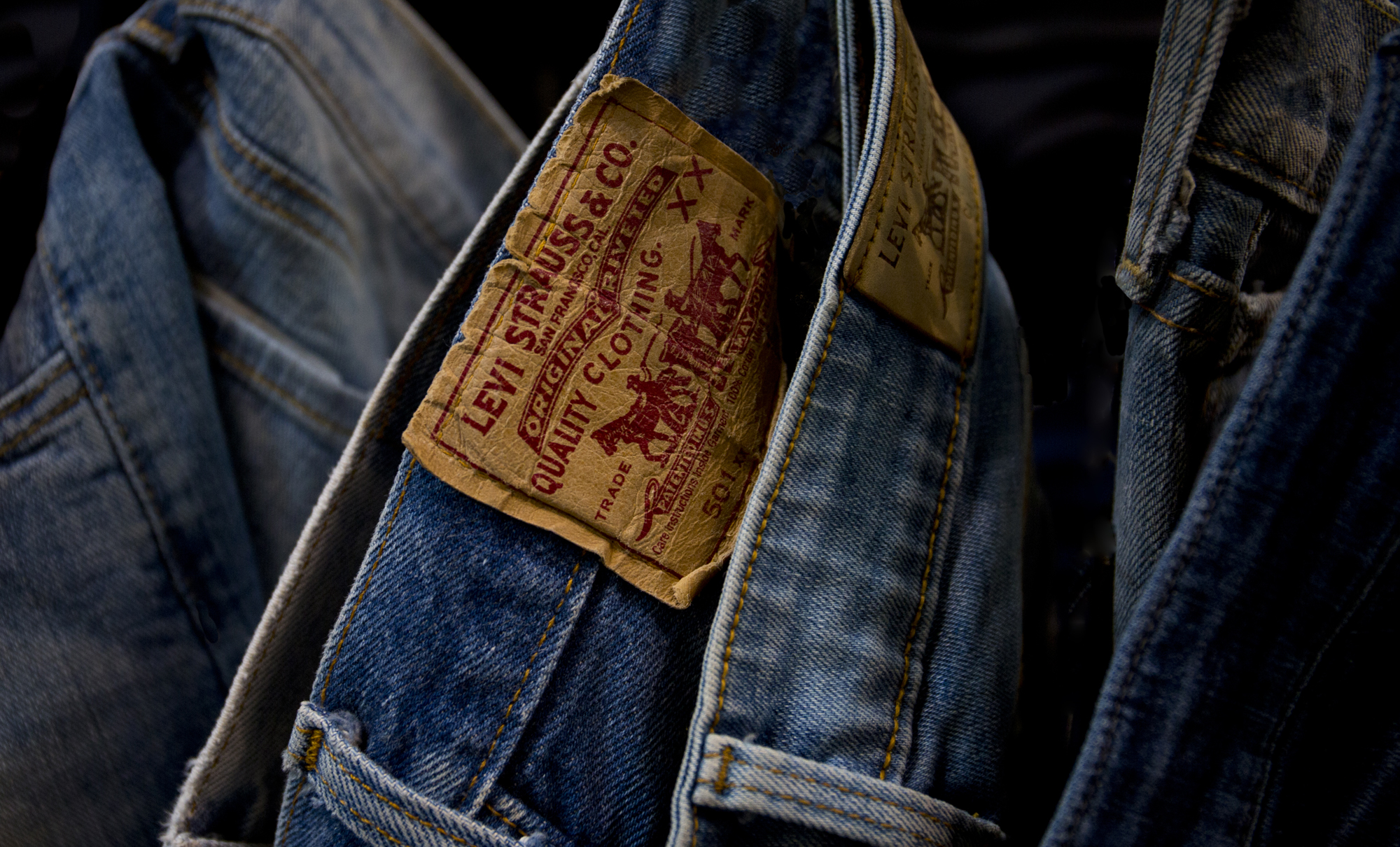
Closed is in the clear. After filing bankruptcy proceedings in August, the German denim brand’s two-month investor process has come to an end. Fashion executives Dieter Holzer and the Böck family—sole shareholder of contemporary lifestyle label Marc O’Polo—are the new owners of Closed. More from Sourcing Journal “The investor consortium of the Böck and Holzer entrepreneurial families has presented a convincing offer and business concept,” said Stefan Denkhaus, the insolvency administrator. “We have found ...
Calvin Klein parent company names chief supply chain officer
Retail Dive· 2025-10-09 13:27
Core Insights - PVH Corp. has appointed Patricia Gabriel as the new chief supply chain officer and global head of operations, effective in Q4 [1][2] - Gabriel emphasizes the importance of operational excellence and supply chain optimization as competitive advantages for growth and innovation [2] - She brings over 25 years of experience in supply chain management from her previous roles at Capri Holdings, Mondelez International, and AB InBev [3] Company Overview - PVH Corp. is the parent company of renowned apparel brands Calvin Klein and Tommy Hilfiger [1] - The company is currently in a growth phase, with a focus on enhancing its supply chain and operational capabilities [2] Leadership Transition - Patricia Gabriel will succeed David Savman, who has served as chief supply chain officer since 2022 and will now concentrate on his role as global brand president for Calvin Klein [4]

How To Earn $500 A Month From Levi Strauss Stock Ahead Of Q3 Earnings
Benzinga· 2025-10-09 12:14
Core Insights - Levi Strauss & Co. is set to release its third-quarter earnings results on October 9, with analysts predicting earnings of 31 cents per share, a decrease from 33 cents per share in the same period last year [1] - The company anticipates quarterly revenue of $1.50 billion, slightly down from $1.52 billion a year earlier [1] Dividend Information - Levi Strauss has appointed Chris Callieri as the new senior vice president and chief supply chain officer [2] - The company currently offers an annual dividend yield of 2.27%, translating to a quarterly dividend of 14 cents per share, or 56 cents annually [2] - To generate $500 monthly or $6,000 annually from dividends, an investment of approximately $264,207 or around 10,714 shares is required [2] - For a more modest income of $100 per month or $1,200 annually, an investment of $52,846 or around 2,143 shares is needed [2] Dividend Yield Calculation - The dividend yield is calculated by dividing the annual dividend payment by the stock's current price [3] - For instance, if a stock pays an annual dividend of $2 and is priced at $50, the yield is 4% [3] - Changes in stock price affect the yield; if the price increases, the yield decreases, and vice versa [3][4] Stock Performance - Shares of Levi Strauss rose by 0.8%, closing at $24.66 on Wednesday [4]

Vera Bradley and Anthropologie Unveil Limited-Edition Holiday Line
Globenewswire· 2025-10-09 12:00
Core Insights - Vera Bradley, Inc. has launched a holiday collection in collaboration with Anthropologie, featuring a blend of craftsmanship and whimsical design [1][3] - The limited-edition collection includes 39 products, available in 80 Anthropologie stores and online, with price points ranging from $20 to $225 [3][4] Company Overview - Vera Bradley, Inc. is a leading lifestyle company known for its colorful and thoughtfully designed products that support self-expression [5][6] - Founded in 1982, the brand has a strong commitment to community and charitable giving, resonating with a multi-generational customer base [7] Collaboration Details - The collection features new holiday-inspired patterns and includes items such as cosmetic cases, travel pouches, and duffels [3] - Both companies emphasize creativity and craftsmanship in their partnership, aiming to create products that inspire joy and connection [3][8]


Italy prosecutor to probe Tod’s on alleged supply chain issues
Yahoo Finance· 2025-10-09 11:58
Core Insights - Tod's is facing allegations of facilitating labor exploitation through inadequate oversight of subcontractors, linking luxury brands to unethical practices in Chinese workshops [1] - Italy's industry minister is considering a certification scheme to address supply chain issues in the luxury sector, following incidents of worker exploitation involving brands like LVMH's Loro Piana [2][3] - The reputation of 'Made in Italy' is being tarnished by unlawful practices in the fashion supply chain, prompting legal scrutiny of companies like Tod's [3] Group 1 - Tod's has been accused of failing to control subcontractors, leading to exploitation issues [1] - Police inspections revealed a connection between luxury brands and cost-cutting practices that violate labor laws [1] - The Italian government is taking steps to improve oversight in the luxury fashion industry to prevent further exploitation [2][3] Group 2 - The introduction of a certification scheme is being considered to enhance accountability in the luxury supply chain [2] - Loro Piana is the fifth luxury brand to face court administration in Italy due to similar allegations, indicating a growing trend of legal actions in the sector [2] - The image of 'Made in Italy' is at risk due to the actions of a few unlawful businesses within the fashion supply chain [3]