Residential Real Estate

Search documents
工作10年的售楼员透露:一栋楼中有4个楼层很难卖出去,聪明的人都会轻易避开
Sou Hu Cai Jing· 2025-12-03 08:52
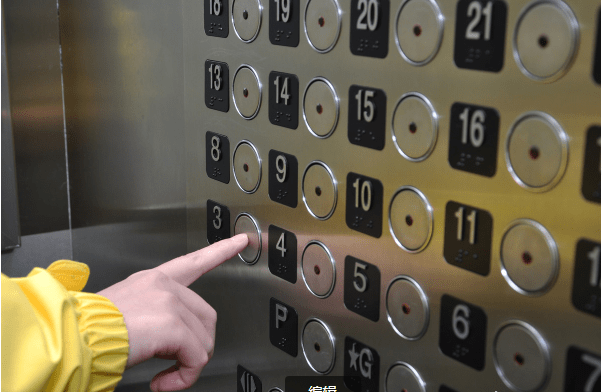
二楼虽然比一楼高一点,但问题也不少。二楼的采光虽然比一楼好一些,但还是有限制,特别是如果对面有树木或者建筑物的话。二楼最大的问题是噪 音。楼下的各种声音都能传上来,汽车喇叭声、垃圾车的声音、甚至是业主在楼下聊天的声音,都能清晰地听到。这对睡眠质量是一种长期的侵扰。 我表哥在房产销售行业干了快11年,平时我们聊天的时候他经常吐槽一些买房的事儿。有一次他说了一句话让我印象特别深,他说一栋楼里总有那么几 个楼层特别难卖,有时候即使价格便宜也没人要。我当时就问他,到底是哪几层这么"倒霉"。他笑了笑,说如果聪明的购房者知道这些门道,绝对会直 接避开。这让我很好奇,也让我觉得必须把这个事儿扒一扒,因为这关系到很多人的购房决策。 买房子对大多数普通人来说都是一辈子最大的消费。选对了楼层能舒服住一辈子,选错了可能要后悔30年。但是我们很多人在买房的时候,其实没有系 统地思考过楼层选择这个问题。很多人就是看房的时候顺便看看,觉得合适就买了。殊不知楼层里面的学问大着呢。 我们先讲讲那些特别难卖的楼层是什么。根据我表哥这些年的从业经验,一栋楼里最难卖的基本上就是这几个楼层。首先是一楼和二楼。这个大家可能 有点惊讶,因为一楼多便宜啊 ...

4楼、14楼、18楼、24楼不能买?其实,这4个楼层才要谨慎购买
Sou Hu Cai Jing· 2025-12-02 20:51
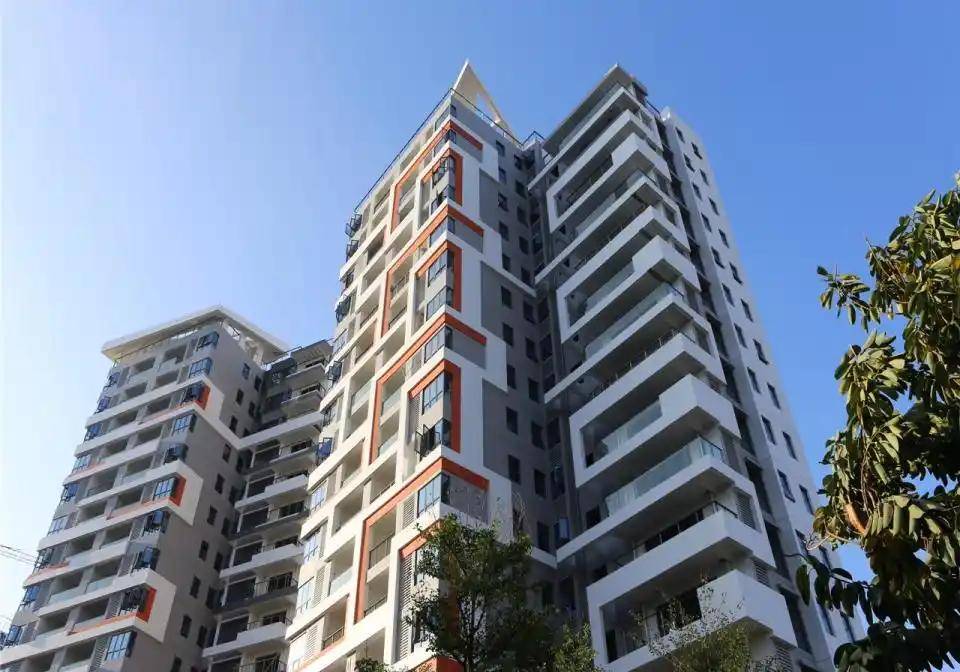
Core Viewpoint - The article emphasizes the importance of carefully selecting floors when purchasing a home, highlighting that practical living experiences should take precedence over superstitions related to floor numbers [1]. Group 1: Ground Floor - The ground floor offers convenience for residents, especially the elderly, and often comes with a small garden, making it appealing [3] - However, it suffers from significant drawbacks such as poor lighting, ventilation issues, lack of privacy, and humidity problems that can affect health [3] - Additional security measures are often required for ground floor residents, increasing living costs [3] Group 2: Top Floor - The top floor is generally quieter, offers better privacy, and has good lighting and ventilation, making it attractive for buyers [3] - Nonetheless, it faces issues like water leakage during rainy seasons, leading to mold and frequent repairs [3] - The insulation on the top floor is often inadequate, resulting in uncomfortable temperatures throughout the year [3] Group 3: Waistline Floor - The waistline floor can obstruct light for residents below, leading to insufficient indoor lighting [4] - Residents above the waistline floor may deal with debris from high-altitude littering, requiring regular maintenance [4] - Accumulation of water during rain or snow can lead to wall seepage, affecting interior conditions [4] Group 4: Second Floor - Residents on the second floor may experience issues with sewage backflow, particularly in summer, which can create unpleasant odors [7] - The presence of surrounding greenery can also hinder natural light, complicating tasks like drying clothes [7] - Similar to the ground floor, the second floor faces security concerns, mosquito issues, and noise disturbances [7]

X @Forbes
Forbes· 2025-12-02 19:49
2026 Residential Real Estate Outlook: 5 Key Trends To WatchReal estate site and platform Zillow recently announced its six hottest home trends to watch in 2026. Five of them enhance functionality, safety or health, continuing a pattern of homebuyers linking where they live to their wellbeing since the pandemic. https://t.co/ejYjlSwHLE ...
上海二手房,11月份成交量的一些感触!
Sou Hu Cai Jing· 2025-12-02 17:07
Core Viewpoint - The Shanghai real estate market is showing signs of healthy activity despite a downward trend in housing prices, with a notable transaction volume of 22,943 second-hand homes in November 2025, indicating strong demand from genuine buyers rather than investors [1][3]. Group 1: Market Activity - In November 2025, Shanghai's second-hand housing transaction volume reached 22,943 units, reflecting a robust market despite declining prices [1]. - The current market dynamics suggest that many buyers are purchasing homes based on actual needs rather than speculative investment, which is a shift from previous trends where buyers focused on price appreciation [3][4]. Group 2: Buyer Behavior - The prevailing sentiment among buyers is that they are not primarily investors; instead, they are looking for homes that fit their budget and personal requirements [4]. - The concept of "demand" in the housing market is validated by the continued transaction volume, indicating that genuine housing needs persist even in a declining price environment [3][4]. Group 3: Market Sentiment - The narrative around the housing market has shifted from one of speculation to one of necessity, with buyers less concerned about price fluctuations and more focused on finding suitable homes [4]. - The market is characterized by a balance of price increases and decreases, which is considered normal in the real estate sector [4].

X @The Wall Street Journal
The Wall Street Journal· 2025-12-02 17:05
Real Estate Market Trend - A home on Georgia's Sea Island sold for $30 million, setting a state record [1] Architectural Significance - The property is described as architecturally significant [1]
Shopoff Realty Investments Secures $17.815 Million Refinance for Cierra Apartments in Whittier, CA
Prnewswire· 2025-12-02 16:00
Core Insights - Shopoff Realty Investments has secured $17.815 million in senior mortgage financing for its Cierra Apartments project in Whittier, California, which consists of 60 multifamily units [1][4] - The project was developed from a former industrial site acquired in 2017, with city approval obtained in 2018, and was completed and stabilized in 2023, achieving full lease-up within its first year [2][3] Company Overview - Shopoff Realty Investments is based in Irvine, California, and has a 33-year history of value-add and opportunistic real estate investments across the United States [5] - The firm focuses on generating appreciation through repositioning commercial properties, land entitlement, and development projects [5] Project Details - Cierra Apartments features upscale amenities such as a clubhouse, fitness center, pool, and spa, and is currently 91% leased [3] - The property is strategically located with access to major employment centers and transportation corridors in Southeast Los Angeles [3]


南部:3年了!购房补贴何时发放?
Sou Hu Cai Jing· 2025-12-02 11:36
Core Viewpoint - The article discusses a complaint from a homeowner regarding the delayed issuance of a housing subsidy in Nanbu County, highlighting issues related to government responsiveness and the bureaucratic process involved in subsidy distribution [1] Group 1: Homeowner's Complaint - A homeowner purchased a new house in Nanbu County in 2023 and was promised a subsidy of 10,000 yuan, but has not received any updates on the subsidy despite submitting required documents [1] - The homeowner expresses frustration over the lack of communication and transparency from the authorities, questioning whether they are being deceived [1] Group 2: Government Response - The Nanbu County Housing Management Bureau acknowledges the complaint and states that they are investigating the issue, emphasizing the importance of the matter [1] - The Bureau explains that the delay is due to the large volume of subsidy applications that require thorough verification, and they request the homeowner's patience during this process [1] - The Bureau apologizes for the inconvenience caused and assures the homeowner that they are working on resolving the issue [1]
矿业专家:中国房地产-下行周期再续两年-Mining Expert Calls #3 China Property_ Another Two Years of Downcycle
2025-12-01 01:29
Summary of Key Points from the Conference Call on China Property Market Industry Overview - The conference call focused on the **China property market**, with insights provided by UBS's John Lam and the China property team Core Insights and Arguments - **Market Outlook**: The property market outlook has become more cautious, with expectations that housing price expectations have fundamentally shifted towards renting over purchasing. After a brief stabilization in Q1 2025, physical demand and prices have weakened since the second half of 2025. The market is now expected to reach its lowest point in mid-2027, with inventories normalizing [1][2] - **Sales Forecast**: China residential property sales are projected to decline by **10% year-on-year in 2026** and an additional **5% in 2027**. Secondary property prices in Tier 1 and Tier 2 cities are also expected to drop by **10% in 2026** and another **5% in 2027** [1][2] - **Commodity Demand**: Demand for commodities from the China property segment is expected to remain depressed in 2026 and 2027, with a gradual recovery anticipated in 2028 and 2029 [2] - **Policy Measures**: Potential measures to stabilize property prices include suspending social housing supply and cutting interest rates by over **100 basis points**. However, both actions are deemed unlikely due to their potential negative impact on banks' net interest margins [2][6] - **Default Risks**: There is a rising risk of mortgage or property-backed loan defaults, which could lead to increased foreclosure sales by banks, further driving down property prices [2][5] Additional Important Insights - **Secondary Market Dynamics**: The secondary sales and rental market is expected to increase its share from approximately **50% in 2025** to **60% by the end of the decade**. High vacancy rates are projected to stabilize at **18.8%**, equating to about **7 years of new home sales** [5][9] - **Rental Market Trends**: Despite higher rental demand, rental prices are declining due to the supply of social rental housing and the shift of secondary sale listings to rentals. Rental yields continue to lag behind average mortgage rates by approximately **130 basis points** [5][11] - **Inventory Levels**: Total national inventories are expected to decrease from **30 months** to around **25 months** by mid-2027, with a potential acceleration in new starts in 2028 and 2029 as the current gap between new starts and sales is unsustainable [5][14][18] - **Long-term Housing Demand**: The long-term housing demand is estimated at approximately **840 million square meters per year**, with around **720 million square meters** to be supplied by the primary market [5][18] Conclusion - The China property market is facing significant challenges, with declining sales, falling prices, and increasing risks of defaults. The outlook suggests a prolonged downcycle, with potential recovery only expected in the later part of the decade. Investors should remain cautious and consider the implications of these trends on the broader market and commodity demand [1][2][5][6]
为何内行人只买路边的房子?三个优点很吃香,谁住谁知道
Sou Hu Cai Jing· 2025-11-30 21:51
高房价时代,对于普通百姓而言,拥有一套属于自己的房子已成为一种沉重的负担。数据显示,三四线城市房价与收入之比普遍高达15到20,二线城市更 是达到20到25,而一线城市则令人咋舌,超过了30到35。这意味着,许多家庭不得不倾尽所有积蓄,并背负上沉重的银行贷款,才能勉强实现安居的梦 想。 正因如此,购房者在选择房产时,往往格外谨慎,对房型、地段、小区环境、楼层等因素都精挑细选,毕竟这关系到未来几十年居住的舒适度。然而,在 购房者群体中,却存在着一些"内行人",他们反其道而行之,偏爱临街的房子,而对小区内部的房产敬而远之。这其中究竟隐藏着怎样的玄机呢? 首先,临街房产的出行优势不容忽视。通常,临街房产紧邻小区大门,为住户提供了极大的便利。试想一下,住在小区深处的居民,可能需要步行七八分 钟才能走出小区,尤其是在大型小区中,出行效率大打折扣。而临街住户则可轻松出入,享受快捷的出行体验。更何况,许多小区沿街都分布着各类商 铺,购物消费更是触手可及。 再者,价格优势是临街房产的一大亮点。由于一些购房者对临街房产存在偏见,导致其价格通常低于小区内部的房产。有时,相同面积的临街房产总价甚 至能便宜几万元,这对于预算有限的工 ...
购房选楼层为何买单不买双?听内行人一席话恍然大悟!
Sou Hu Cai Jing· 2025-11-30 16:34
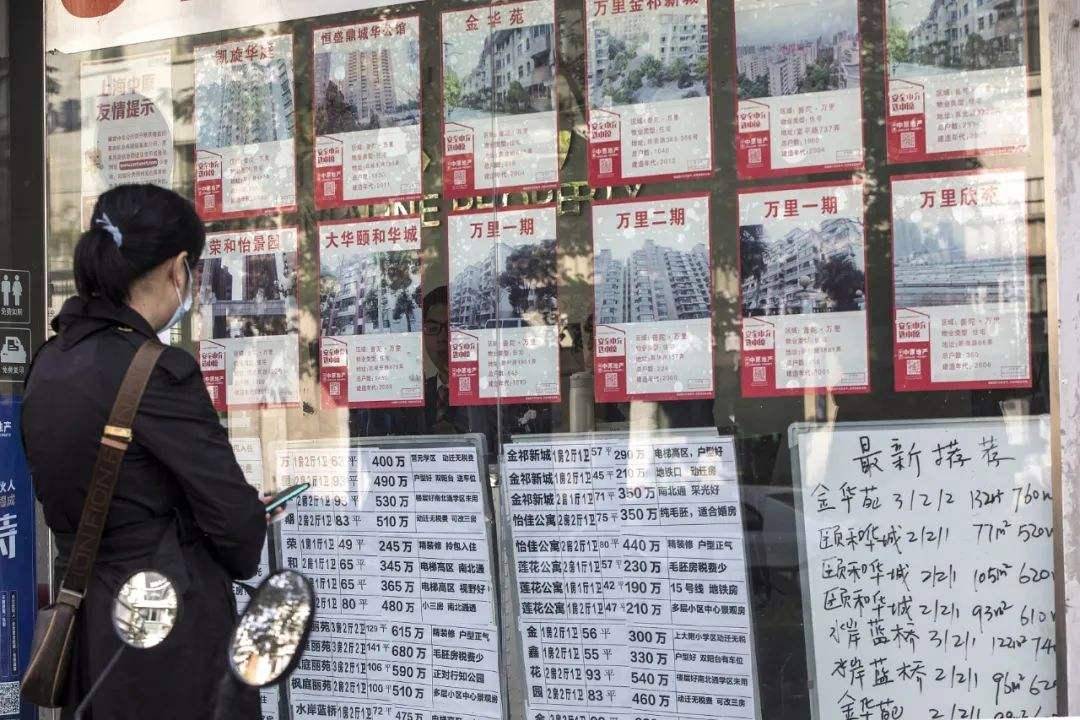
Core Viewpoint - The choice of floor in real estate is crucial, with various factors influencing the decision beyond mere superstition regarding odd and even numbers [3][5]. Group 1: Floor Selection Considerations - Top floors are often avoided due to concerns about heat insulation and waterproofing, which can lead to discomfort and difficulties in resale [3]. - Low floors face issues such as insufficient lighting, poor ventilation, and increased pest presence, particularly during humid seasons [3]. - The "equipment floor" has gained attention, as it can generate noise and radiation, affecting the living experience [5]. Group 2: Superstitions and Practicality - The saying "buy odd, not even" is rooted in feng shui beliefs, suggesting that odd-numbered floors are more auspicious, although this lacks scientific backing [5]. - Most buyers prioritize practical factors like lighting, noise, and ventilation over superstitions when selecting a floor [5][8]. Group 3: Lighting and Comfort - Adequate lighting is essential for comfort, with national standards for building design, yet many floors fail to meet these requirements [6]. - Observing lighting conditions during the day, especially in winter, is recommended for potential buyers [6]. - For new properties, design specifications such as width and depth can indicate potential lighting quality, with taller buildings generally requiring higher floors for better light [6].