Fintech

Search documents
Sea Limited Shares Tumble 23% After Earnings Miss Despite Strong Revenue Growth
Financial Modeling Prep· 2026-03-03 20:04
Core Insights - Sea Limited's shares fell over 23% intra-day after reporting fourth-quarter earnings that missed analyst expectations despite revenue exceeding forecasts [1] - Adjusted earnings per share were $0.63, below the consensus estimate of $0.80, while revenue reached $6.9 billion, surpassing the forecast of $6.49 billion and representing a 38.4% year-over-year increase from $5.0 billion [1][2] Financial Performance - Net income increased by 72.9% year over year to $410.9 million, and adjusted EBITDA rose 33.2% to $787.1 million, but the earnings miss triggered a significant selloff [2] - For fiscal 2026, Sea projects Shopee's gross merchandise value growth at approximately 25% year over year, with full-year adjusted EBITDA expected to be no lower than 2025 levels in absolute dollar terms [2] Segment Performance - Shopee's revenue grew 35.8% year over year to $4.3 billion, driven by GMV growth of 28.6% to $36.7 billion, with gross orders increasing by 30.5% to 4.0 billion [3] - Adjusted EBITDA for Shopee reached $202.5 million, up 33.0% year over year [3] - The fintech segment, Monee, reported revenue of $1.1 billion, a 54.3% year-over-year increase, with adjusted EBITDA rising 24.7% to $263.1 million [3] - Garena gaming revenue increased by 35.1% to $701.0 million, while adjusted EBITDA climbed 25.6% to $363.8 million [3] Annual Overview - For the full year 2025, Sea generated revenue of $22.9 billion, reflecting a 36.4% year-over-year increase, with net income rising to $1.6 billion compared to $447.8 million in 2024 [4]


Yaspa Index reveals Pay by Bank wake-up call
Yahoo Finance· 2026-03-03 19:23
Core Insights - Open banking is gaining traction in the UK, with millions of consumers utilizing account-to-account payments in their daily financial activities. However, the awareness of the term 'Pay by Bank' has seen a decline, indicating a need for improved clarity in the industry [1][2]. Group 1: Awareness and Familiarity - The Yaspa index aims to measure UK consumers' familiarity with the term 'Pay by Bank' and track changes over the past year, revealing a surprising drop in awareness [1][2]. - Last year, 55% of respondents reported familiarity with the term 'Pay by Bank', which was unexpectedly high, but recent findings indicate a significant decline in this awareness [6]. Group 2: Industry Insights - Kate Marsden, CMO at Yaspa, emphasizes the necessity for greater clarity and consistency in terminology across the open banking payment solutions industry [2]. - The industry is currently using various terms such as 'instant bank payments' and 'pay by a bank account', which may contribute to consumer confusion [5].
Gen Digital (NasdaqGS:GEN) 2026 Conference Transcript
2026-03-03 19:02
Summary of Gen Digital Conference Call Company Overview - **Company**: Gen Digital (NasdaqGS:GEN) - **Industry**: Cybersecurity and Financial Wellness Key Points Business Transformation and Acquisition - Gen Digital has transformed its Cyber Safety platform, expanding from 20 million to over 200 million active users and 500 million endpoints [4][5] - The acquisition of MoneyLion was driven by the need to enhance financial health services for consumers, integrating banking and credit monitoring into their offerings [5][6] Financial Health Focus - The company has identified financial health as a top consumer need, leading to the integration of banking services into their platform [5] - MoneyLion has been growing at a rate of 40%-50% since its acquisition, with a 15% increase in bank account connections among users [7] AI Integration and Market Evolution - Gen Digital views AI as a significant opportunity, enhancing consumer experience and software development speed [8][12] - The company is transitioning from a device-centric to a user-centric approach, aiming to simplify the digital experience for consumers [12] Marketplace Development - The MoneyLion business is diverse, with two main segments: Personal Finance Management (PFM) and a marketplace for financial tools, both growing at approximately 40% [16][20] - The marketplace allows for automated financial services, enhancing customer engagement and retention [26][27] Membership Model Transition - Gen Digital is moving towards a subscription-based model for MoneyLion, aiming to provide ongoing value to consumers rather than relying solely on transaction fees [29][30] - The company plans to gradually introduce membership options as consumer adoption increases [30] Economic Context and Consumer Support - In a K-shaped economy, Gen Digital provides solutions for both struggling consumers and those with assets to protect, addressing diverse financial needs [34][35] - The company offers PFM solutions to help consumers living paycheck to paycheck, while also catering to wealthier clients through its marketplace [35][41] Cross-Selling and Partnership Strategies - The company is focused on cross-selling between Cyber Safety and Trust-Based Solutions, with a goal of increasing adoption of financial wellness services among existing customers [49][50] - Partnerships, particularly in employee benefits and telecommunications, are key to expanding market reach and customer engagement [78][80] Financial Performance and Margins - Cyber Safety maintains robust margins over 60%, while Trust-Based Solutions operates at around 30% [54][58] - The company is committed to operational efficiency, aiming to reinvest savings into growth initiatives [56][58] M&A Strategy - Gen Digital is open to M&A opportunities that align with its consumer-focused strategy, emphasizing the importance of cultural fit and technological compatibility [66][68] - The company has a disciplined approach to capital allocation, balancing organic growth with potential acquisitions [71] Monitoring Progress - Investors are encouraged to monitor user growth, financial wellness adoption, and the integration of Trust-Based Solutions with Cyber Safety offerings as indicators of success [85][86] Additional Insights - The company is adapting to the evolving digital landscape, positioning itself as a trusted partner for consumers navigating financial and cybersecurity challenges [87][88]

Gen Digital (NasdaqGS:GEN) 2026 Conference Transcript
2026-03-03 19:00
Summary of Gen Digital Conference Call Company Overview - **Company**: Gen Digital (NasdaqGS:GEN) - **Industry**: Cybersecurity and Financial Wellness Key Points Business Transformation and Acquisition - Gen Digital has transformed its Cyber Safety platform from 20 million users to over 200 million active users and 500 million endpoints, enhancing consumer value through various entry points such as security, identity protection, and data privacy [4][5] - The acquisition of MoneyLion was driven by the need to address consumer demands for financial health protection, integrating banking and credit monitoring into their services [5][6] Financial Performance and Growth - MoneyLion has been growing at a rate of 40%-50%, with a 15% increase in bank account connections among users in the last quarter [7][8] - The PFM (Personal Finance Management) segment of MoneyLion is growing at 40%, contributing significantly to the overall business momentum [18][20] AI Integration and Market Position - Gen Digital views AI as a significant opportunity, enhancing software development speed and consumer engagement [8][12] - The company is transitioning from a device-centric to a user-centric approach, aiming to simplify the digital experience for consumers [12][14] Marketplace and Ecosystem Development - The marketplace model is seen as a powerful tool for expanding consumer offerings, allowing for personalized financial solutions without developing products in-house [26][28] - The integration of the marketplace into existing applications aims to enhance user engagement and retention [50][52] Economic Context and Consumer Needs - In a K-shaped economy, Gen Digital provides solutions for both struggling consumers and those with significant assets, addressing diverse financial needs [34][36] - The company is focused on helping consumers living paycheck to paycheck through accessible financial solutions [36][40] Cross-Selling and Monetization Strategies - Cross-selling between Cyber Safety and trust-based solutions is a key focus, with ongoing efforts to increase adoption and engagement [48][49] - The company is exploring membership models to transition from transaction-based to subscription-based revenue streams, aiming for gradual adoption by consumers [29][30] Financial Margins and Efficiency - Cyber Safety maintains a robust margin of over 60%, while trust-based solutions have a solid margin of 30% [54][57] - Gen Digital emphasizes operational efficiency and continuous improvement to fuel sustainable growth [56][58] M&A Strategy - The company is disciplined in its M&A approach, focusing on organic growth and consumer needs before considering acquisitions [60][65] - Gen Digital is open to M&A opportunities that align with its strategic goals, particularly in enhancing its product offerings [66][70] Partnership and Distribution Channels - Partnerships, especially in employee benefits and telecommunications, are crucial for expanding market reach and customer engagement [77][78] - The company aims to leverage its marketplace to enhance partnerships and provide modular offerings to consumers [80][82] Monitoring Progress - Investors are encouraged to monitor customer growth, financial wellness metrics, and the adoption of trust-based solutions as indicators of success [84][85] - The company is positioned to capture opportunities in the evolving digital economy, focusing on building trust and understanding consumer needs [86][87]
Klarna and Stripe Prepare Flexible Payments for AI Agents
PYMNTS.com· 2026-03-03 18:15
Group 1 - Klarna's flexible payment options will soon be available for purchases initiated by AI agents at U.S. merchants that offer Klarna through Stripe [1][3] - Stripe's Shared Payment Tokens (SPTs) will enable AI agents to use a customer's preferred payment method to initiate purchases, integrating Klarna's options without additional merchant integration [2][3] - Klarna plans to develop more integrations to ensure its flexible payment options are available across various shopping platforms [4] Group 2 - Klarna has expanded its partnership with Google to support the Agent Payments Protocol (AP2) and launched the Agentic Product Protocol to enhance AI-driven payments [8] - Klarna's Chief Commercial Officer emphasized the importance of maintaining flexible payment options as AI agents begin purchasing on behalf of consumers [9] - Stripe's SPTs, introduced in October, allow AI agents to initiate payments securely and conveniently, enhancing the overall transaction experience [10]


Sit on This SOFA for a SoFi Rebound
Etftrends· 2026-03-03 17:43
Core Insights - SoFi Technologies (SOFI) has experienced a significant decline, losing nearly one-third of its value since the beginning of 2026 [1] Company Summary - The stock's downturn has left many of its supporters confused, especially given the company's previous popularity [1]


Sea Ltd.'s Q4 Earnings Miss Shadows Massive 38% Revenue Surge For Shopee, Garena
Benzinga· 2026-03-03 17:35
Core Insights - Sea Ltd reported a fiscal fourth-quarter 2025 revenue of $6.85 billion, a 38.4% year-on-year increase, surpassing analyst expectations of $6.45 billion, but earnings per share of 63 cents fell short of the consensus forecast of 66 cents [1] Segment Performance - Sea generates revenue through three segments: Garena, Shopee, and Monee [2] Shopee - Shopee's quarterly revenue rose 35.8% to $4.3 billion, driven by a 30.5% year-on-year increase in gross orders totaling 4 billion and a 28.6% year-on-year increase in GMV to $36.7 billion; adjusted EBITDA was $202.5 million, up 33.0% year-on-year [3] Monee - Monee's quarterly revenue increased by 54.3% to $1.1 billion, attributed to growth in its credit business; adjusted EBITDA was $263.1 million, up 24.7% year-on-year [4] Garena - Garena's quarterly revenue climbed 35.1% to $701 million, driven by an increase in active users and deeper paying user penetration; bookings were $672.4 million, up 23.8% year-on-year, with adjusted EBITDA at $363.8 million, up 25.6% year-on-year; quarterly active users reached 633.3 million, up 2.5% year-on-year, and paying users were 58.0 million, up 15.0% year-on-year [5] Financial Health - Sea generated $1.48 billion in operating cash flow during the quarter and ended December 31, 2025, with $6.42 billion in cash and equivalents; the CEO highlighted broad-based, sustainable growth supported by an expanding user base [6] Future Outlook - The company expects Shopee's strong growth momentum and profitability to continue into 2026, aiming for a 25% year-on-year increase in Shopee's annual GMV while maintaining full-year adjusted EBITDA at least at 2025 levels in absolute dollar terms [7][8]

Jack Henry & Associates (NasdaqGS:JKHY) FY Conference Transcript
2026-03-03 15:52
Summary of Jack Henry & Associates FY Conference Call Company Overview - Jack Henry & Associates operates in the technology sector, providing solutions for banks and credit unions, including core processing, payment solutions, and complementary services. The company is celebrating its 50th anniversary and 40th year as a publicly traded entity [4][4]. AI Opportunities and Risks - The company views AI as more of an opportunity than a threat, having utilized AI for approximately 3.5 years. They have developed over 100 approved AI tools and identified more than 500 use cases, leading to significant improvements in various operational areas, including a 70% increase in development execution [7][8][10]. - Jack Henry has integrated AI into its operations with a focus on a balanced approach involving risk management and regulatory compliance [7][12]. Pricing Model - Jack Henry does not utilize seat-based licensing. Core contracts typically last 6-7 years, while payment and complementary product contracts last 3-5 years. Most contracts are account-based priced [13][14][16]. Bank Tech Spending Environment - Recent surveys indicate an increase in bank tech spending, with expectations of a 5-10% increase in 2026, up from 3-5% in previous years. Approximately 84% of banks and 83% of credit unions anticipate increased spending [20][23][24]. Core Segment Performance - Jack Henry reported 22 new competitive core wins in the last quarter, up from 11 the previous year, with 8 wins from a key competitor undergoing consolidation. The company has over 110 opportunities in its core pipeline [29][32][36]. - The average asset size of clients has increased from $750 million to $1.4 billion over the past several years, reflecting a strategic focus on larger financial institutions [50][50]. Trifecta Wins - The company has seen an increase in trifecta wins (core, digital banking, and card products), with a 68% attach rate compared to 45% the previous year. All 22 core wins included the Banno digital banking product, and 15 included card services [52][55][57]. Payments Segment Growth - The payments segment is evolving, with significant growth in faster payments solutions like Zelle and FedNow. Jack Henry has around 500 clients using these services, representing 33%-40% of the total population of FedNow and Clearing House networks [84][86]. - The company has introduced new solutions, including a merchant acquiring solution and real-time payment capabilities, which are expected to drive future revenue growth [87][89][92]. Banno Product Growth - Banno has grown rapidly, with over 15 million users and 1,037 banks and credit unions live on the platform. The mix between retail and business clients is approximately 45% business [96][96]. Capital Allocation Strategy - Jack Henry has a strong balance sheet with zero debt and plans to continue aggressive stock buybacks, having already exceeded its $200 million buyback target for the year. The company remains open to acquisitions that align with its technology strategy [98][99][102]. Conclusion - Jack Henry & Associates is positioned for growth through innovation in AI, a strong pipeline in core and payments segments, and a focus on larger financial institutions. The company is actively managing its capital allocation to enhance shareholder value while exploring strategic acquisitions.

Got $200? 1 Artificial Intelligence (AI) Stock to Buy and Hold for the Long Term
Yahoo Finance· 2026-03-03 15:35
Core Viewpoint - Pagaya Technologies (NASDAQ: PGY) is identified as a low-valuation AI stock with significant multibagger potential, currently trading at $11.85 per share, making it an attractive investment opportunity [1]. Company Overview - Pagaya Technologies is a fintech company that utilizes AI technology to assist banks and financial institutions in evaluating and processing loans, focusing primarily on "second look" or non-prime loans that banks initially reject [4]. - The company is expanding its services to include prime loans in collaboration with major banks like Wells Fargo and US Bancorp, and is also venturing into auto loans and point-of-sale loans with companies like Klarna [5]. Financial Performance - In the latest quarter, Pagaya reported a GAAP net income of $34 million, which is an increase of $272 million year over year. However, its revenue grew by only 20% year over year, and network volume rose by 3% to $2.7 billion, both of which fell short of expectations [6]. - The company provided conservative revenue guidance for the first quarter and the full year, indicating a projection of slower growth, which contributed to a decline in stock price following the earnings report [6]. Strategic Repositioning - Pagaya is undergoing a strategic repositioning, moving away from riskier business aspects that, while profitable, showed higher variability in credit outcomes. This includes exiting the single-family rental (SFR) home business, which has led to reduced revenue and network volume but aligns with a long-term vision of adopting a more asset-light model focused on AI infrastructure [7].

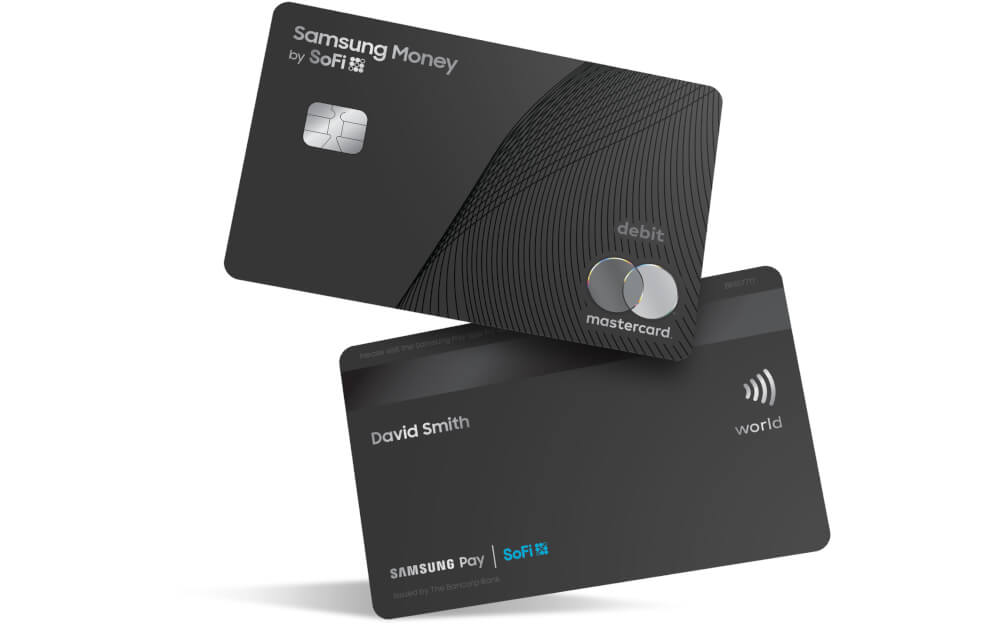
SoFi to Offer SoFiUSD as Settlement Currency Across Mastercard Network
FinanceFeeds· 2026-03-03 14:56
Core Insights - SoFi Technologies is expanding its partnership with Mastercard to promote SoFiUSD as a settlement currency across Mastercard's global payments network, allowing for card-based transactions to be settled using a U.S. dollar stablecoin [1][4] - The initiative aims to enhance the speed of settlement for card transactions, particularly in cross-border remittances and business-to-business payments, where timing and liquidity management are crucial [3][4] - SoFiUSD, issued by SoFi Bank, is a regulated stablecoin running on Ethereum, fully backed 1:1 by cash reserves for immediate redemption [2][12] Company Developments - SoFi Bank plans to utilize SoFiUSD for settling its credit and debit transactions via the Mastercard network [2] - The integration will extend to Mastercard's Multi-Token Network, connecting traditional payment systems with blockchain-based assets, allowing issuers and acquirers to consider stablecoin-based settlements [5] - Galileo, SoFi's technology platform, will be among the first to offer banks the option to settle transactions in SoFiUSD, providing fintechs and smaller banks a pathway to test stablecoin settlement [6] Industry Trends - The collaboration indicates a shift of stablecoins into core payment infrastructure, moving beyond crypto-native uses [4] - There is a growing interest in bank-integrated stablecoin wallets, with industry data showing tens of billions of dollars in daily transaction volume and a sharp increase in issuance over the past year [11] - The partnership could provide banks and fintechs with a 24/7 liquidity tool, reducing reliance on traditional batch-based clearing systems [9] Executive Perspectives - SoFi CEO Anthony Noto emphasized that SoFiUSD aims to make money transfers faster, cheaper, and safer globally, enabling instant transaction settlements [8] - Mastercard's Global Head of Digital Commercialization, Sherri Haymond, highlighted the collaboration's role in expanding the use of regulated digital currencies within established payment systems [8] Future Considerations - The adoption of stablecoin settlement at scale will depend on regulatory clarity, liquidity mechanics, and operational integration [14] - The partnership positions a regulated bank-issued token within one of the largest card networks, potentially testing the integration of stablecoins into traditional financial systems [14]