Battery Manufacturing

Search documents
中国电池材料-实地看中国电池供应链:尽管成本通胀的季节性担忧仍存,需求保持韧性-China Battery Materials China Battery Supply Chain on the Ground Resilient demand despite seasonality concern on cost inflation
2026-01-28 03:02
Flash | Anna Wang 27 Jan 2026 10:41:05 ET │ 9 pages China Battery Materials China Battery Supply Chain on the Ground: Resilient demand despite seasonality; concern on cost inflation CITI'S TAKE Our channel check with ZE Consulting suggests the top four battery makers' production pipeline might be down by 11% MoM in February, as Gotion is yet to update its plan (likely due to higher costs lately). That said, demand remains resilient even though we are heading into slack season amid the Chinese New Year, as t ...
Dragonfly Energy Launches Battle Born® Solar Panels Designed for Real-World Installations
Globenewswire· 2026-01-27 12:30
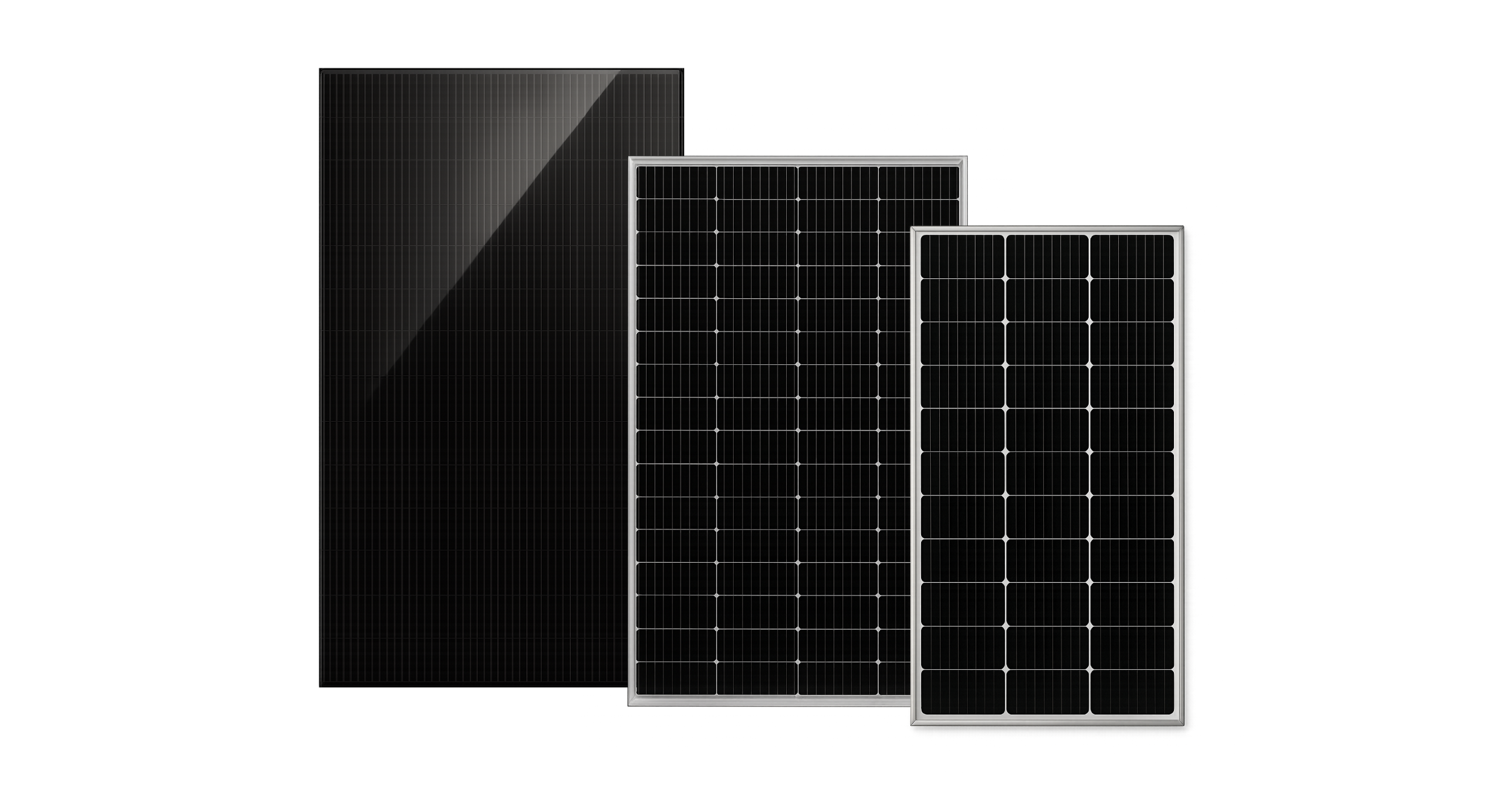
Core Insights - Dragonfly Energy Holdings Corp. has launched its first solar panel product line under the Battle Born brand, marking its expansion into solar generation [3][4] - The new solar panels are designed to optimize power extraction from limited space and maintain consistent output in shaded or variable-light conditions [4][5] Product Details - The Battle Born solar panel lineup includes four initial models, with the Elite Series rigid solar panels achieving high module efficiencies of up to 23 percent [4][8] - The Elite Series incorporates ShadeGuard™ anti-shading technology to enhance energy production under partial shading and inconsistent light conditions [5] - The panels are built with durable materials, including anodized aluminum frames and tempered glass, suitable for demanding environments [6] Market Positioning - The launch aims to provide customers with expanded options that align with their expectations for power systems, focusing on maximizing power output and reliability [9] - The product line is available for immediate sale through Battle Born Batteries and authorized distribution partners [9]


Why Amprius Insiders Are Selling—and Why Bulls Aren’t Panicking
Yahoo Finance· 2026-01-26 16:43
Core Insights - Amprius Technologies (NYSE: AMPX) insiders, particularly CTO Constantin Stefan, have been selling shares under a 10b5-1 Trading Plan, which is not a negative signal for investors as it allows for periodic sales of stock [2][5] - Despite insider selling, insiders still hold nearly 13% of the company's stock, and institutional ownership is gradually increasing, indicating positive sentiment [3][5] - The company is focusing on capacity expansion and cost reduction, particularly through contract manufacturing to comply with the National Defense Authorization Act (NDAA), which is crucial for its defense-related battery markets [6] Insider Activity - Insider selling was executed under a structured plan, and the remaining insider ownership is significant at nearly 13% [2][5] - Institutional interest is on the rise, with buying activity surpassing selling by more than $27 for every $1 sold in Q4 [3] Financial Performance - AMPX stock has seen a price increase of over 400% from its lows in 2025, prompting insiders to realize profits for reasons such as portfolio diversification and tax management [2] - The stock is maintaining a bullish bias, with analysts showing support despite concerns about cash burn and scalability [3][5] Strategic Initiatives - Amprius Technologies is reducing costs and scaling operations by pausing domestic manufacturing to enhance its contract manufacturing network, particularly with South Korean partners [6] - The focus on NDAA compliance is essential as the company targets defense-related markets, including drones and unmanned vehicles [6]

中国新能源汽车与电池月度报告_新能源汽车月度观察:国内新能源汽车保险同比增 3%;电池成本环比上升China EV & Battery Monthly _EV Monthly_ Domestic EV insurance up 3% YoY; battery cost rose sequentially
2026-01-26 15:54
Summary of Key Points from the Conference Call Industry Overview - **Industry**: Electric Vehicle (EV) and Battery Sector in China - **Current Trends**: - Domestic EV insurance registrations increased by 3% YoY and 9% MoM, reaching 1.3 million units in December, resulting in a retail EV penetration of 58.6%, up 6.5 percentage points YoY [2][25] - Wholesale EV penetration decreased to 56%, down 0.9 percentage points MoM but up 6.8 percentage points YoY [25] - Battery sales reached a record high of 143.8 GWh in December, up 49% YoY and 7% MoM [39] Core Insights - **Sales Performance**: - January 2026 retail EV sales volume was reported at 312,000 units, down 16% YoY and 52% MoM, indicating a weakening demand outlook for 2026 [3] - Wholesale EV volume also declined to 348,000 units, down 23% YoY and 46% MoM [3] - **Battery Market**: - ESS battery sales surged to 55.6 GWh, up 1.8 times YoY and 22% MoM [39] - Battery production totaled 201.7 GWh in December, marking a 62% increase YoY and 14% MoM [39] - **Market Share Dynamics**: - BEV models lost 1.2 percentage points YoY market share, while PHEV and EREV gained 0.9 and 0.4 percentage points, respectively [2] Challenges and Risks - **Sector Challenges**: - The sector faces multiple challenges including retreating stimulus, higher taxation, and commodity inflation in 2026 [5] - Slowing domestic demand growth and a rising comparison base may not be offset by new model launches [5] - **Regulatory Changes**: - New regulations in China will require EV makers to monitor vehicle safety, effective from 2027 [8] - Canada has agreed to reduce tariffs on 49,000 Chinese EVs to 6.1% as part of a trade agreement [9] - The EU has set conditions for Chinese EVs to avoid tariffs, which could impact market dynamics [10] Pricing and Cost Trends - **Battery Costs**: - The spot price for battery-grade Li2CO3 increased to RMB 158,000 per ton, up 13% WoW, 67% MoM, and 103% YoY [58] - LFP battery costs rose by 32% YoY, while NCM523 battery costs increased by 47% YoY [55][59] Strategic Developments - **Investment Activities**: - Leapmotor announced a share subscription agreement with Jinyi Hi-Tech, indicating confidence in its new energy vehicle business [13] - **Government Support**: - The Trade-in Vehicle Subsidy Program has been extended into 2026, providing incentives for consumers to switch to new EVs [14][15] Conclusion - The EV and battery sector in China is experiencing significant growth in sales and production, but faces challenges from regulatory changes, market dynamics, and rising costs. The outlook for 2026 remains cautious due to potential demand weakening and external pressures.

MBAK Energy Solutions, Inc. (OTC:MBAK) announces new Chief Product Designer
Globenewswire· 2026-01-26 13:00
Company Overview - MBAK Energy Solutions, Inc. is focused on the development, manufacturing, and commercialization of non-fossil fuel energy products, including lithium, sodium, and solid-state batteries for various applications such as industrial, medical, portable electronics, and electric vehicles [2]. Leadership Announcement - Mr. Hanbin Youn has been appointed as Chief Product Designer, bringing over a decade of experience in electric vehicle and automotive design, having worked with notable companies such as Honda, VW/Audi Group, and Faraday Future [1]. - Hanbin Youn's portfolio includes leading the design of significant projects like the FFZERO1 and FF91 at Faraday Future, and the Karma Kaveya concept at Karma Automotive, showcasing his expertise in bridging creative vision with production realities [1]. Skills and Education - Hanbin Youn possesses a unique skill set that includes 2D and 3D design, production execution, and strategic communication, essential for leading diverse engineering and design teams [1]. - He is a graduate of the ArtCenter College of Design with a Bachelor of Science in Transportation Design, class of 2013 [1].

AMG LIVA to Install Hybrid Energy Storage System Battery at Aramco Site
Globenewswire· 2026-01-26 06:00
Group 1 - AMG Critical Materials N.V. announced that its subsidiary, AMG LIVA, will install the Hybrid Energy Storage System at Aramco's Bulk Plant in Tabuk, Saudi Arabia, integrating it with an existing solar plant [1] - The Hybrid ESS combines Lithium-Ion and Vanadium Redox Flow batteries with AI routines to enhance efficiency, safety, reliability, and battery lifespan [1] - This initiative supports Saudi Arabia's 2030 Vision by reducing carbon emissions, increasing renewable energy deployment, and enhancing energy storage capabilities [2] Group 2 - The project complements the IK Metals Reclamation and Catalyst Manufacturing Project, known as the IK Supercenter, which focuses on recycling metals, including vanadium concentrate from spent catalysts [3] - The IK Supercenter is a joint venture between Shell & AMG Recycling B.V. and local partner United Company for Industry (UCI), aiming to reduce carbon emissions compared to traditional mining processes [3] - The facility will include a vanadium electrolyte production plant to support the Kingdom's vanadium flow battery market, creating a fully integrated value chain in Saudi Arabia [3] Group 3 - AMG's mission is to provide critical materials and technologies to promote a less carbon-intensive world, focusing on energy storage materials like lithium and vanadium [4] - The company is a market leader in recycling vanadium from oil refining residues and operates in advanced metallurgy, serving various sectors including aerospace [5] - AMG has approximately 3,600 employees and operates globally with production facilities in multiple countries, including Germany, the UK, and the US [6]


全球电池供应链:固态电池势头渐起-Global Battery Supply Chain_ Solid State Momentum
2026-01-26 02:49
Summary of Key Points from the Conference Call Industry Overview - The focus is on the **Global Battery Supply Chain**, particularly the advancements in **All-Solid-State Batteries (ASSB)**. [2][3] Core Insights - **Market Performance**: Korean battery supply chain companies have seen stock increases of **5-15%** due to milestones in ASSB innovation. [2] - **Research Validation**: A study from Stanford University on silver solid-state electrolyte coatings has generated enthusiasm by potentially extending ASSB battery life. [2] - **Commercialization Challenges**: Key hurdles for ASSB commercialization include dendrite formation and mechanical failure, which negatively impact cycle life. [2] - **Material Selection**: There are three material paths for replacing liquid electrolytes: sulfide, ceramic, and polymer. Current trends show a convergence towards sulfide materials among incumbents, although development continues for ceramic and polymer options. [3] - **Demand Projections**: By **2030**, humanoid robot battery demand is estimated at **300 MWh**, potentially rising to **254 GWh** by **2050**. This could translate to a revenue opportunity increasing from approximately **US$100 million** in 2030 to over **US$30 billion** in 2050. [3] Investment Considerations - **Earnings Impact**: While revenue contributions from ASSB are anticipated, the earnings impact remains low visibility. [3] - **Supply Agreements**: Recent material supply agreements, such as those between Sumitomo Metal Mining and Toyota, indicate some progress, but overall upstream supply agreements and investments are deemed inadequate for rapid scaling and cost reduction in ASSB. [3] - **Government Policy Sensitivity**: The battery industry is sensitive to government policies, including tariffs and sourcing rules, which could affect demand and profitability. [5] Risks and Challenges - **Safety Issues**: The battery industry faces safety concerns that could lead to recalls, negatively impacting demand for individual companies. [5] - **Material and Manufacturing Uncertainties**: Questions remain regarding material loadings and manufacturing processes, which could hinder the scaling of ASSB technology. [3] Conclusion - The ASSB technology is progressing towards mass production between **2027-2029**, but uncertainties in material selection and scaling remain significant challenges. [3]
Guangdong Mic-Power New Energy Co., Ltd.(H0361) - Application Proof (1st submission)
2026-01-25 16:00
The publication of this Application Proof is required by The Stock Exchange of Hong Kong Limited (the "Stock Exchange") and the Securities and Futures Commission (the "Commission") solely for the purpose of providing information to the public in Hong Kong. The Stock Exchange of Hong Kong Limited and the Securities and Futures Commission take no responsibility for the contents of this Application Proof, make no representation as to its accuracy or completeness and expressly disclaim any liability whatsoever ...
CATL a Nadace Ellen Macarthurové vytyčily v průlomové bílé knize směr pro cirkulární baterie do elektromobilů
Prnewswire· 2026-01-25 03:28
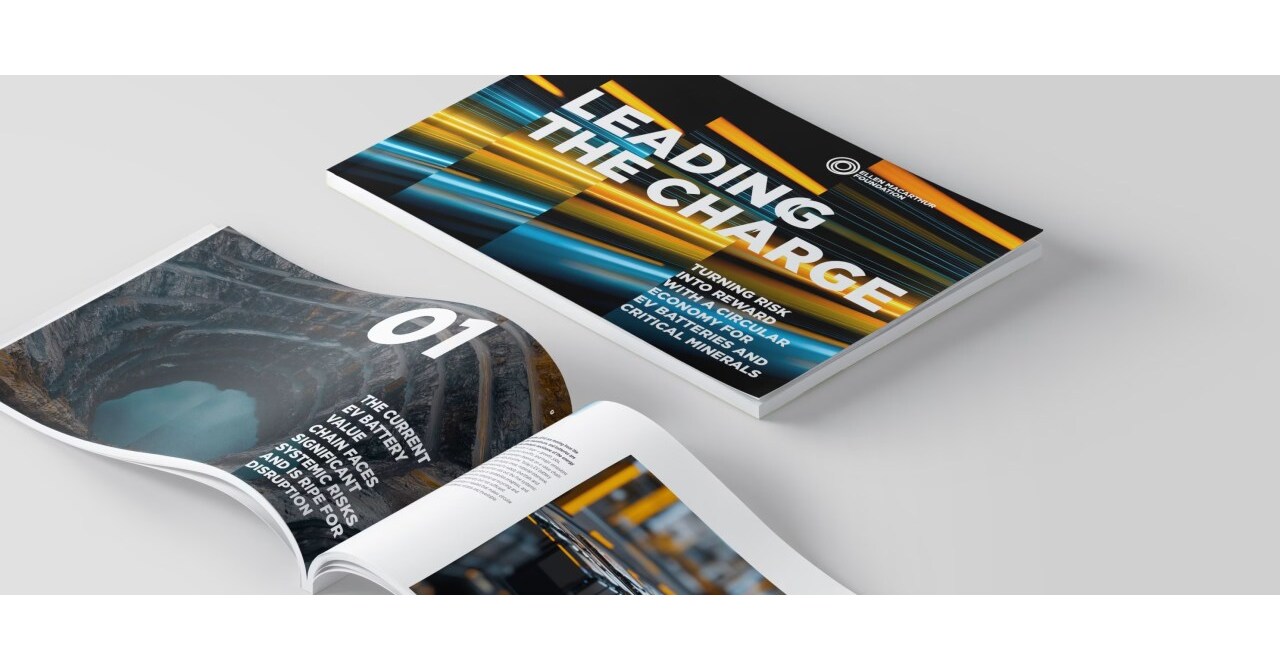
Core Insights - The article discusses a white paper released by the Ellen MacArthur Foundation during the World Economic Forum 2026, which presents an integrated and actionable plan for a circular economy in electric vehicle (EV) batteries and critical minerals, marking a significant milestone in collaboration between CATL and the foundation [1][2]. Group 1: Circular Economy Framework - The report outlines a clear, industry-backed direction for designing, using, recycling, and reusing EV batteries to maximize their value and reduce systemic risks across the value chain [2]. - CATL, as a founding strategic partner of the Critical Minerals Mission, has closely collaborated with the foundation and other industry stakeholders to translate circular economy principles into practical, actionable measures based on real operational experiences [2][3]. - The roadmap supports CATL's global commitment to circular energy, aiming to decouple battery production growth from the extraction of new raw materials [2][3]. Group 2: Environmental and Economic Benefits - The circular battery system for EVs is expected to bring opportunities in environmental sustainability, economic growth, product innovation, and broader value creation [2]. - By keeping batteries and their critical minerals in use for multiple life cycles, the demand for newly mined materials decreases, emissions are reduced, and the integration of renewable energy sources is supported [2][3]. - Economic value is enhanced through improved material efficiency, reduced waste, and operational costs, while new revenue sources are created [2][3]. Group 3: Implementation and Practices - CATL has already implemented these systemic practices across all its operations, managing batteries as centrally managed assets to increase utilization, enable planned maintenance, and ensure predictable returns at the end of their life cycle [4]. - The company operates over 1,000 battery swapping stations for passenger vehicles and more than 300 for commercial vehicles, supported by a growing ecosystem of over 100 partners [4][5]. - CATL's recycling operations achieve a recycling rate of 99.6% for nickel, cobalt, and manganese, and 96.5% for lithium, with processing capacity expanding to 270,000 tons per year [5]. Group 4: Strategic Recommendations - The white paper identifies five interconnected measures necessary for maintaining high material value in batteries and enhancing system resilience [3][7]. - These measures include designing batteries with a focus on circular economy principles, reassessing battery service within optimized energy mobility systems, expanding circular business models treating batteries as long-term assets, building and co-financing regional circular infrastructure, and enabling circular operational systems through data, standards, and policies [7]. Group 5: Future Directions - CATL emphasizes the need to expand circular battery systems across regions, industries, and applications, adapting to various market conditions [8]. - The agenda is a foundational aspect of CATL's journey towards carbon neutrality, following its achievement of carbon neutrality in all battery manufacturing plants and aiming for carbon neutrality across the entire value chain by 2035 [8].

SES AI Corporation (SES) & Top Material to Expand Cell Manufacturing Capacity in Korea
Yahoo Finance· 2026-01-22 08:30
Core Insights - SES AI Corporation is recognized as one of the top electric vehicle (EV) battery stocks to consider for investment [1] Group 1: Business Developments - SES AI Corporation has partnered with Top Material to enhance battery cell manufacturing capacity in Korea, focusing on applications for drones and urban air transportation [2] - This partnership is aimed at ensuring compliance with the US National Defense Authorization Act and is based on a non-binding agreement, with a definitive agreement anticipated in Q1 2026 [2] Group 2: Financial Performance - For the latest quarter, SES AI Corporation reported revenues of $7.1 million, an increase of $3.6 million from the previous quarter, achieving a gross margin of 51% [3] - The company utilized $14.3 million in operating cash and reported a GAAP net loss of $20.9 million, equating to $(0.06) per share [3] - At the end of the quarter, liquidity stood at $214 million, and the revenue forecast for the entire year 2025 has been revised to a range of $20 million to $25 million [3] Group 3: Product and Market Focus - SES AI Corporation specializes in the development and manufacturing of high-performance, AI-enhanced lithium-metal and lithium-ion rechargeable battery technologies [4] - These technologies are applicable in various sectors, including electric vehicles, urban air mobility, drones, robotics, and battery energy storage systems [4]