
硫化锂

Search documents
反弹!900亿锂业龙头扭亏
起点锂电· 2026-03-28 10:31
Core Viewpoint - The article highlights the significant recovery and growth of Tianqi Lithium's performance in 2025, driven by effective cost control, pricing optimization, and a robust vertical integration strategy in the lithium industry [3][4][5]. Group 1: Financial Performance - Tianqi Lithium reported a revenue of 10.346 billion yuan and a net profit of 463 million yuan in 2025, marking a substantial year-on-year increase of 105.85% and a turnaround from a loss of 7.905 billion yuan in 2024 [3][4]. - The company achieved a gross margin of 39.47% for the year, with a fourth-quarter gross margin of 40.71%, indicating improved profitability and resilience [4]. - The annual report noted that the adverse effects of mismatched pricing cycles for lithium concentrate and lithium chemical products have significantly diminished, allowing production costs to align more closely with market prices [4][5]. Group 2: Market Dynamics - The lithium carbonate market exhibited a "V-shaped" fluctuation in 2025, with prices dropping from approximately 80,000 yuan per ton at the beginning of the year to a low of 60,000 yuan per ton by June, before rebounding to over 120,000 yuan per ton by year-end [5][6]. - The demand from downstream sectors surged in the second half of the year, leading to a tight balance in supply and demand, which contributed to the price recovery [5][9]. Group 3: Industry Positioning - Tianqi Lithium has established a comprehensive layout across key stages of the lithium industry chain, enhancing its cost control and operational efficiency [6][7]. - The company focuses on both hard rock lithium mines and salt lake brine resources, ensuring a dual resource security system that includes significant holdings in the Greenbushes lithium mine in Australia, which has an annual capacity of 2.14 million tons [7]. - The company has also invested in various lithium chemical product production bases globally, achieving a total production capacity of approximately 121,600 tons per year [7][8]. Group 4: Strategic Developments - In 2025, Tianqi Lithium completed the construction and commissioning of a 30,000-ton lithium hydroxide project in Jiangsu, which can flexibly adjust to produce lithium carbonate [8]. - The company is advancing its strategic upgrade by investing in cutting-edge technologies, including the establishment of an innovation research institute focused on next-generation lithium battery materials and recycling technologies [8]. - Tianqi Lithium is also targeting the solid-state battery sector, with a pilot project for lithium sulfide materials already underway, aiming to transition from a basic material supplier to a provider of core functional materials and technical solutions [8].



上海洗霸&有研稀土固态电池项目签约北京
鑫椤锂电· 2026-03-26 14:05
Core Insights - The article discusses the establishment and strategic developments of Anshi Solid Lithium (Beijing) New Materials Technology Co., Ltd., focusing on its role in the solid-state battery market and its partnerships with key stakeholders [2][4]. Company Overview - Anshi Solid Lithium was founded in October 2025, with Shanghai Xiba holding 82.5% and Yuyuan Rare Earth holding 17.5%, having a registered capital of 200 million yuan [2][3]. - Shanghai Xiba specializes in specialty chemicals for water treatment and is expanding into advanced materials for solid-state lithium-ion batteries, including solid electrolyte powders and silicon-carbon anode materials [3]. Strategic Developments - In July 2025, Shanghai Xiba acquired lithium sulfide business assets from Yuyuan Rare Earth, enhancing its competitive edge in solid-state battery materials [4]. - The acquisition allows for a synergistic layout from upstream raw materials to downstream solid electrolytes, improving overall competitiveness in the solid-state battery materials sector [4]. - In August 2025, a joint venture was established to further industrialize the acquired technologies and materials, solidifying the partnership between Shanghai Xiba and Yuyuan Rare Earth [4]. Market Outlook - The article hints at a comprehensive market analysis for solid-state batteries from 2025 to 2029, indicating a growing interest and investment in this sector [5].

硫化锂开始拼工程了
高工锂电· 2026-03-26 11:00
Core Viewpoint - The article discusses the advancements and commercialization of solid-state battery technology, particularly focusing on the collaboration between Anshi Solid Lithium and Shanghai Xiba, which aims to address the engineering challenges associated with lithium sulfide production and its scalability [3][4][5][6]. Group 1: Industry Developments - The 2026 Solid-State Battery Technology and Application Summit will take place on April 23, 2026, in Hangzhou, Zhejiang, focusing on the theme of "Scene Landing and Mass Production Challenges" [17][20]. - A significant investment event occurred on March 25, 2026, where 34 major investment projects were signed, totaling 61.991 billion yuan, including a solid-state battery project by Anshi Solid Lithium [1]. Group 2: Company Insights - Anshi Solid Lithium was established on October 21, 2025, following Shanghai Xiba's acquisition of lithium sulfide-related assets from Yuyuan Rare Earth, indicating a strategic focus on solid-state battery technology [3]. - The joint venture between Anshi Solid Lithium and Shanghai Xiba has a registered capital of 200 million yuan, with Shanghai Xiba holding 82.5% of the shares, emphasizing a clear control structure [3][4]. Group 3: Technical Challenges and Solutions - The production of lithium sulfide faces significant engineering challenges, including the need for ≥99.99% purity and sensitivity to impurities and environmental conditions [6][7]. - Yuyuan Rare Earth's expertise in rare earth separation has been crucial in overcoming industrialization challenges, achieving high purity and low-cost production of lithium sulfide [7]. Group 4: Market Dynamics - The current market price for lithium sulfide has decreased from 10 million yuan per ton to approximately 2 million yuan per ton, reflecting cost reduction efforts [14]. - As of September 2025, Shanghai Xiba's monthly shipment of lithium sulfide reached 2 tons, indicating strong demand and validation from leading battery manufacturers [12].
InterBattery 2026 | 海内外企业同台推进固态电池产业化
高工锂电· 2026-03-16 12:26
Core Insights - The global solid-state battery industry is accelerating its industrialization process, highlighted by the InterBattery 2026 exhibition in Seoul, which showcased the latest technological developments and future trends in the battery industry [1][2]. Group 1: Battery Companies - Weilan New Energy showcased its solid-state technology across various applications, including drones, electric vehicles, and energy storage, and expressed a willingness to deepen cooperation with Mazda in the next-generation solid-state battery for electric vehicles [3][4]. - LG Energy displayed next-generation battery solutions for electric vehicles, energy storage systems, and AI infrastructure, introducing integrated energy management business models [6]. - Samsung SDI unveiled a soft-pack solid-state battery sample aimed at humanoid robots, focusing on safety and output performance while planning to expand applications to various robotic platforms and next-generation wearable devices [9][10]. - SK On highlighted a soft-pack energy storage battery with a 14% to 19% increase in energy density compared to traditional lithium iron phosphate batteries, along with a new containerized DC energy storage system [12]. Group 2: Equipment Companies - Companies like Taimilo and Guangdong Bell presented battery performance and safety testing solutions, supporting R&D, production, and quality inspection [14]. - Xinghe Automation focused on lithium battery manufacturing, showcasing technologies for stacking, packaging, and integrated production lines [15]. - Yulong Technology introduced a large-scale mixing machine to address batch differences in lithium iron phosphate production, promoting efficient manufacturing processes [20]. Group 3: Material Companies - Wanbang New Energy exhibited key materials for solid-state batteries, including lithium sulfide and porous carbon, which support the upstream material supply for solid-state batteries [27]. - Jiangsu Yirida presented nano-silicon composite thermal insulation materials with excellent thermal stability and flexibility, suitable for thermal protection in power and energy storage batteries [27]. - Shengquan Group showcased various anode materials adaptable for different battery applications, including sodium-ion batteries, while promoting resource recycling technologies in collaboration with Huayan Engineering [28].

天赐材料20260310
2026-03-11 08:12
Company and Industry Summary Company Overview - The company is involved in the production of electrolyte solutions, lithium iron phosphate (LFP) materials, and solid-state battery components, with a focus on the lithium battery supply chain. Key Points Industry and Market Position - The company maintains a market share of 38%-39% in the electrolyte segment, with a domestic production capacity of 280,000 tons nearly completed. Future growth will focus on overseas markets, with factories in Morocco and the USA expected to be operational by 2027-2028 [2][13]. - The projected market demand for hexafluorophosphate lithium (LiPF6) in 2026 is estimated to be between 330,000 to 350,000 tons, with an annual growth rate of 25%-35% [22]. Financial Performance - In 2025, the company achieved a revenue of 16.65 billion yuan, a year-on-year increase of 33%. Net profit attributable to the parent company was 1.362 billion yuan, up 181% [3]. - The electrolyte business was the main contributor to revenue growth, with sales exceeding 720,000 tons, a 45% increase year-on-year. The net profit per ton for electrolytes was over 2,000 yuan, doubling from 2024 [2][3]. Product Pricing and Profitability - The pricing of electrolytes is linked to lithium carbonate prices and is negotiated semi-annually, ensuring price stability [2][11]. - The expected net profit per ton for electrolytes in Q1 2026 is projected to rise to 6,000-7,000 yuan, reflecting a significant recovery in profitability [2][4]. Production and Capacity Expansion - The company plans to produce 1 million tons of electrolytes in 2026, with a target of 220,000 to 240,000 tons for lithium iron phosphate [2][21]. - A new 35,000-ton capacity for LiPF6 is being developed to prevent supply shortages in the second half of the year, as demand typically increases by 25%-30% [5]. Strategic Initiatives - The company is investing in a 1 million-ton iron source project to reduce the cost of lithium iron phosphate by 1,200-1,500 yuan per ton, leveraging by-products from its production processes [6]. - Solid-state battery initiatives are accelerating, with a pilot production line for lithium sulfide expected to be operational in H2 2026, targeting a gross margin of 20%-30% [2][10]. Challenges and Risks - The company anticipates that the LFP segment will continue to incur losses in the near term, although the losses are expected to narrow significantly in Q1 2026 [12]. - The company is cautious about the impact of fluctuating lithium carbonate prices on profitability, employing hedging strategies to mitigate risks [15]. Future Outlook - The company expects to see a turnaround in the LFP business by Q2 or H2 2026, driven by improved sales and pricing [12]. - The solid-state battery market's development will be closely monitored, with revenue contributions expected to align with industry progress [10][20]. Additional Insights - The company is exploring both recycling and mining for lithium resources to optimize costs, although specific details remain undisclosed [9]. - The company is also preparing for potential market entry into sodium battery electrolytes, which are expected to have similar pricing to traditional lithium-based electrolytes [22]. This summary encapsulates the key insights from the conference call, highlighting the company's strategic positioning, financial performance, and future outlook within the lithium battery industry.

宁德时代入股!370亿锂电企业赴港IPO
起点锂电· 2026-03-04 09:59
Core Viewpoint - The article highlights the transition of the Chinese energy storage industry from "scale frenzy" to "value selection," with over twenty lithium battery and energy storage companies updating their listing dynamics in both Hong Kong and A-share markets [2]. Group 1: Company Developments - Tianhua New Energy plans to issue overseas listed shares (H shares) and list on the Hong Kong Stock Exchange to accelerate its international strategy and enhance its capital strength [3][4]. - The company has formed a deep partnership with CATL, with CATL becoming the second-largest shareholder with a 13.54% stake, creating synergies in both equity and supply chain [5]. - Tianhua New Energy's total market capitalization is reported at 37.425 billion yuan, with a stock price of 45.05 yuan as of the latest closing [4]. Group 2: Financial Performance - The company has faced significant impacts from the lithium price cycle, with a projected revenue of 6.61 billion yuan in 2024, a year-on-year decline of 36.87%, and a net profit of 850 million yuan, down 48.9% [5]. - In the first three quarters of 2025, the company's revenues were 1.688 billion yuan, 3.458 billion yuan, and 5.571 billion yuan, with net profits showing a recovery trend after a loss in the second quarter [5]. Group 3: Production Capacity and Expansion - Tianhua New Energy has established production bases in Yibin, Meishan, and Yichun, with a total lithium salt production capacity of 165,000 tons per year, including 135,000 tons of lithium hydroxide and 30,000 tons of lithium carbonate [5]. - The company plans to expand its total lithium salt production capacity to 250,000-260,000 tons per year, with a new project in Meishan expected to add 60,000 tons of battery-grade lithium hydroxide and lithium carbonate by the end of 2026 [6]. Group 4: Product Development and Innovation - The core products include battery-grade lithium hydroxide and lithium carbonate, with plans to produce solid-state battery materials with a capacity of 15,000 tons by 2026 [6][7]. - The company is also advancing the development of lithium-sulfur electrolytes, aiming for high purity and low-cost production methods [7].

固态电池 | 关键材料系列①:硫化锂
DT新材料· 2026-02-28 16:06
Core Viewpoint - The article emphasizes the critical role of lithium sulfide (Li₂S) in the commercialization of solid-state batteries, highlighting its impact on performance, production costs, and reliability [4][5]. Group 1: Lithium Sulfide's Role - Lithium sulfide serves as the sole lithium source in the electrolyte synthesis, directly influencing lithium ion concentration, conductivity, and battery capacity [5]. - The tetrahedral structure of lithium sulfide forms a three-dimensional lithium ion conduction network, which is essential for high conductivity [5]. - High-purity lithium sulfide reduces the probability of side reactions with lithium metal anodes, thereby extending battery cycle life [5]. Group 2: Challenges in Production - The production of lithium sulfide faces significant challenges due to its highly reactive nature, which makes it sensitive to air and moisture, complicating its preparation, storage, and processing [5][7]. - The market price of lithium sulfide remains high, ranging from 2 million to 4 million yuan per ton, with some high-purity products priced even higher; it constitutes over 50% of the cost of solid-state cells, reaching up to 70% in certain scenarios [7]. Group 3: Current Production Status - Several domestic companies have made progress in small-scale production of lithium sulfide, including Guanghua Technology, Xiamen Gunan New Energy, and Ganfeng Lithium [7]. - The article outlines five main production routes for lithium sulfide synthesis, each with distinct characteristics and suitable for different production scales [8]. Group 4: Industrial Equipment - Key equipment for lithium sulfide industrial production includes grinding equipment, high-temperature reaction devices, powder mixing equipment, vacuum drying devices, and inert atmosphere protection systems [8][9]. Group 5: Future Outlook - The global lithium sulfide industry is transitioning from pilot testing to large-scale production, with expectations of significant cost reductions and accelerated industrialization in the next 3-5 years [10]. - Various companies are set to showcase their advancements at the INE2026 Advanced Battery and Energy Materials Exhibition in Shanghai, scheduled for June 10-12, 2026 [10].
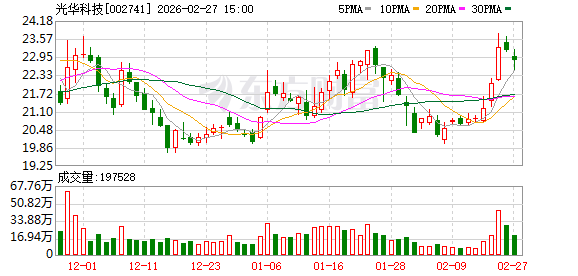
光华科技:目前硫化锂产品正处于客户验证阶段
Zheng Quan Ri Bao· 2026-02-27 13:35
Group 1 - The core viewpoint of the article highlights the rapid technological updates in the battery materials industry, emphasizing the need for extensive validation periods for new materials and processes [2] - The company, Guanghua Technology, is currently in the customer validation phase for its lithium sulfide products, indicating that no customers have formally requested to terminate the validation process as of now [2]

新能源电池新的未来新方向
Jin Tou Wang· 2026-02-27 02:43
Core Insights - The next five years in the new energy battery sector will be dominated by solid-state batteries, which are set to redefine the entire battery supply chain and present significant investment opportunities [1] - China has established itself in the leading tier of the global race for solid-state battery technology, with a surge in patents, supportive policies, and strategic corporate positioning [1] Industry Overview - Solid-state batteries are recognized for their ability to achieve energy densities exceeding 400Wh/kg, making them a focal point for global investment and technological advancement [1] - The period from 2025 to 2027 is identified as a critical window for industrialization, with major automotive and battery companies expected to complete pilot production lines and begin vehicle testing [1] Material Innovations - The electrolyte is considered the "heart" of solid-state batteries, with the sulfide route being the mainstream choice due to its superior ionic conductivity [3] - Lithium sulfide, the core raw material for sulfide electrolytes, presents significant production challenges, and companies that can achieve mass production and cost reduction will gain a competitive edge [4] Anode and Cathode Developments - The anode materials directly influence battery energy density, with pure lithium metal anodes being the ultimate goal due to their potential for nearly tenfold capacity improvement [5] - Silicon-carbon anodes are seen as a transitional solution, with advancements in technology addressing previous challenges related to expansion and consistency [6] - Cathode materials are evolving towards "high nickel + lithium-rich manganese" routes, with the latter being a new opportunity presented by solid-state technology [7] Supporting Materials and Equipment - Auxiliary materials and current collectors, while smaller segments, present substantial market opportunities, with significant demand for single-walled carbon nanotubes and other essential materials [8] - The transition to solid-state batteries necessitates a comprehensive upgrade of production equipment, with 60%-70% of existing machinery requiring replacement or modification [8] - Dry processing equipment is highlighted as a key area for innovation, enhancing battery density and energy efficiency while reducing operational costs [8][9] New Market Opportunities - Isostatic pressing equipment, previously unused in the lithium battery sector, is expected to create new market demands due to its role in enhancing battery density [9] - Leading companies are accelerating the development of complete solid-state battery production lines, indicating a shift towards more integrated manufacturing solutions [9]
固态电池深度:电池变革重要赛点,设备材料全新颠覆
2026-02-25 04:13
Summary of Conference Call on Solid-State Battery Development Industry Overview - The focus of the conference call was on the solid-state battery industry, highlighting its significance in the global energy storage competition and the transition towards all-solid-state batteries as a consensus in the industry [2][3]. Key Points and Arguments 1. **Investment Focus**: The report emphasizes the need to invest in disruptive elements within the solid-state battery supply chain, particularly in sulfide electrolytes, high nickel, and lithium-rich manganese-based cathodes, as well as lithium metal and silicon-carbon anodes [2][3]. 2. **Energy Density Goals**: Future applications such as electric aircraft and long-range vehicles require energy densities exceeding 400 Wh/kg, achievable only through solid-state battery systems [3]. 3. **Patent Landscape**: China has significantly increased its patent filings in solid-state battery technology since 2022, indicating a competitive landscape alongside Japan, Korea, and the US [3][4]. 4. **Material Innovations**: The core innovation in solid-state batteries lies in the transition from liquid to solid electrolytes, with sulfide electrolytes being the most promising due to their high ionic conductivity [6][7]. 5. **Production Challenges**: The production of lithium sulfide, a key material, faces challenges due to its reactivity with air and moisture, making it expensive and difficult to scale [7][9]. 6. **Anode Developments**: The transition from graphite to lithium metal anodes could potentially increase energy density by nearly tenfold, although issues with dendrite formation remain a concern [10][12]. 7. **Cathode Materials**: There is a debate between high nickel and lithium-rich manganese-based cathodes, with the latter showing potential for higher voltage stability in solid-state applications [15]. 8. **Equipment Innovations**: The shift from wet to dry processing methods in battery production is highlighted as a significant advancement, improving battery density and reducing manufacturing costs [18][19]. 9. **Market Dynamics**: The report anticipates a surge in orders and revenue for equipment manufacturers in 2026, driven by increased production capacity and technological advancements [26][30]. Additional Important Insights - **Emerging Players**: New companies are expected to emerge in the solid-state battery space, particularly those focusing on innovative materials and manufacturing processes [14][15]. - **Collaborative Efforts**: There is a strong emphasis on collaboration between battery manufacturers and material suppliers to enhance performance and reduce costs [27][28]. - **Regulatory Support**: The Chinese government is investing significantly in solid-state battery research and development, which is expected to accelerate industry growth [4][30]. - **Potential Risks**: The industry faces risks related to production scalability, material costs, and technological maturity, which could impact the timeline for widespread adoption of solid-state batteries [20][24]. This summary encapsulates the critical insights from the conference call regarding the solid-state battery industry, focusing on investment opportunities, technological advancements, and market dynamics.