
二手服装回收

Search documents
把二手衣服卖到非洲,广东老板年入4亿
创业邦· 2025-12-29 03:10
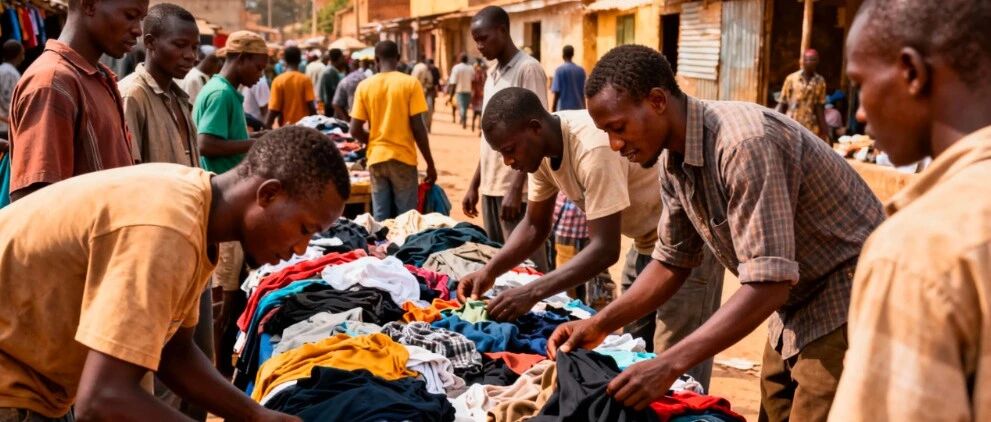
Core Viewpoint - The article highlights the success story of Guo Song, founder of Guangzhou Greizhe Recycling Resources Co., Ltd., which has become the largest waste textile recycling enterprise in China, emphasizing the potential of the circular economy and the value of second-hand clothing [5][10]. Group 1: Company Overview - Guangzhou Greizhe has processed over 100,000 tons of second-hand clothing annually, achieving sales exceeding 400 million yuan, with 60% of its products exported to Africa and other regions [5][11]. - The company aims to create a complete circular economy by controlling the entire supply chain, from collection to processing and distribution, which helps reduce costs and maintain quality [17][19]. Group 2: Market Dynamics - The global second-hand clothing market is projected to reach $84 billion by 2030, with China becoming the largest supplier to Africa and Southeast Asia, surpassing Western countries [13][14]. - In 2021, China's second-hand clothing exports to Africa increased by 123%, positioning the country as the leading exporter in this market [14]. Group 3: Challenges and Adaptations - Greizhe faced significant challenges, including a lack of trust in the second-hand clothing collection process and initial financial losses of over 20 million yuan due to market immaturity [22][24]. - The company had to retract its northern collection network and outsource new material production after facing operational difficulties in Africa, but it remains open to future expansion once domestic digital infrastructure is established [27][29].

“大牌尾货”直播售假乱象亟待严管
Xin Lang Cai Jing· 2025-12-24 22:54
Core Viewpoint - The rise of live-streaming sales of "brand surplus" and "unique sample clothing" has led to consumer complaints about the sale of low-quality, counterfeit goods, often disguised as new items, with sellers evading responsibility through unfair terms [1][2] Group 1: Consumer Rights and Legal Framework - Consumers have the right to know the true nature of products, and misrepresenting second-hand clothing as "surplus" constitutes fraud, violating consumer rights [1] - There is a lack of specific legal regulations governing second-hand clothing transactions in China, particularly regarding quality standards, identification, cleaning, and disinfection [2] Group 2: Industry Regulation and Platform Responsibilities - Regulatory bodies need to establish specialized laws for the circulation of second-hand clothing and implement mandatory national standards for the identification, cleaning, and disinfection of second-hand textiles [2] - Platforms should enhance their regulatory mechanisms by strictly verifying the sources of products sold by streamers and conducting real-time or random sampling inspections [2] Group 3: Consumer Awareness - Consumers are encouraged to exercise caution when shopping through live-streaming platforms, ensuring they verify the legitimacy of sellers and the authenticity of products, especially when prices seem unusually low [2]