
二手衣服

Search documents
把二手衣服卖到非洲,广东老板年入4亿
创业家· 2025-12-31 09:53
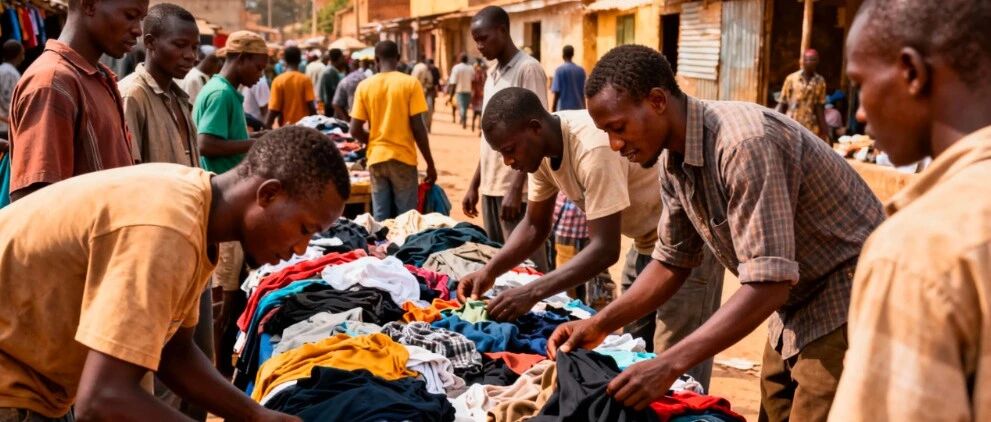
Core Viewpoint - The article emphasizes the potential of the circular economy, particularly in the second-hand clothing industry, highlighting the success of companies like Guangzhou Greizhe Recycling Resources Co., Ltd. in transforming waste into valuable resources [5][10]. Group 1: Company Overview - Guangzhou Greizhe Recycling Resources Co., Ltd. has become the largest waste textile recycling enterprise in China, processing over 100,000 tons of second-hand clothing annually and achieving sales exceeding 400 million yuan [5][10]. - The company exports 60% of its products to Africa and sells to over 120 countries and regions, showcasing its significant international market presence [5][10]. Group 2: Market Dynamics - The global second-hand clothing market is projected to reach a value of 84 billion USD by 2030, with China's second-hand clothing exports to Africa increasing by 123% from 2020 to 2021, making China the largest supplier in this market [10][11]. - In 2021, the global second-hand clothing export value exceeded 5.4 billion USD, indicating a robust growth trajectory for this sector [10][11]. Group 3: Business Model and Operations - Greizhe's business model involves a comprehensive recycling process, from collection at waste disposal sites to sorting, disinfecting, and packaging for export, ensuring a closed-loop system [14][15]. - The company operates 30,000 self-service recycling bins across China and utilizes online platforms for collection, emphasizing its commitment to environmental sustainability [14][15]. Group 4: Challenges and Adaptations - Greizhe faced significant challenges, including market trust issues and operational difficulties in establishing a recovery network, leading to substantial financial losses [16][18]. - The company pivoted to focus on developing new materials from unusable clothing, such as automotive insulation and industrial cleaning cloths, although initial market acceptance was low [16][18].


把二手衣服卖到非洲,广东老板年入4亿
创业邦· 2025-12-29 03:10
Core Viewpoint - The article highlights the success story of Guo Song, founder of Guangzhou Greizhe Recycling Resources Co., Ltd., which has become the largest waste textile recycling enterprise in China, emphasizing the potential of the circular economy and the value of second-hand clothing [5][10]. Group 1: Company Overview - Guangzhou Greizhe has processed over 100,000 tons of second-hand clothing annually, achieving sales exceeding 400 million yuan, with 60% of its products exported to Africa and other regions [5][11]. - The company aims to create a complete circular economy by controlling the entire supply chain, from collection to processing and distribution, which helps reduce costs and maintain quality [17][19]. Group 2: Market Dynamics - The global second-hand clothing market is projected to reach $84 billion by 2030, with China becoming the largest supplier to Africa and Southeast Asia, surpassing Western countries [13][14]. - In 2021, China's second-hand clothing exports to Africa increased by 123%, positioning the country as the leading exporter in this market [14]. Group 3: Challenges and Adaptations - Greizhe faced significant challenges, including a lack of trust in the second-hand clothing collection process and initial financial losses of over 20 million yuan due to market immaturity [22][24]. - The company had to retract its northern collection network and outsource new material production after facing operational difficulties in Africa, but it remains open to future expansion once domestic digital infrastructure is established [27][29].
在非洲,钱是两种人赚的:一种靠当地人,一种靠“老乡”
Hu Xiu· 2025-09-06 06:41
Group 1 - The core idea is that profitability in Africa depends on understanding the target market, whether local consumers or Chinese expatriates [57][58]. - There are two main types of businesses in Africa: those targeting local consumers with low-cost products and those catering to Chinese expatriates with premium offerings [15][59]. - Local markets in Africa may have low consumption levels, but they still present significant opportunities if approached correctly [5][7]. Group 2 - Businesses targeting local consumers can succeed by offering affordable products that meet basic needs, such as second-hand clothing, which is popular due to its affordability and style [8][12]. - The cost of labor in Africa is significantly lower than in China, making local manufacturing attractive for Chinese companies [10][11]. - Local production reduces reliance on imports, leading to lower costs and faster delivery times, creating a favorable market environment [14]. Group 3 - Businesses targeting Chinese expatriates often focus on providing emotional value and comfort, such as authentic Chinese cuisine and accommodations that cater to their preferences [32][33]. - The pricing for services aimed at Chinese consumers can be significantly higher, reflecting the added value of familiarity and safety [20][30]. - The essence of these businesses lies in addressing psychological needs rather than just providing services [25][36]. Group 4 - A significant portion of transactions in Africa still relies on traditional methods, with 90% of sales occurring through direct marketing rather than e-commerce [36][38]. - Many entrepreneurs underestimate the challenges of digital platforms in Africa, where infrastructure may not support such business models [46][47]. - Successful businesses often utilize local distributors and agents to navigate the market effectively [41][42]. Group 5 - A smaller segment of businesses focuses on exporting resources from Africa back to China, such as mining and agriculture, which can yield high profits but come with substantial risks [48][50]. - These ventures require significant investment and understanding of local regulations and logistics [55][56]. - The potential for profit in resource extraction highlights the ongoing demand for African resources in Chinese manufacturing [56]. Group 6 - The key to success in Africa is to clearly define the target market and adapt business strategies accordingly [57][60]. - Companies must be willing to accept the realities of pricing and market dynamics, whether targeting local consumers or expatriates [59][61]. - Understanding the local context and being patient in building relationships is crucial for long-term success in the African market [60][61].