二手衣物回收与销售

Search documents
旧衣收售“忙”,监管不可“盲”
Xin Hua Ri Bao· 2025-12-28 21:59
Core Viewpoint - The article highlights the chaotic state of the second-hand clothing recycling industry, emphasizing the exploitation of consumers and the misuse of charitable resources in the process of selling uncleaned and unverified second-hand clothes [1][2]. Group 1: Industry Issues - Numerous e-commerce platforms are selling second-hand clothes that have not been cleaned or disinfected, using misleading marketing tactics such as "high cost-performance" and "minor flaws" [1]. - The practice of selling "clothing blind boxes" without disclosing the source of the garments is prevalent, with sellers often stating "no returns or exchanges" [1]. - The recycling process is fraught with issues, including the placement of donation boxes under false pretenses and the exploitation of charitable organizations for profit [1][2]. Group 2: Consumer Impact - The lack of proper cleaning and disinfection processes poses health risks to consumers, potentially exposing them to bacteria and viruses [2]. - Misleading advertising and the concealment of the true origins of the clothing violate consumers' rights to information and fair trade [2]. - The pursuit of high profits at low costs disrupts market order, negatively affecting the e-commerce, apparel, and textile recycling industries in the long run [2]. Group 3: Regulatory Needs - The current issues stem from a lack of standards and regulatory oversight in the second-hand clothing market [2]. - Investigations into involved companies are underway, but long-term solutions require established standards for sales, including classification, cleaning, and disinfection processes [2]. - Continuous and diligent enforcement of regulations is necessary to ensure the proper flow of resources in the second-hand clothing market [2].
直播间“大牌尾货”竟是回收箱旧衣
Xin Lang Cai Jing· 2025-12-22 18:17
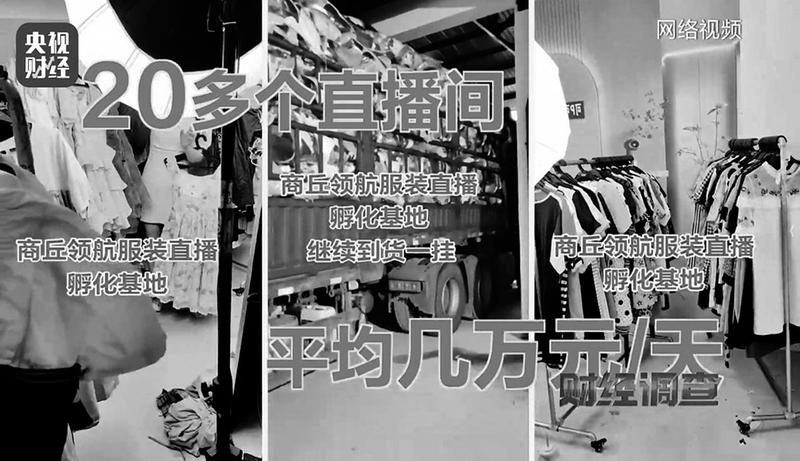
Group 1 - Recent consumer complaints indicate that some live-streaming sales claiming to sell "brand excess inventory" and "unique sample garments" are actually selling low-quality, misrepresented products, often marked with terms like "default as defective, no returns or exchanges" [3] - A specific case involved purchasing three items labeled as "sample garments" for only 6 yuan, which upon inspection revealed significant wear and defects, indicating they were second-hand clothing [3] Group 2 - Old clothing recycling bins have become a significant source of inventory for businesses, with tracking devices revealing that collected items are sent to sorting facilities over 60 kilometers away [4] - In Changchun, a major hub for old clothing sorting and recycling, businesses report high demand from live-streaming platforms, with some companies selling dozens of tons of recycled clothing daily without proper cleaning or sanitization [4] - Many sellers in live-streaming platforms avoid mentioning the second-hand nature of the clothing, instead using terms like "high cost-performance" and "slightly dirty" to attract consumers [5][6] - The best-quality second-hand clothing is often refurbished and sold as new, allowing sellers to maximize profits, with some businesses reporting daily revenues of several tens of thousands of yuan from their live-streaming operations [6]