二手旧衣服

Search documents
别让公益捐衣成直播间生意
Xin Lang Cai Jing· 2025-12-26 23:08
Core Viewpoint - Recent consumer complaints indicate that some live-streaming platforms, which claim to sell "brand excess inventory" and "unique sample garments," are actually selling second-hand clothing. This practice not only violates consumer rights but also raises health concerns due to the sale of uncleaned used clothes [2] Regulatory Actions - Regulatory authorities need to eliminate the related gray market chain and bring the collection of old clothes under effective supervision to ensure transparency in the recycling and circulation of used garments [2] - There is a call for these live-streaming merchants to recall sold items or compensate consumers for their purchases [2] Consumer Awareness - Consumers are advised to be cautious and question the sources of extremely low-priced products, avoiding impulsive purchases [2] Platform Responsibility - Live-streaming platforms are urged to fulfill their responsibilities and prevent charitable clothing donations from being exploited for business purposes [2]


人民锐评:斩断旧衣回收的灰色利益链
Xin Lang Cai Jing· 2025-12-26 06:43
Core Viewpoint - The article highlights the emergence of a gray market in second-hand clothing, where unscrupulous sellers disguise used garments as "new" or "high-quality" items, posing health risks to consumers and undermining the integrity of the recycling and charity sectors [1][3]. Group 1: Industry Practices - Some businesses are exploiting the concept of "old clothing recycling" to engage in unethical practices, using donation boxes labeled for "charity" as sources for second-hand clothes [3]. - High-quality second-hand clothes are being refurbished and sold as new, while lower-quality items are marketed as "micro-defective" or "sample garments" in online and physical stores [3]. Group 2: Consumer Risks - The sale of second-hand clothing under the guise of "tail goods" or "unique items" infringes on consumer rights and poses health risks, as many of these garments are not properly cleaned and may carry harmful substances [3]. - Wearing these unregulated second-hand clothes can lead to skin diseases and respiratory issues, particularly affecting children who are more vulnerable to health risks [3]. Group 3: Regulatory Recommendations - There is an urgent need for regulatory bodies to enhance laws governing the circulation of second-hand clothing, including establishing hygiene standards and traceability mechanisms [4]. - E-commerce platforms are urged to take responsibility by prohibiting sellers from concealing the second-hand nature of their products and ensuring consumer protection channels are accessible [4]. Group 4: Social Responsibility - The article emphasizes that old clothing recycling should be a mutually beneficial initiative that promotes resource conservation and goodwill, rather than a means for a few to profit at the expense of public trust [4]. - It calls for transparency in the flow of second-hand clothing, ensuring that the recycling process aligns with environmental and charitable goals [4].

回收旧衣冒充“尾货”,别让直播间变“欺诈间”
Xin Lang Cai Jing· 2025-12-24 07:17
Core Viewpoint - The article highlights the issue of live-streaming platforms selling second-hand clothes under the guise of "brand excess inventory" and "unique samples," which constitutes multiple infringements on consumer rights and health [1][2][3] Group 1: Industry Practices - Some live-streaming channels are selling second-hand clothes labeled as "defective" with terms like "no returns or exchanges," allowing them to profit from low-cost sourced items [1] - The practice of reselling old clothes without proper cleaning or disinfection poses health risks to consumers and violates product quality laws [1][2] Group 2: Regulatory Response - Regulatory authorities are urged to eliminate the gray market chain related to these practices, ensuring transparency in the collection and circulation of old clothes [2] - Consumers misled into purchasing these items can demand refunds and seek punitive damages under consumer protection laws, which stipulate a "triple compensation" rule [2] Group 3: Consumer Awareness - Consumers are advised to be cautious about low-priced items and question their origins, particularly in cases of offers like "3 pieces for 6 yuan" [2] - Consumer associations can initiate public interest lawsuits against illegal merchants and live-streaming platforms to compel them to adhere to legal responsibilities [2]
直播间“大牌尾货”竟是回收箱旧衣
Xin Lang Cai Jing· 2025-12-22 18:17
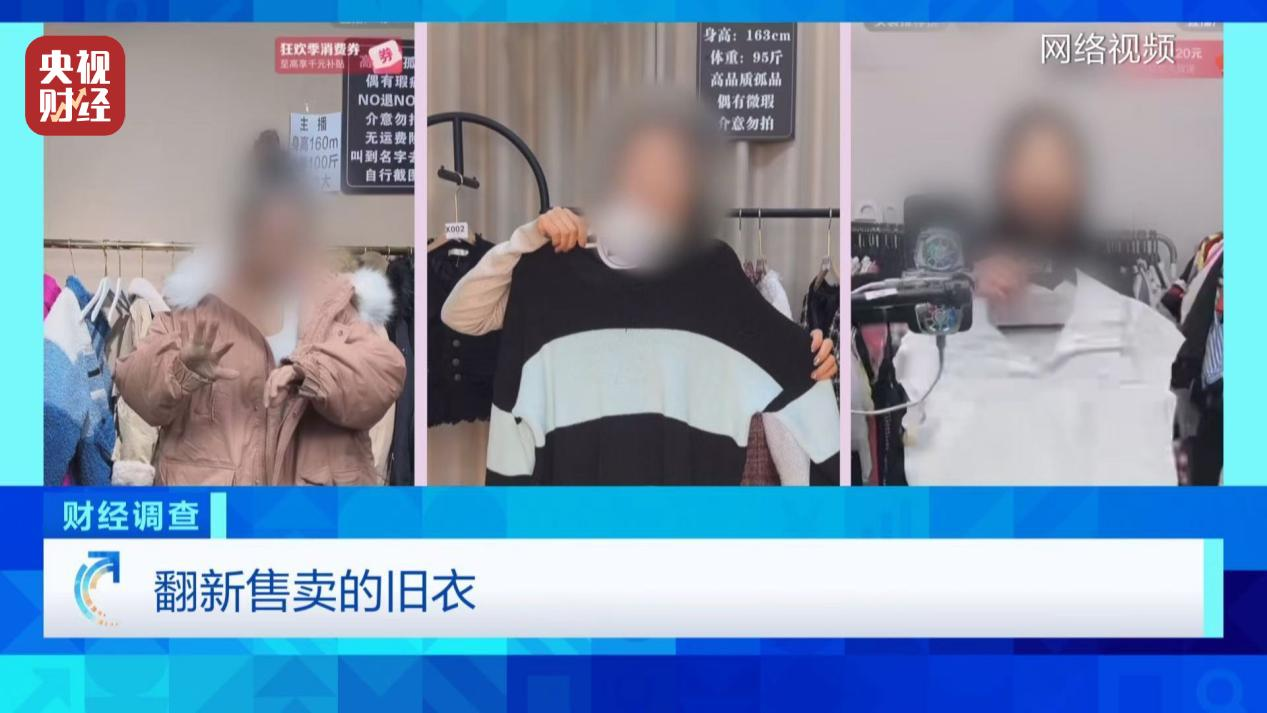
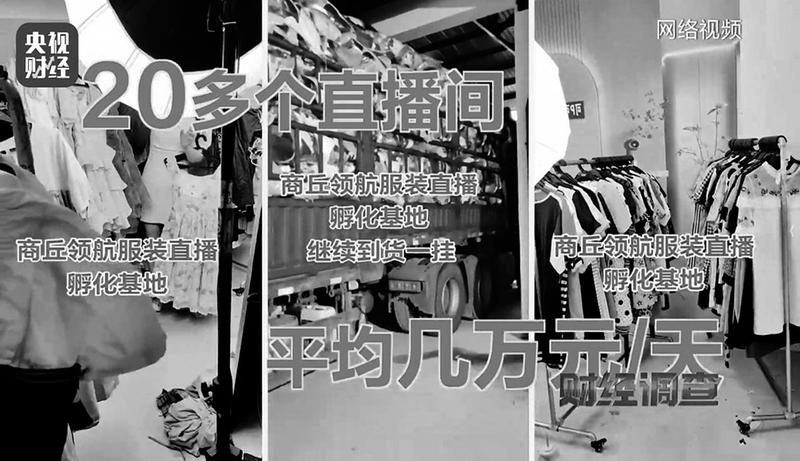
Group 1 - Recent consumer complaints indicate that some live-streaming sales claiming to sell "brand excess inventory" and "unique sample garments" are actually selling low-quality, misrepresented products, often marked with terms like "default as defective, no returns or exchanges" [3] - A specific case involved purchasing three items labeled as "sample garments" for only 6 yuan, which upon inspection revealed significant wear and defects, indicating they were second-hand clothing [3] Group 2 - Old clothing recycling bins have become a significant source of inventory for businesses, with tracking devices revealing that collected items are sent to sorting facilities over 60 kilometers away [4] - In Changchun, a major hub for old clothing sorting and recycling, businesses report high demand from live-streaming platforms, with some companies selling dozens of tons of recycled clothing daily without proper cleaning or sanitization [4] - Many sellers in live-streaming platforms avoid mentioning the second-hand nature of the clothing, instead using terms like "high cost-performance" and "slightly dirty" to attract consumers [5][6] - The best-quality second-hand clothing is often refurbished and sold as new, allowing sellers to maximize profits, with some businesses reporting daily revenues of several tens of thousands of yuan from their live-streaming operations [6]
直播间“大牌尾货”竟是回收箱旧衣服!旧衣回收产业链内幕曝光
Xin Lang Cai Jing· 2025-12-21 15:33
Core Viewpoint - The article highlights the deceptive practices of live-streaming sellers who market second-hand clothing as "new samples" or "brand excess inventory," often selling low-quality items with undisclosed origins and misleading terms like "default as defective, no returns or exchanges" [1][3][22] Group 1: Deceptive Practices - Many live-streaming sellers claim to sell "new sample clothes" or "brand excess inventory," but are actually selling second-hand clothing at very low prices [3][22] - Sellers use phrases like "slightly dirty" or "slightly flawed" to mislead consumers about the true nature of the products, avoiding any mention of their second-hand status [5][22] - Investigations revealed that items sold as "samples" often show clear signs of previous use, including stains and wear [6][19] Group 2: Supply Chain and Sourcing - Old clothing is sourced from recycling bins, with some sellers admitting to obtaining items from garbage stations, packaging them as high-quality products for profit [9][22] - The demand for second-hand clothing in live-streaming sales is high, with some recycling companies reporting daily sales of dozens of tons of old clothing [12][14] - Live-streaming sellers often purchase these items in bulk from recycling facilities, emphasizing the need to avoid mentioning their second-hand nature to maximize sales [19][41] Group 3: Renovation and Reselling - Some second-hand clothing is refurbished and sold as new, with sellers using new tags to disguise the items' true origins [24][35] - A significant portion of the clothing sold in live-streams is actually refurbished second-hand items, which are marketed as "factory excess" or "samples" to attract buyers [35][41] - The refurbishment process is sophisticated enough that it is difficult for consumers to identify the items as second-hand, allowing sellers to charge higher prices [33][38]