传染病防治

Search documents
聚集防治三大传染病,全球基金在南非G20峰会前筹资113亿美元
Di Yi Cai Jing· 2025-11-25 08:01
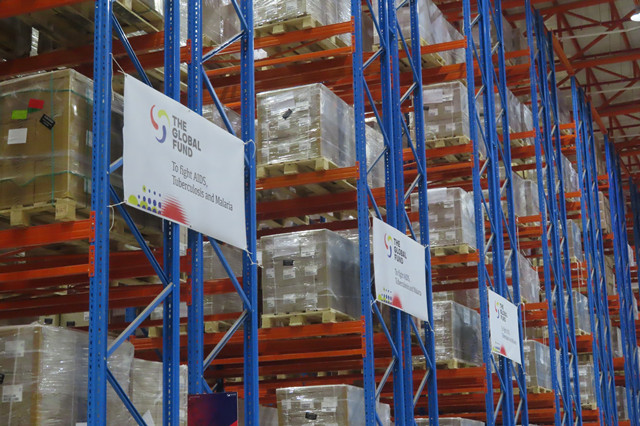
Core Viewpoint - The Global Fund has significantly reduced deaths from AIDS, tuberculosis, and malaria by at least half compared to two decades ago, showcasing the importance of international cooperation in combating these diseases [1][5]. Fundraising Efforts - The Global Fund aimed to raise $14 billion at the recent replenishment conference but only secured approximately $11.3 billion, falling short of its target. Despite this, the outcome reflects global unity and determination to tackle these diseases amid financial constraints and geopolitical uncertainties [3]. - Traditional donors are primarily from G7 countries, but many have indicated difficulties in maintaining previous funding levels due to domestic economic pressures. For instance, the UK reduced its commitment from £1 billion to £850 million [3]. U.S. Contributions - The U.S. remains the largest donor to the Global Fund, pledging $4.6 billion this time, despite previous commitments not being fully met due to government transitions. The U.S. supports the Global Fund's model, which emphasizes capacity building in recipient countries [4]. Private Contributions - The Gates Foundation is the largest private donor to the Global Fund, committing $912 million at the recent conference, contributing nearly $5 billion since the fund's inception [4]. Procurement and Cost Reduction - The Global Fund's bulk purchasing power has led to significant cost reductions for medications, exemplified by the drop in annual treatment costs for a specific AIDS drug from $1,300 to $37, although challenges remain for some countries [5]. Impact on Health Outcomes - Since its establishment in 2002, the Global Fund has mobilized over $69 billion, saving approximately 70 million lives and reducing the overall mortality rate from the three diseases by 63% [5]. China's Role - China has transitioned from a recipient to a donor and governance partner of the Global Fund, contributing $99 million to date. This shift reflects China's evolving role in global health governance, emphasizing technical cooperation and experience sharing [6]. - China's involvement includes providing high-quality medical products and assisting African nations in strengthening local pharmaceutical production capabilities, which could transform health systems in Africa [7].