便携影像设备

Search documents
手机大厂都来抢大疆的生意了
3 6 Ke· 2026-02-10 13:28
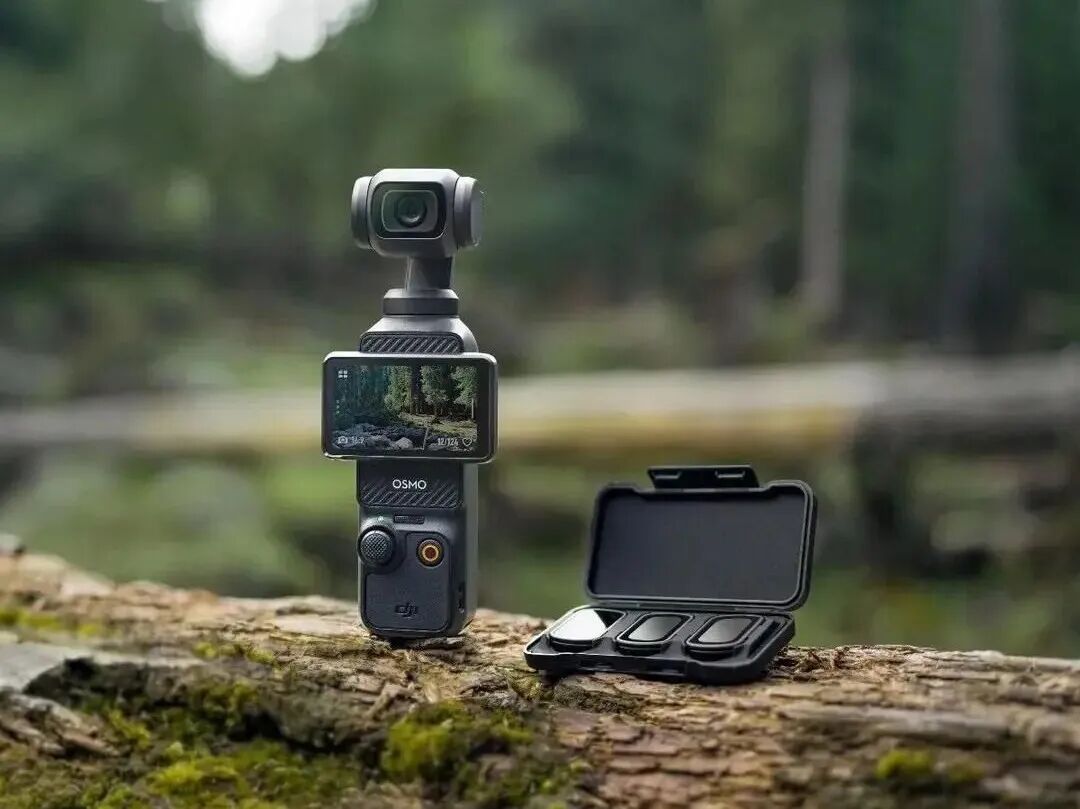
Core Viewpoint - The entry of major smartphone manufacturers into the handheld gimbal camera market poses a significant challenge to DJI, which has dominated this space. The competition is expected to drive innovation and lower prices, making these devices more accessible to the general public [10][14][22]. Group 1: Market Dynamics - DJI's Pocket series has gained immense popularity due to its mechanical stabilization, compact size, and user-friendly operation, making it a favorite among content creators [1][2]. - Major smartphone brands like OPPO, vivo, and Honor are developing similar handheld gimbal camera products, with expected releases this year [4][5]. - The global smartphone market is facing stagnation, with IDC predicting a 3%-4% decline in shipments by 2026, prompting manufacturers to seek new growth avenues like handheld cameras [10][11]. Group 2: Competitive Landscape - Smartphone manufacturers have inherent advantages in developing handheld gimbal cameras, such as established imaging algorithms and shared supply chains, which can reduce costs [11][12]. - The competitive landscape is shifting from DJI's monopoly to a tiered structure, with DJI maintaining a high-end professional market focus, while other brands target mid-range and entry-level consumers [16][18][19]. Group 3: Future Outlook - The competition is expected to accelerate technological advancements in the industry, enhancing user experience through features like AI-assisted creation and improved stabilization [20][21]. - The collaboration between smartphone manufacturers and DJI could lead to a more mature industry, with a potential shift towards a "smartphone + Pocket" combination becoming the norm for content creation [22].