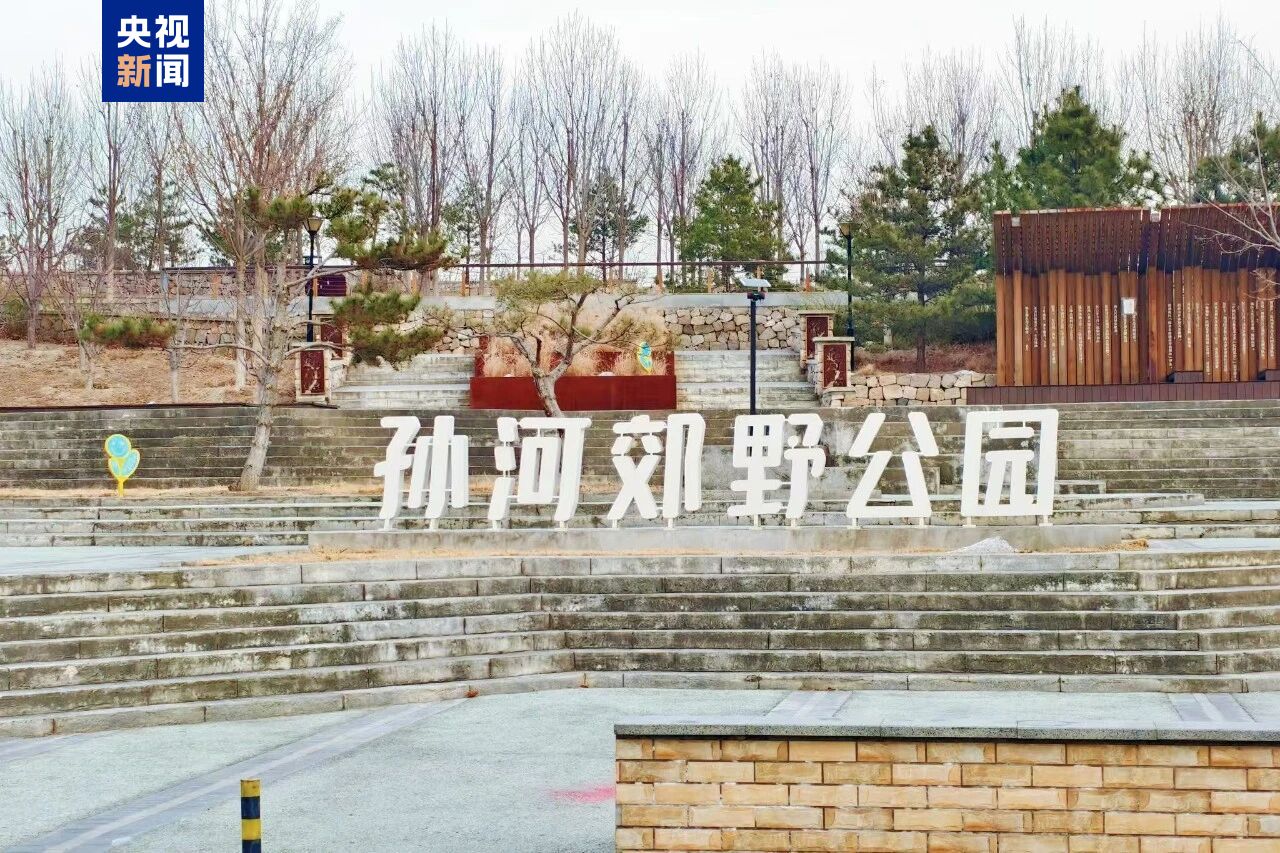
公园运营管理

Search documents
鼓励社会资本规模化品牌化运营公园
Xin Lang Cai Jing· 2026-01-13 22:55
Core Viewpoint - Beijing has established 1,136 parks, with over 500 million annual visitors, and aims to enhance park quality and urban vitality through 15 specific measures outlined in the new policy document [1][2]. Group 1: Park Development and Integration - The city plans to build an additional 200 parks over the next decade, focusing on "public welfare and ecological priority" as core principles [2]. - The measures aim to break down physical boundaries between parks and urban areas, promoting deeper integration of parks into the city [2]. - The coverage rate of park green space within a 500-meter radius is currently at 93%, with 725 parks seamlessly integrated into urban life [2]. Group 2: Facilities and Services Enhancement - The policy will establish a multi-departmental coordination mechanism to enhance park facilities, including temporary parking, shuttle services, and mobile restrooms during peak visitor times [2]. - Parks will be encouraged to introduce convenient facilities such as light meals, coffee, and cultural markets, integrating seating and lighting into a unified "urban furniture" management system [2]. Group 3: Flexible Use of Park Spaces - The measures will relax restrictions on the proportion of supporting buildings in parks, allowing for more flexible use of space, particularly in suburban parks [3]. - Parks will be encouraged to utilize areas like lawns and waterfronts for popular activities such as camping and recreational events, enhancing the utility of every inch of park space [3]. - A "regular health check" mechanism for parks will be established to assess and optimize park conditions [3]. Group 4: Operational Mechanism Reform - The new policy allows parks to operate under a model that maintains their public welfare attributes while permitting self-management or delegation to enterprises, with a maximum delegation period of five years [4]. - Different types of parks will adopt tailored strategies, focusing on cultural heritage, diverse business integration, community services, and outdoor experiences [4]. - Citizens will have the opportunity to participate in park management, fostering a collaborative approach to park governance [4].
可委托企业运营、请市民当“园长”……北京15项措施推动公园升级
Yang Shi Xin Wen· 2026-01-13 11:13
Core Insights - Beijing has introduced measures to enhance park quality and stimulate urban development, focusing on four main areas: integration of city and parks, innovative operations, land use assurance, and governance improvement [1][3]. Group 1: Park Development and Visitor Engagement - Beijing has a total of 1,136 parks, receiving over 500 million visitors annually, with a 93% coverage rate of park green space within a 500-meter radius [1]. - 725 parks have achieved seamless integration with urban spaces through the scientific removal of fences, and many older parks are being updated to be more age-friendly [1]. Group 2: Functional Integration and Market Activation - A multi-departmental mechanism will be established to dynamically add temporary parking, shuttle services, and mobile toilets during peak holiday traffic [3]. - Parks are encouraged to introduce convenient services such as light meals, coffee, and cultural markets, with a unified design management for urban furniture like benches and streetlights [3]. - A "white list" for park operations will be created to promote deep integration of parks with culture, tourism, sports, and education, forming a vibrant urban circle centered around parks [3]. Group 3: Operational Strategies and Revenue Generation - Parks can operate under a self-managed or delegated model while maintaining their public service nature, with a maximum delegation period of five years [3]. - Different strategies will be implemented for various park types, focusing on cultural heritage for historical parks, community services for neighborhood parks, and outdoor experiences for ecological parks [3]. - Revenue generated will primarily be reinvested into management and services, creating a sustainable cycle of "using parks to support parks" [3]. Group 4: Space Utilization and Governance - Parks meeting certain criteria can rent out buildings, with the first lease offering a rent-free period for renovations [5]. - The policy allows for flexible use of space in suburban parks, including non-paved activity areas and encourages the development of new recreational scenarios like camping and waterfront activities [5]. - A regular "health check" mechanism for parks will be established, with results used for optimization, and a "citizen park manager" system will be piloted to involve citizens and experts in park management [5]. Group 5: Future Development Plans - Over the next decade, Beijing plans to construct 200 new parks, aiming for residents to have easy access to green spaces, enhancing their quality of life [5].