汽车出口贸易

Search documents
沉浸式感受大美新疆的无限生机与活力 走进伊犁探寻多元融合“精彩篇章”
Yang Shi Wang· 2025-09-10 07:41
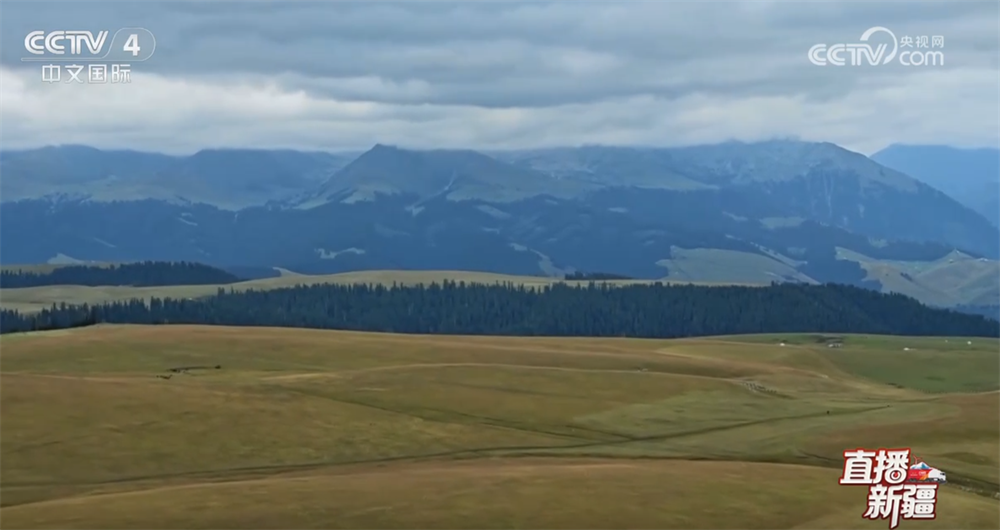
Group 1 - The core message highlights the significant changes and development in Xinjiang over the past 70 years, emphasizing social stability, economic prosperity, and ecological well-being [1] - The region of Ili Kazakh Autonomous Prefecture is showcased for its natural beauty, including the Karajun Grassland, which is part of the "Xinjiang Tianshan" and recognized as a World Natural Heritage site [2] - The unique geographical features of the region, such as the Kuokesu Grand Canyon, are described, noting its impressive dimensions and natural formation [4] Group 2 - The report discusses the importance of the Horgos Port as a vital trade hub connecting China with the world, facilitating the flow of goods and culture [11] - In the first seven months of the year, Horgos International Border Cooperation Center saw over 7 million people, with more than 2,000 businesses operating in the area [13] - The port is noted as China's largest land port for automobile exports, with a significant increase in the export of new energy vehicles [15][18] Group 3 - The agricultural advancements in Ili, particularly in lavender cultivation, are highlighted, with the area becoming one of the world's top three lavender production regions [21][23] - The integration of technology in agriculture is emphasized, showcasing innovations in salmon farming that enhance both ecological sustainability and product quality [25][26] - The local economy is benefiting from tourism, with lavender fields attracting significant visitor numbers, indicating a successful blend of agriculture and tourism [25][28] Group 4 - The cultural diversity and harmony in Ili are illustrated through the vibrant community in Liuxing Street, where various ethnic groups coexist and share their traditions [29][31] - The street serves as a cultural melting pot, showcasing local arts, crafts, and cuisine, contributing to the region's appeal as a tourist destination [35][36] - The overall narrative presents Ili as a microcosm of Xinjiang, reflecting the region's rich cultural tapestry and economic vitality [38]