海洋勘探科技

Search documents
重要技术突破!在南海1264米水深处,试验成功
中国能源报· 2026-01-14 11:41
Core Viewpoint - The successful development of China's first underwater geological spatial drilling and in-situ monitoring robot marks a significant breakthrough in deep-sea exploration and geological monitoring technology [1]. Group 1: Robot Development and Capabilities - The robot features a modular multi-body design and integrates inertial navigation, magnetic beacon-assisted positioning, and artificial intelligence algorithms, greatly enhancing its intelligence level and environmental adaptability [3]. - It can autonomously drill and accurately position within deep-sea geological layers, avoiding obstacles such as rocks and biological debris while dynamically planning optimal paths [3]. Group 2: Monitoring Achievements - During a recent voyage, the robot successfully conducted in-situ real-time monitoring in the South China Sea, collecting over 2,000 sets of data on methane concentration, dissolved oxygen, and geological structure, which aids in understanding the geological background of the trial mining area [4].

重要技术突破!在南海1264米水深处,试验成功
Huan Qiu Wang Zi Xun· 2026-01-14 03:46
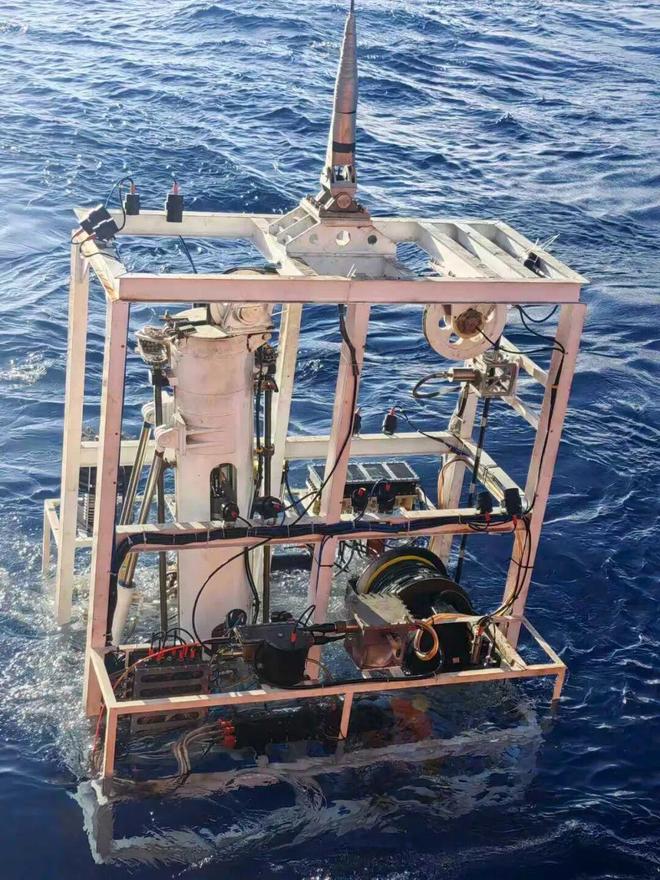
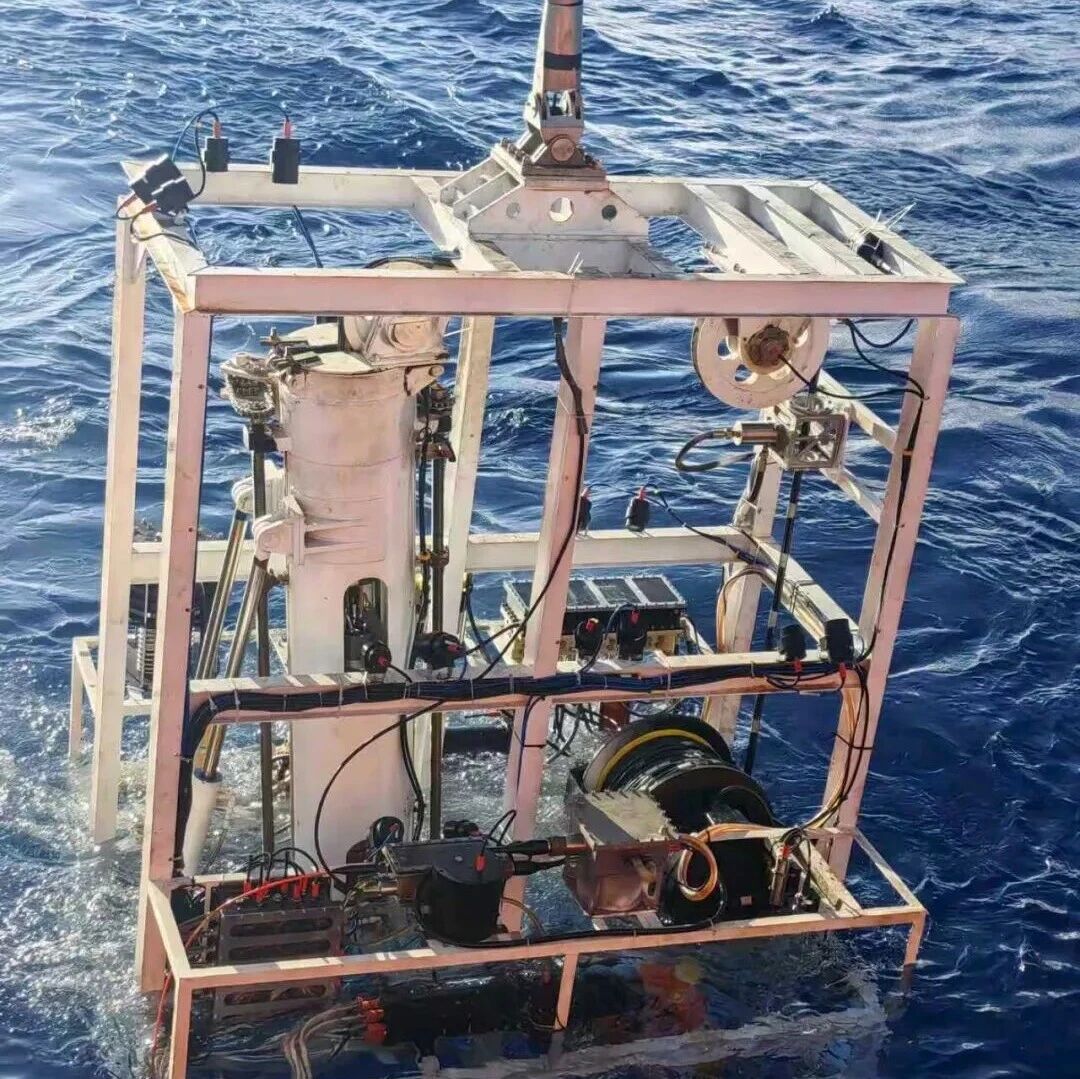
碍物,并动态规划最优路径。此外,机器人还能携带多种传感器深入地层内部,开展大范围、长周期、 多参数的原位实时监测。 "在刚结束的航次中,我们利用这台机器人在南海完成了目标地层的原位实时监测,获得了2000多组甲 烷浓度、溶解氧和地层结构等数据,有助于我们更好地了解试采区的地质背景。"自然资源部中国地质 调查局广州海洋局工程师朱扬涛说。 来源:科技日报 1月14日,记者从中国地质调查局广州海洋地质调查局获悉,该局自主研发的国内首台"海底地层空间立 体钻探与原位监测机器人",在南海1264米水深海域成功完成试验作业,各项性能全面达标,标志着我 国深海勘探与地层原位监测技术取得重要突破。 该机器人采用模块化多体节设计,并融合惯性导航、磁信标辅助定位与人工智能算法,智能化水平与环 境适应性极大提升。它能够在深海地层内部实现自由钻进与精准定位,可自主避开岩石、生物残骸等障 科技日报记者 操秀英 文中图片由广州海洋地质调查局提供 ...