电动助力自行车

Search documents
21专访|卖上千欧元的国产E-bike,圈粉200万老外
2 1 Shi Ji Jing Ji Bao Dao· 2025-10-14 23:09
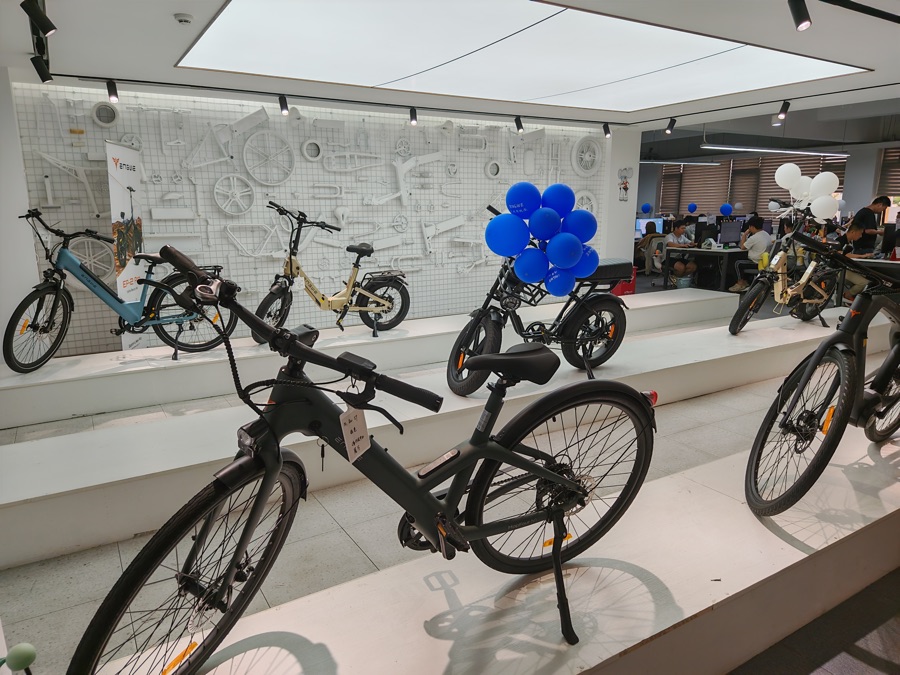
Core Insights - The global E-bike market is projected to grow from $35 billion in 2024 to $62.25 billion by 2030, with China being a significant player due to its supply chain advantages and cost-effectiveness [1] - Engwe, a brand under Shenzhen Dayu Sports Technology, has emerged as a leading representative of Chinese E-bike exports, achieving a 70.4% year-on-year sales growth in the first four months of this year [1] Company Development - Engwe's founding team has a diverse background, initially focusing on domestic e-commerce and later transitioning to international markets, with a pivotal shift in 2021 towards foreign trade and brand establishment [2] - The launch of Engwe's flagship product, the X26, on crowdfunding platforms in 2022 raised $1.25 million, marking a significant milestone in its brand development [2][7] Market Strategy - Engwe has completely separated its domestic and international operations, with 100% of its products being exported, primarily to Europe (70%) and the United States (25%) [4] - The company has opted for a self-operated and franchise model for sales channels, avoiding reliance on third-party platforms to maintain profit margins and brand integrity [4][5] Competitive Landscape - The E-bike industry is characterized by a fragmented competitive landscape, with the top 10 brands holding less than 20% market share, indicating opportunities for growth, especially for Chinese brands [11] - Engwe's market share is projected to increase from 1.5%-2% in 2024 to higher levels in 2025, reflecting the industry's growth potential [11] Product Differentiation - Engwe's core product features a lightweight carbon fiber design, smart functionalities, and compliance with European regulations, distinguishing it from domestic offerings [8][9] - The company anticipates a growing market for similar products in China as consumer purchasing power increases and demand for "light exercise" options rises [10] Financial Strategy - Engwe's funding needs are focused on inventory costs, R&D (30% of sales), and logistics (over 20% of sales), with funding sourced from retained earnings and bank financing [13][14] - The company aims to maintain independence by avoiding external investors that could influence decision-making [14] Future Goals - Over the next three years, Engwe plans to transition from a brand and product-driven model to a technology-driven approach, emphasizing R&D in battery optimization and smart controls [15] - The company intends to expand its European presence through local teams and a dual operating model, combining retail partnerships with increased store openings [15]