科普场馆

Search documents
“人机”拼服务 科普添新趣
Xin Lang Cai Jing· 2026-02-22 06:37
Core Viewpoint - The Shanghai Science and Technology Museum has undergone a significant upgrade, enhancing its visitor experience through a combination of personalized guided tours and advanced digital navigation systems, catering to diverse audience needs and preferences [6][9][10]. Group 1: Human-guided Tours - The museum's team of guides has prepared engaging content and interactive elements to enhance the visitor experience, particularly during the festive season [6][7]. - Guides utilize visual aids, such as tablets, to make scientific concepts more accessible and enjoyable for children, transforming abstract knowledge into relatable experiences [7][8]. - Volunteer guides play a crucial role in providing warm and engaging explanations, contributing to the overall educational atmosphere of the museum [8]. Group 2: Digital and Smart Navigation - The museum has implemented a digital audio guide system that allows visitors to access information via the official WeChat account, enhancing convenience and efficiency [9][10]. - The "Smart Navigation" system offers personalized route planning based on visitor preferences, significantly improving the overall experience by preventing disorientation within the large venue [10][12]. - An AI assistant is available to answer visitors' questions in multiple languages, providing immediate and relevant information, thus enhancing the educational experience [11]. Group 3: Integration of Services - The museum is innovating by introducing third-party professional services for guided tours, moving away from traditional models to a more interactive and engaging approach [13]. - A multi-faceted smart navigation service matrix has been established, including voice guides and mobile applications, to provide free and efficient navigation options for visitors [13][14]. - Future plans include developing a membership system that integrates guided services with educational routes, aiming to enhance resource sharing and meet diverse visitor needs [14].

北京科学中心小程序上线,持身份证能检票,退订无需整单
Xin Lang Cai Jing· 2025-12-30 00:29
Core Viewpoint - The Beijing Science Center has upgraded its ticketing system to enhance user experience, making the process more convenient, flexible, and environmentally friendly [1]. Group 1: System Enhancements - The ticketing system now features a unified entry point, allowing users to log in easily via WeChat without needing to remember passwords or receive verification codes after the initial setup [2][3]. - Users can now freely book and cancel tickets for various activities, such as tickets for the children's playground and special effect cinema, without needing to cancel the entire order [2]. - The center has transitioned to a fully electronic ticketing system, eliminating paper tickets and allowing entry through ID cards or electronic QR codes, streamlining the admission process [2][3]. Group 2: Booking and Entry Process - The booking process involves several steps, starting with logging into the WeChat mini-program and binding a phone number [5][7]. - Users can select the desired tickets and fill in visitor information, which can be saved for future bookings [9][10]. - Entry can be completed through three methods: ID recognition, electronic QR code, or by entering the ID number [15][17]. Group 3: Ticket Cancellation and Policies - The cancellation process is straightforward, allowing users to select their order and click the cancellation button [23][25]. - The center allows a maximum of five people per order, with at least one adult required, and all minors must have a reservation [26]. - The center emphasizes the importance of timely cancellations to avoid being blacklisted for no-shows [26].

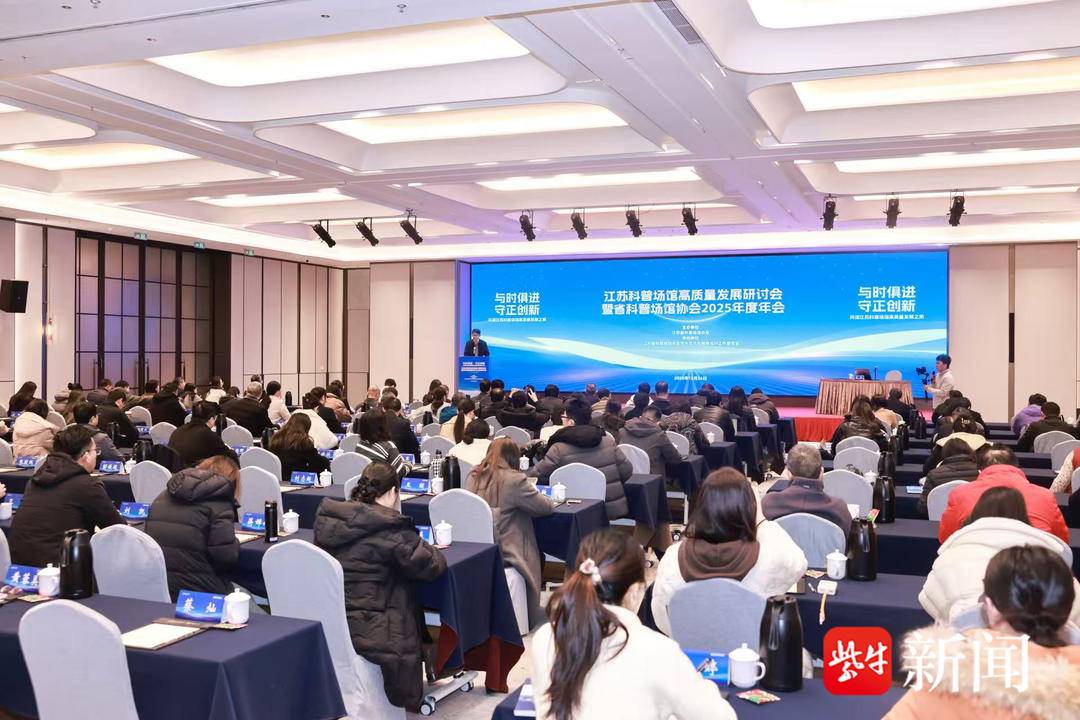
凝聚共识,共谋新篇:江苏科普场馆高质量发展研讨会暨省科普场馆协会2025年度年会在宁召开
Yang Zi Wan Bao Wang· 2025-12-24 11:05
Core Insights - The seminar on the high-quality development of science popularization venues in Jiangsu was held on December 24, focusing on exploring upgrade paths and development blueprints for these venues in the new era [1] - The event gathered nearly 150 representatives from various science popularization venues, industry experts, scholars, and professionals to discuss development strategies [1] Group 1: Leadership and Vision - Sun Chunlei, the chairman of the Jiangsu Science Popularization Venue Association, emphasized the importance of science venues in inspiring youth scientific dreams and enhancing public scientific literacy [3] - The association aims to promote the development of science venues through performance evaluation, platform building, and self-improvement, under the strong leadership of the provincial science association [3] - Challenges such as the need for updated concepts, collaborative efforts, resource sharing, and the integration of technology and education were highlighted [3] Group 2: Key Presentations - A keynote report titled "Collaborative Development and Intelligent Empowerment: Thoughts on the High-Quality Development Path of Science Popularization Venues" was presented by Bai Jinsong, providing forward-looking ideas for the transformation of Jiangsu's science venues [5] - Bai emphasized "collaborative development" as a preferred path to overcome resource limitations, advocating for the establishment of national cooperation networks and regional alliances [5] - The report also discussed the use of cutting-edge technologies like artificial intelligence and virtual reality to innovate science communication methods and enhance interactive experiences [5] Group 3: Practical Insights - Six representatives from grassroots venues shared their research findings and practical explorations, covering topics such as resource coordination mechanisms, localized curriculum design, and audience feedback-based service evaluation [7] - These shared experiences provided valuable references for practical innovation in science venues across the province [7] - The meeting served as a platform for aligning industry consensus and addressing challenges, with a focus on "collaboration" and "intelligent empowerment" as core drivers for future development [7]