航空航天研究

Search documents
NASA将退役F-15飞机用作静音超声速研究
Xin Lang Cai Jing· 2026-01-27 03:21
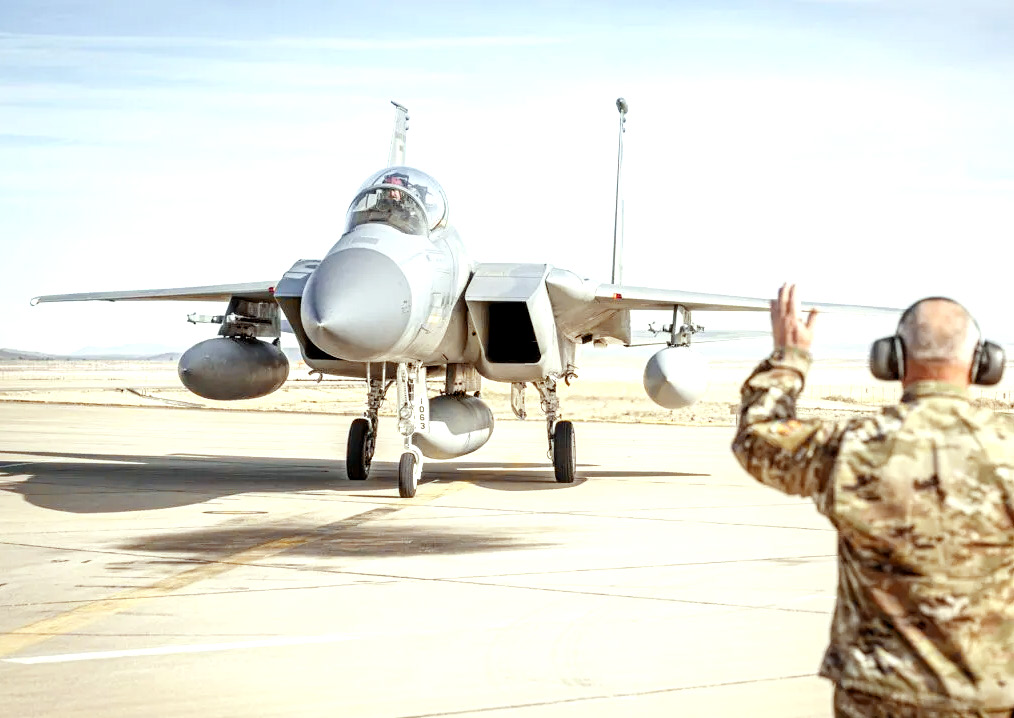
Core Insights - NASA has received two retired F-15 fighter jets from the U.S. Air Force to support the X-59 quiet supersonic flight testing project [2] - One F-15 will be operational for research, while the other will be dismantled for parts to maintain the fleet [2] - The F-15s will ensure data collection for the X-59 project and may also engage in external collaborations [2] Group 1 - The F-15s will provide supersonic research support for NASA's Flight Demonstration and Capabilities project, including the quiet supersonic flight testing program (Quesst) [2] - The F-15s were acquired from the 173rd Fighter Wing at Kingsley Field in Oregon and arrived at NASA Armstrong Flight Research Center on December 22, 2025 [2] - NASA has utilized F-15s since the early 1970s for various scientific experiments, significantly contributing to aeronautics and high-speed flight research [2] Group 2 - The new F-15s will be modified to allow safe flight at altitudes up to 60,000 feet (18,288 meters), which is the upper limit for the X-59 flight envelope [3] - The F-15's design allows for the installation of instruments and experimental equipment that many other aircraft cannot accommodate [3] - The primary mission of these aircraft is to support the X-59 project, while they will also aid in advanced aviation research and collaborative projects in the long term [3]

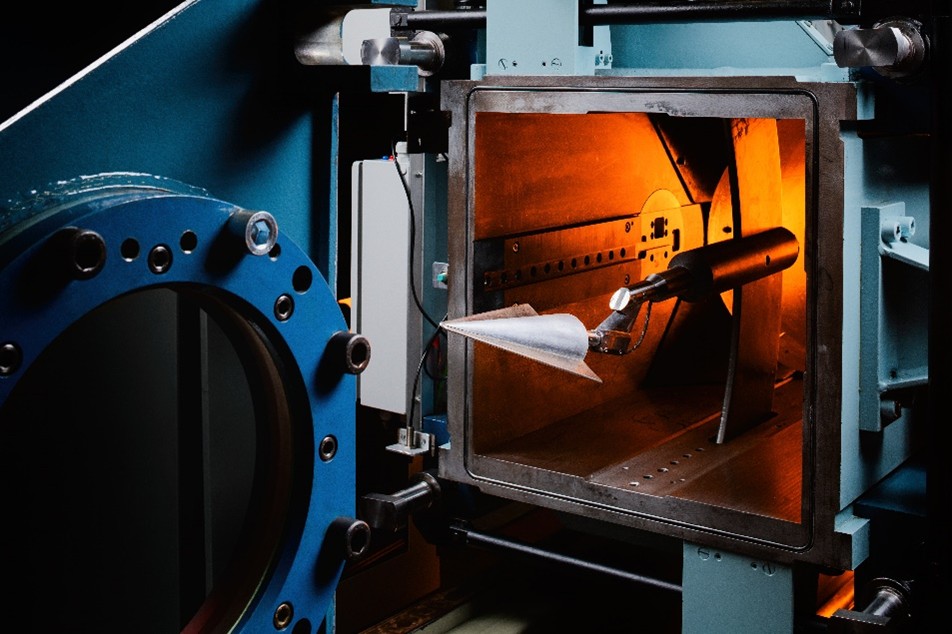
从风洞到太空:真空助力航空航天研究
Globenewswire· 2025-11-17 22:00
Core Insights - The German Aerospace Center (DLR) in Göttingen is conducting research on fluid dynamics, which is crucial for accurately predicting the performance of supersonic aircraft [2][4] - The facility features a large vacuum chamber and a tube-based wind tunnel, which are essential for conducting detailed fundamental research [2][5] - Busch Vacuum Solutions plays a vital role in these research projects by providing vacuum technology that enhances testing efficiency and accuracy [6][8] Group 1: Research Facility and Technology - The Göttingen facility has been operational since the 1950s and was the first large aerodynamic research facility of its kind, known as the Ludwieg tube [3] - The tube-based wind tunnel operates on the interaction of pressure and vacuum, allowing for the simulation of hypersonic conditions [5] - The wind tunnel can achieve speeds of up to 7 Mach, with measurement times reaching 350-400 milliseconds, providing ample time for data collection and analysis [5] Group 2: Vacuum Technology Impact - The new Busch COBRA NX screw vacuum pump has doubled the speed of evacuating the vacuum chamber compared to the old rotary vane pump, reducing the time to reach 50 mbar pressure from 30 minutes to just 15 minutes [7] - The vacuum technology significantly improves testing efficiency and allows for better control of high-speed airflow [6][7] - The new vacuum system operates quietly and requires less maintenance, enhancing the overall testing environment [7] Group 3: Collaboration and Future Research - DLR collaborates with international organizations such as NASA and ESA, providing critical testing for spacecraft models under extreme conditions [8] - The research aims to build a key validation database to improve existing models and develop new numerical methods for fluid dynamics [8] - Busch Vacuum Solutions' technology is a crucial support for the mission of advancing aerospace research and development [8]