Digital Identity Solutions

Search documents
电子产品数字产品护照(DPP)产业调研:全球市场规模增长趋势
Sou Hu Cai Jing· 2025-12-25 13:18
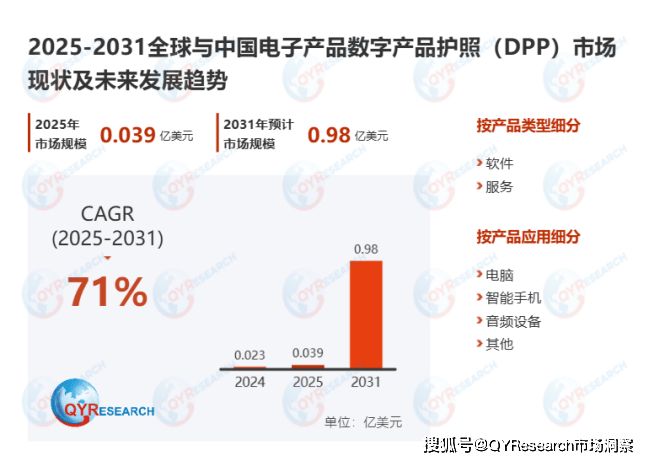
Group 1: Market Overview - The global market for Digital Product Passports (DPP) is projected to reach $160 million by 2031, with a compound annual growth rate (CAGR) of 71% over the next few years [2] - DPP is a digital identity system that records the entire lifecycle of electronic products, enhancing supply chain transparency and promoting circular economy and sustainability [2] Group 2: Key Players - Major manufacturers in the DPP space include Piconext, Protokol, and Circularise, with the top five companies holding approximately 38% of the market share in 2024 [4] - Piconext focuses on creating unique digital identities for physical products using NFC and QR codes, enhancing brand protection and supply chain transparency [5] - Protokol specializes in Web3 and blockchain technologies, providing solutions for digital assets and identity systems [6] - Circularise offers a proprietary blockchain and smart questioning technology to ensure material traceability and environmental impact data sharing [6][7] Group 3: Industry Chain Analysis - The upstream segment involves data standards, technical protocols, and core data sources, which are essential for establishing a common language for DPP [8] - The midstream consists of DPP solution integration, deployment, and operation, primarily by digital passport platform service providers [8] - The downstream includes compliance applications and value realization, with electronic product brands and manufacturers as the main users of DPP [9][10] Group 4: Industry Trends and Opportunities - DPP is evolving from a compliance tool to a core digital platform that drives value creation throughout the product lifecycle [11] - Regulatory frameworks, such as the EU Battery Regulation, are creating a robust market demand for DPP solutions [13] - DPP enables manufacturers to optimize supply chains and enhance brand value through increased transparency and sustainability [13] - The technology integration and standard interoperability are becoming critical for the successful implementation of DPP [11] Group 5: Challenges and Barriers - High collaboration costs and data acquisition challenges hinder the establishment of DPP across the supply chain [14] - The risk of technology and standard fragmentation poses a significant obstacle to achieving scale and value realization in DPP [14] - Concerns regarding data security, privacy, and the protection of commercial secrets are major barriers to participation in DPP initiatives [15] - The complexity of building an ecosystem that includes various stakeholders creates high entry barriers for new players [16]