Non-banking Financial Companies

Search documents
Planning a gold loan in 2026? Find out which lender is offering the lowest interest rate in India
MINT· 2026-03-03 13:02
Core Insights - Gold loans are secured loans where gold jewellery or coins are pledged as collateral, with interest rates in India ranging from 8.5% to 24% per annum in 2026 [1] Interest Rate Calculation - The interest rate for gold loans is determined by the purity and weight of the gold, loan tenure, lender type, loan amount, and repayment structure [2][3] - Banks typically offer lower interest rates (8-12%), while NBFCs and private lenders may charge higher rates, reaching up to 20-27% for flexible or short-term loans [4] Interest Rates by Major Banks - State Bank of India (SBI) offers gold loans starting at 9% per annum for amounts between ₹20,000 and ₹50 lakh, with tenures up to 3 years [5] - Punjab National Bank (PNB) provides loans at 9.25% per annum for amounts up to ₹25 lakh and tenures of up to one year [6] - HDFC Bank's rates range from 9.10% to 19% per annum, with loan amounts starting at ₹25,000 and tenures from 6 to 42 months [6] - ICICI Bank offers rates from 8.75% to 16.75% per annum, with tenures from 6 to 36 months and loan amounts up to ₹2 crore [7] - Bank of India (BOI) starts at 8.85% per annum for loans up to ₹30 lakh, with tenures up to 36 months [7] Interest Rates by NBFCs - Muthoot Finance offers gold loans starting at 10.90% per annum for amounts up to ₹1 crore and tenures of up to 1 year [8] - Manappuram Finance provides loans at 9.90% per annum for amounts up to ₹1.5 crore and tenures of up to 1 year [9] - Bajaj Finserv offers rates between 9.5% and 24% per annum for loans up to ₹2 crore [9] Eligibility Criteria - Common eligibility criteria for gold loans include pledging gold of 18 carats or above, being at least 18 years old, legally owning the gold, and being an Indian resident [10][11]


Here's who analysts expect to gain from India's U.S. and EU trade deals
CNBC· 2026-02-03 23:18
Trade Agreement Overview - The trade pact between India and the U.S. will reduce tariffs on Indian exports from 25% to 18% [1] - India has agreed to cease purchasing Russian crude oil and will instead buy oil from the U.S. and potentially Venezuela, while committing to purchase $500 billion in various products [2] Sector Impacts - India's manufacturing sector is expected to be a major initial beneficiary of the new trade deal, with potential boosts for the I.T. and pharmaceutical sectors [3] - The labor-intensive export sector, including textiles, clothing, leather, jewelry, toys, and furniture, may regain competitiveness against regional rivals due to the lower tariff rate [4] - Smaller and medium-sized companies are likely to benefit from the new 18% tariff rate, which is more favorable compared to Pakistan (19%) and Vietnam and Bangladesh (20%) [5] Market Sentiment and Financial Sector - The removal of the tariff overhang is anticipated to support banks, non-banking financial companies, and export-oriented manufacturers, while enhancing retail sentiment in small and mid-cap stocks [5] - The trade deal is seen as a positive development for Indian equities, particularly in financials, I.T., and telecom sectors, with expectations of a short-term rebound [9] International Relations and Strategic Positioning - The recent India-EU treaty likely accelerated the U.S.-India deal, aligning India more closely with its ASEAN peers and improving its competitive position relative to China [6] - Improved U.S.-India relations are expected to reduce scrutiny on I.T. services and lower the risk of punitive actions, benefiting the I.T. sector [8] Pharmaceutical Sector Growth - The elimination of 11% tariffs on EU drug imports is projected to significantly benefit India's pharmaceutical sector, with a market growth forecast from $31.2 billion in 2025 to $45.7 billion by 2035 [10][12] - The trade agreement is expected to help Indian firms diversify export destinations and improve regulatory compliance processes, potentially reversing recent stagnation in pharmaceutical exports [12][13] Market Reactions - Following the trade deal, the Sensex index rose by 2.5%, indicating improved market sentiment and clarity for investors [14] - U.K.-listed investment trusts with exposure to India also saw gains, reflecting positive investor reactions to the trade agreement [14] - The trade deal is viewed as a potential catalyst for renewed momentum in the Indian market, which had previously been stalled by tariff regimes [15]

IndusInd Bank says Chair Sunil Mehta to step down at end of term
BusinessLine· 2026-01-23 07:15
Core Viewpoint - IndusInd Bank is undergoing a leadership change with Sunil Mehta stepping down as part-time chairman, to be succeeded by Arijit Basu, indicating a shift in governance amidst previous challenges faced by the bank [1][2]. Group 1: Leadership Changes - Sunil Mehta will resign as part-time chairman and director effective January 30, following the completion of his term [1]. - Arijit Basu, previously chairman of HDB Financial Services and former managing director of State Bank of India, will take over the role [1]. Group 2: Historical Context - Mehta's departure follows a series of leadership changes at IndusInd Bank, which faced investor criticism in 2025 due to accounting lapses, leading to the exits of former CEO Sumant Kathpalia and Deputy CEO Arun Khurana [2]. - The bank's shares declined by 10% last year, making it the worst-performing stock on the private bank index, which overall increased by nearly 16% [2]. Group 3: Recent Developments - In December, it was reported that Mehta had communicated his intention to step down at the end of his term, indicating a planned transition in leadership [3].
MUFG Bank to acquire 20% stake in India’s Shriram Finance for $4.3bn
Yahoo Finance· 2025-12-22 11:21
Group 1: Investment Agreement - Mitsubishi UFJ Financial Group's subsidiary MUFG Bank has signed an investment agreement to acquire a 20% equity stake in Shriram Finance, valued at approximately Rs396.2 billion (about $4.3 billion), pending regulatory approval [1][2] - The agreement involves major shareholders of Shriram Finance, including Shriram Ownership Trust and Shriram Capital Private Limited, and will make Shriram Finance an equity method affiliate of MUFG [2] Group 2: Strategic Collaboration - MUFG Bank has also signed a memorandum of understanding for a strategic collaboration with Shriram Finance aimed at accelerating growth through partnerships [3] - The collaboration intends to leverage MUFG's client network and services alongside Shriram Finance's regional reach and established customer base, supporting the development of India's road transport infrastructure and logistics sector [6] Group 3: Company Background and Focus - Shriram Finance, established in 1979, is the second largest retail non-banking financial company (NBFC) in India by loan balance, with nearly 3,200 branches primarily in rural and semi-urban areas [3] - The company specializes in commercial and passenger vehicle loans, with a strong presence in the used vehicle loan segment [4] Group 4: MUFG's Objectives - By providing growth capital, MUFG aims to enhance Shriram Finance's funding capacity and profitability, particularly in the new commercial vehicles and micro, small, and medium enterprises (MSMEs) segments [5] - MUFG Bank has been operating in India since 1894, offering a range of banking services to corporate clients [4]

It’s the non-banks’ time to shine
BusinessLine· 2025-12-22 01:11
Core Insights - India's industry, trade, and commerce are experiencing a significant shift in credit sourcing, with non-traditional funding sources gaining prominence amid a GDP growth averaging around 8% over the past few years [1][5]. Credit Flow Trends - The flow of bank credit in FY25 decreased by approximately ₹3.4 lakh crore, dropping from ₹21.4 lakh crore to ₹18 lakh crore, while non-bank sources compensated for this decline with an increase of ₹4.3 lakh crore, rising from ₹12.5 lakh crore in FY24 to ₹16.8 lakh crore in FY25 [2][4]. - In FY26 (up to October 31), the total flow of financial resources to the commercial sector increased to ₹20.1 lakh crore from ₹16.2 lakh crore a year ago, with non-bank sources contributing ₹8,95,813 crore, marking a 39% year-on-year increase [13]. Non-Bank Financing Sources - Non-bank financing sources include commercial papers, corporate bonds, private equity, venture capital, credit from non-banking financial companies (NBFCs), external commercial borrowings (ECBs), and foreign direct investments (FDI) [6]. - In FY25, corporate bond issuances reached ₹9.9 lakh crore, a 16.1% increase from the previous year, while investments from alternative investment funds (AIFs) grew by 32% year-on-year to ₹5,38,161 crore as of March-end 2025 [20]. Structural Changes in Financing - The shift towards non-bank financing is driven by India's rapid economic expansion and formalization, which have increased corporate financing needs, while banks face exposure limits and tighter lending norms [18]. - Companies are increasingly seeking non-bank capital as it offers faster execution, higher ticket sizes, and capital aligned with long-term growth rather than short-term debt servicing [19]. Regulatory Environment - The RBI and SEBI are encouraging diversification of corporate funding by deepening the corporate bond market and enhancing supervision of NBFCs, which reflects a regulatory nudge towards non-bank financing [21][22]. - The upcoming withdrawal of guidelines that limited bank credit to large borrowers is expected to allow banks to increase their lending to corporations, potentially balancing the shift towards non-bank sources [24][25].
At $4.4 bn, Shriram Fin to get India's largest financial-sector FDI
Rediff· 2025-12-20 17:27
Core Viewpoint - MUFG Bank will invest Rs 39,618 crore (approximately $4.4 billion) to acquire a 20% stake in Shriram Finance, marking the largest foreign direct investment in India's financial services sector to date [1][3]. Company Overview - Shriram Finance is the flagship company of the Shriram group and is the second-largest retail non-banking financial company (NBFC) in India, with assets under management exceeding Rs 2.81 trillion [4]. - The company offers a variety of financial products, including commercial vehicle loans, MSME loans, tractor and farm equipment loans, gold loans, personal loans, and working capital finance through 3,225 branches, serving 9.6 million customers [12]. Investment Details - MUFG Bank will acquire over 471 million shares at Rs 840.93 each, translating into a 20% stake on a fully diluted basis [4]. - The investment is subject to shareholder approval, regulatory clearances, and customary closing conditions [5]. - Upon completion, MUFG Bank will be classified as a public shareholder and will have the right to nominate two non-independent directors to Shriram Finance's board [5][4]. Strategic Implications - The investment is expected to enhance Shriram Finance's capital adequacy, strengthen its balance sheet, and provide long-term growth capital [5]. - It will improve access to low-cost liabilities and potentially strengthen Shriram Finance's credit ratings while aligning governance and operational practices with global best standards [6]. - The partnership aims to support the development of India's road transport infrastructure and logistics value chain, contributing to financial inclusion, which is a key policy agenda in India [8]. Market Context - This transaction surpasses previous significant investments in the sector, including Emirates NBD's acquisition of a 60% stake in RBL Bank for $3 billion and SMBC's investment in Yes Bank for $1.6 billion [3]. - Japanese financial institutions have become significant investors in India's financial services sector this year, with notable investments from SMBC and Mizuho Financial Group [14].
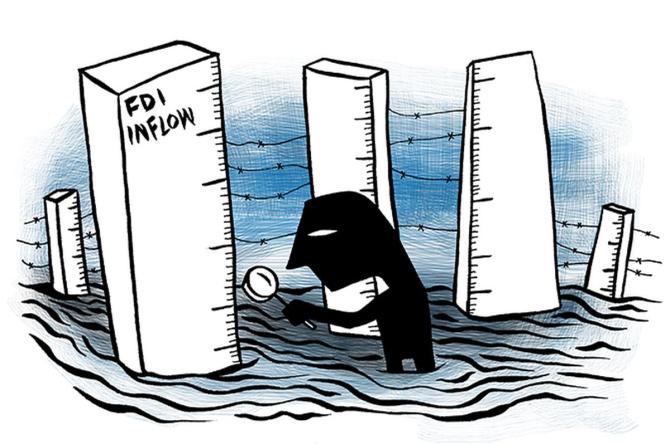
Japan's MUFG to invest $4.4 billion for 20% stake in Shriram Finance
MINT· 2025-12-19 06:47
Investment Overview - Mitsubishi UFJ Financial Group (MUFG) plans to invest ₹39,618 crore ($4.4 billion) for a 20% stake in Shriram Finance Ltd, marking a significant cross-border transaction in 2023 [1] - The investment will be executed through a preferential issuance of equity shares [1] Financial Impact - The fund infusion is expected to enhance Shriram Finance's capital adequacy, strengthen its balance sheet, and provide long-term growth capital [2] - This collaboration aims to unlock synergies in technology, innovation, and customer engagement, driving sustainable growth and improving access to low-cost liabilities [2] Market Context - MUFG's investment adds momentum to financial services activities in the Indo-Japan corridor, following notable transactions such as Mizuho's investment in Avendus and Sumitomo Mitsui Banking Corp's stake acquisition in Yes Bank [4] - Shriram Finance shares traded at ₹868, reflecting a nearly 49% increase this year, with the purchase occurring at a valuation premium of about 21.5% to the current market capitalization [5] Company Background - Shriram Finance is India's second-largest non-banking finance company, managing assets of approximately ₹2.81 trillion as of September [8] - The company has undergone several strategic changes since its establishment in 1979, including mergers and investments from private equity firms [9][10] Recent Performance - Shriram Finance reported total income of ₹41,859.47 crore in FY25, up from ₹34,997.61 crore the previous year, with net profit increasing to ₹9,761 crore from ₹7,190.48 crore in FY24 [14]
Founder Pitti leads $17.5 mn round at Optimo; Blume, Omnivore participate
MINT· 2025-10-28 08:31
Company Overview - Optimo Capital, a loan-against-property lender, has raised $17.5 million in a funding round led by founder Prashant Pitti, with participation from Blume Ventures and Omnivore [1] - The company has also secured nearly $12.5 million in debt from IDFC Bank and Axis Bank, bringing total equity fundraising to $27.5 million [1] Target Market - The company focuses on medium and small business entrepreneurs in tier-2 and tier-3 cities in India, providing loans against commercial or residential property as collateral, typically at lower rates than unsecured loans [2] Expansion Plans - The new funds will be utilized to expand the company's presence, aiming to establish operations in six more cities by the end of the fiscal year, targeting a total of 80 branches [3] - Currently, Optimo Capital operates in 56 cities across Karnataka, Tamil Nadu, Telangana, Andhra Pradesh, and Madhya Pradesh, with plans to expand into northern and western India [3] Financial Goals - Optimo Capital's assets under management currently stand at ₹350 crore, with a target of reaching ₹700 crore by the end of FY26 [4] Competitive Landscape - Traditional banks like HDFC Bank, State Bank of India, ICICI Bank, and Axis Bank have historically provided loans against property, while startups like InCred, Kishht, Money View, and Electronica Finance Ltd. are also entering this space [4] Technology Integration - A portion of the new capital will enhance the company's technology infrastructure, particularly its AI capabilities, utilizing 7.7 million digital land records to expedite loan disbursement [5] - The company employs an AI agent to assist potential borrowers in quickly assessing the construction value of their homes, facilitating faster loan processing [5] Market Growth - The loan against property segment is projected to grow at a 15.34% CAGR, making it the fastest-growing segment in India's home mortgage market according to market researcher Mordor Intelligence [6] Challenges - Experts highlight low awareness of loan products among commercial borrowers as a barrier to scaling for NBFCs, particularly in tier-2 and tier-3 cities [7] - Challenges include high monitoring and collection costs due to borrowers being spread across smaller towns and reliance on cash-based business practices, as well as risks of fraud related to documentation and financial reporting [7] Founder Background - Prashant Pitti, the founder of Optimo Capital, previously co-founded the online travel company EaseMyTrip, which went public in 2021. He announced Optimo Capital in 2023 after raising $10 million in seed funding from Blume and Omnivore [7]

Lowest gold loan interest rates in 2025: Compare rates from SBI, PNB, HDFC Bank, ICICI Bank and others
The Economic Times· 2025-10-08 07:42
Core Insights - A gold loan is a financial product where individuals can borrow money against their gold jewelry, with the amount determined by the purity and weight of the gold [1][5] Interest Rates - As of October 2025, interest rates for gold loans vary across different banks and financial institutions in India, with public sector banks offering rates from 8.35% to 10.50%, while private sector banks range from 9.00% to 10.50% [1] Acceptable Gold Items - Only gold ornaments with a purity of 18 to 22 karats and bank-minted coins (24 karats) up to 50 grams per customer are acceptable for gold loans [2][5] - Items such as gold-plated jewelry, imitation jewelry, and gold bars are not accepted by reputable lenders [4][5] Loan Amount Determination - The loan amount is based on the purity of gold (measured in karats) and net weight, with loans not offered against primary gold (24-carat gold bars and biscuits) [5][4] Repayment Options - Various repayment options are available, including EMI-based repayment, bullet repayment for 3, 6, and 12 months, and an overdraft facility [6]
JSW One to ramp up MSME loans, expand distribution with latest funding round
MINT· 2025-10-06 15:51
Core Insights - JSW One Platforms announced a ₹575-crore fundraise aimed at underwriting more inventory loans and growing its loan book five times to ₹500 crore by the end of this year [1][3] Fund Utilization - Approximately half of the raised capital will be allocated to capitalize its in-house non-banking financial company (NBFC), JSW One Finance Limited, while the remainder will be used to scale up JSW One Platforms and expand distribution channels [2] Loan Disbursement - Over a third of orders on JSW One Platforms utilize credit, resulting in monthly disbursals of ₹475-500 crore in 60-90-day inventory funding loans, primarily underwritten by partner banks and NBFCs [3] Investment and Valuation - The ₹575 crore was raised from various investors, including the State Bank of India and Principal Asset Management, with a cumulative equity raise of ₹1,120 crore, and a valuation of $1 billion during a previous round in May [4] Role in MSME Financing - The growing NBFC arm is expected to play a crucial role in bridging the working capital gap for micro, small, and medium enterprises (MSMEs) [5] Business Model - JSW One Platforms operates as a full-stack solution provider for MSMEs in manufacturing and construction, with 82% of its e-commerce business derived from manufacturing [6] Gross Merchandise Value (GMV) - The company reported a GMV of ₹12,567 crore in FY25, a 240% increase from the previous year, and anticipates surpassing ₹8,000 crore in GMV in the first half of FY26, reflecting a 50% growth [7] Future Plans - The company aims to break even by the end of the current financial year and plans to go public by FY28 [7] Industry Context - JSW One Platforms is part of a growing cohort of conglomerate-led B2B e-commerce platforms, alongside ventures from Aditya Birla Group, Larsen & Toubro, and Tata Group [8]