
Physical Stores

Search documents
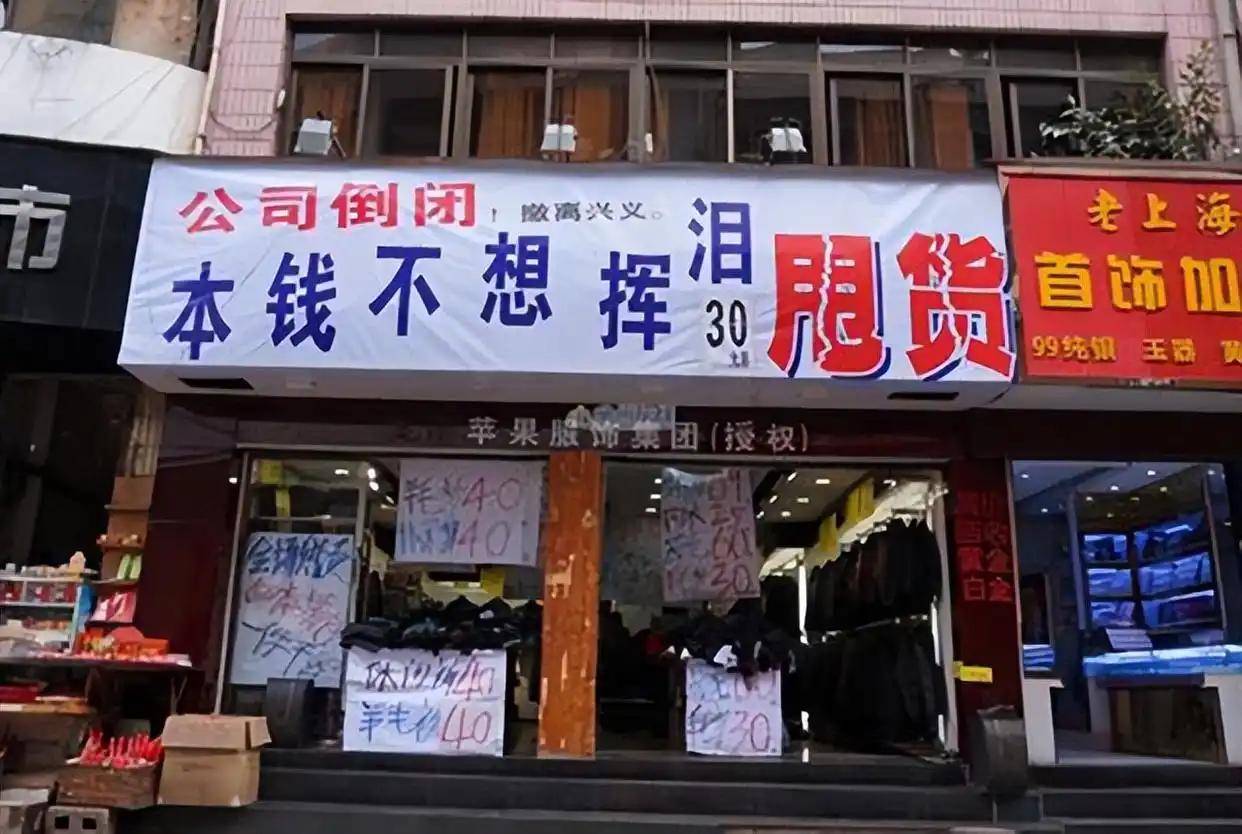
活下去才是当务之急,到处是旺铺转让,实体店的未来呢?
Sou Hu Cai Jing· 2026-02-20 23:18
Core Viewpoint - The retail industry, particularly physical stores, is facing significant challenges due to the rise of e-commerce, high rental costs, and changing consumer habits, leading to a decline in business performance [1][3][5] Group 1: Current Challenges - Many physical stores are struggling, with signs of "store transfer" and "discount promotions" becoming common, indicating a bleak business environment [1] - The pandemic and high rental costs are seen as contributing factors, but the primary issue is the overwhelming competition from e-commerce, which has captured over half of the market share [3] - Young consumers prefer online shopping due to lower prices, convenience, and policies like "no reason for return," which further diminishes the appeal of physical stores [5] Group 2: Survival Strategies - The primary challenge for physical stores is to find ways to survive in a market dominated by e-commerce [7] - Physical stores can leverage their unique advantages, such as providing a better shopping experience where customers can try on clothes and avoid the hassle of returns [9] - Highlighting distinctive features, such as offering comprehensive after-sales services in sectors like home appliances, can help physical stores maintain their relevance against online competitors [9] Group 3: Innovation and Adaptation - Embracing innovation and exploring new business models, such as the O2O (Online to Offline) approach, is crucial for the sustainable development of physical stores [10] - Some retailers are successfully integrating online and offline strategies by using social media to engage with customers, allowing them to order online and pick up in-store, thus revitalizing their business [10]


大家发现了吗?实体店关闭越来越多,降低租金也没人接盘,到底咋回事?
Sou Hu Cai Jing· 2026-02-08 17:31
Core Insights - The decline of physical retail stores is a significant trend, with many once-thriving businesses closing down due to changing consumer habits and the rise of e-commerce [1][10] - The shift towards online shopping has drastically altered the commercial landscape, leading to a decrease in foot traffic and sales for brick-and-mortar stores [2][12] Group 1: Rental Costs and Business Viability - Rental costs for prime locations used to range from 8,000 to 15,000 yuan per month, but many landlords are now lowering rents to attract tenants, with some shops available for as low as 2,000 yuan [2][5] - Despite lower rents, many store owners are struggling to maintain profitability, with one example showing a drop in monthly revenue from 30,000 to 6,000 yuan over five years [4][5] - The high initial costs of opening a physical store, including renovation and inventory, make it difficult for new businesses to break even, especially when compared to the lower startup costs of e-commerce [5][9] Group 2: Changing Consumer Behavior - E-commerce is projected to account for over 40% of China's total retail sales by 2024, further diminishing the customer base for physical stores [2][9] - Consumers increasingly prefer the convenience of online shopping, often using physical stores for browsing before purchasing online, a phenomenon known as "showrooming" [4][10] - The rise of technology, such as virtual fitting rooms and easy return policies, has reduced the need for in-store experiences, further impacting physical retail [8][12] Group 3: Market Dynamics and Competition - The traditional supply chain has been disrupted by e-commerce, allowing manufacturers to sell directly to consumers, which lowers prices and increases competition for physical retailers [8][12] - The uneven population growth across cities has led to a shrinking consumer market in some areas, making it difficult for physical stores to thrive [6][9] - The overall vacancy rate for commercial real estate is rising, with some shopping centers experiencing vacancy rates exceeding 20% to 30% [9][10] Group 4: Adaptation and Future Prospects - Successful physical stores are increasingly adopting an omnichannel approach, integrating online and offline sales to attract customers [12][13] - There is potential for certain types of physical businesses, such as community convenience stores and experiential venues, to thrive by offering unique experiences rather than just products [12][13] - The necessity for physical stores to innovate and adapt to the changing market dynamics is critical for survival in the current retail environment [13]
你的门店还在“开环管理”?店长该如何打破僵局?
Sou Hu Cai Jing· 2026-01-15 10:18
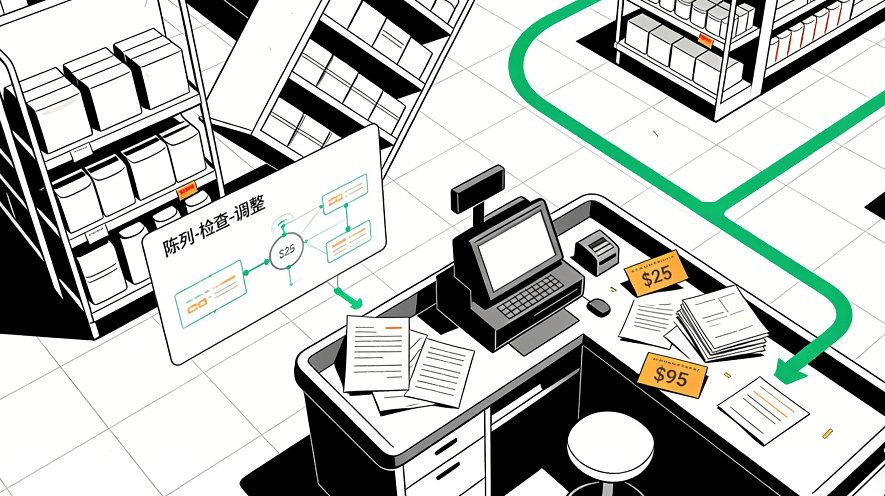
Core Insights - The article emphasizes the importance of transitioning from "open-loop management" to a closed-loop management system in retail stores to enhance operational efficiency and stabilize performance. Group 1: Characteristics of Open-Loop Management - Open-loop management is characterized by a lack of execution tracking and correction, leading to fragmented management processes [2] - Typical manifestations include unclear task assignments, where verbal instructions are not followed up, resulting in poor performance metrics like low product sales and member conversion rates [3] - Data monitoring is superficial, focusing only on basic metrics without in-depth analysis, which prevents proactive risk management [4] - Customer service is transactional, lacking follow-up and personalized engagement, leading to high customer acquisition costs and low retention rates [5] Group 2: Key Strategies for Building Closed-Loop Management - To address open-loop issues, retailers should establish a comprehensive closed-loop system focusing on task execution, data review, and customer retention [6] - Implementing a process loop involves converting verbal instructions into standardized procedures with clear accountability and follow-up mechanisms [7] - A data loop should focus on key performance indicators, with regular analysis and targeted optimizations based on weekly reviews [8] - A customer loop should involve identifying, recording, and maintaining customer relationships, ensuring follow-up actions to enhance customer loyalty [9] Group 3: Practical Techniques for Implementing Closed-Loop Management - Simplifying tools and using basic systems like Excel can help reduce execution costs and facilitate task tracking and customer information management [12] - Clearly defining roles and responsibilities can prevent blame-shifting and ensure accountability in executing closed-loop actions [13] - Gradually improving the system by focusing on core areas first, such as task execution, followed by data review and customer management, can enhance feasibility [14] Conclusion - The core of effective store management lies in being proactive rather than reactive, shifting from chaotic open-loop management to a cohesive closed-loop system that fosters collaboration and drives performance improvement [15]
活下去才是当务之急,处是旺铺转让,实体店的未来呢?
Sou Hu Cai Jing· 2025-10-25 06:15
Core Viewpoint - The physical retail sector is facing significant challenges, primarily due to the rise of e-commerce, high rental costs, and changing consumer habits, leading to a decline in foot traffic and sales [1][3][5]. Group 1: Challenges Facing Physical Retail - The prevalence of "store transfer" signs and discount promotions indicates a struggling physical retail environment [1] - The COVID-19 pandemic and high rental costs are seen as contributing factors, but the main issue is the dominance of e-commerce, which has captured over half of the market share from physical stores [3] - Young consumers' preference for online shopping, along with the convenience and price advantages offered by e-commerce, further exacerbates the decline of physical stores [5] Group 2: Opportunities for Physical Retail - Physical stores can leverage their unique advantages in consumer experience, such as the ability to touch and try products, which e-commerce cannot replicate [7][8] - Some physical stores, particularly in the home appliance sector, continue to thrive due to the added value of professional installation and after-sales service, which online retailers struggle to provide [10] - Embracing innovative business models, such as integrating online and offline sales (O2O), can help physical stores find new growth opportunities and enhance customer interaction [10]
