Solar Installation

Search documents
Powell Max Limited Signs Non-Binding Letter of Intent to Acquire The Boston Solar Company
Globenewswire· 2026-03-23 12:30
Core Viewpoint - Powell Max Limited has signed a non-binding Letter of Intent to acquire The Boston Solar Company for a transaction valued at $9.0 million, which includes the assumption of up to $7.0 million in debt [1][2]. Company Overview - Powell Max Limited is a financial communications services provider headquartered in Hong Kong, with a U.S. subsidiary in Delaware and corporate staff in Boca Raton, Florida. The company offers a range of financial communications services to support capital market compliance and transaction needs for corporate clients [9]. - Boston Solar is a vertically-integrated regional EPC solar installer focused on Massachusetts and the broader New England area, providing a complete solar system solution from financing to design and installation [3]. Financial Performance - Boston Solar reported a 22% increase in revenue for 2025, reaching $24 million, with an adjusted net income of $2 million based on unaudited management accounts [4]. Strategic Intent - The acquisition of Boston Solar is part of Powell Max's growth strategy, aiming to capitalize on rising energy demand in the U.S. and to diversify and expand its operations [5]. - Following the acquisition, Powell Max plans to provide Boston Solar with up to $20 million in working capital to support geographic expansion and pursue additional acquisitions in the solar installation industry [2][5]. Management and Leadership - Boston Solar is led by President Mike Morlino, a distinguished U.S. Navy SEAL veteran, who has a background in operational improvement projects [7]. - Powell Max intends to retain the current senior management team of Boston Solar after the acquisition [6].
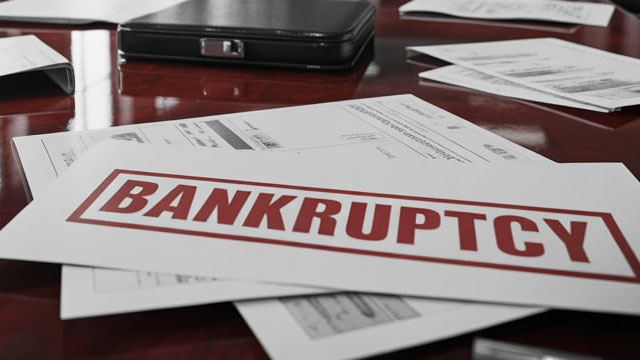
More than 700 US companies went bankrupt in 2025 — a 14% jump from last year
New York Post· 2025-12-29 18:02
Bankruptcy Trends - Corporate bankruptcies in the US have reached levels not seen since the Great Recession, with at least 717 companies filing for bankruptcy through November 2025, marking a 14% increase from the previous year and the highest total since 2010 [1] Affected Companies - Notable bankruptcies include pharmacy chain Rite Aid, genetics testing firm 23andMe, fast-casual dining spot Hooters, and no-frills carrier Spirit Airlines [2] Driving Factors - The surge in bankruptcies is attributed to a combination of persistent cost pressures, tight credit conditions, and aggressive trade policies that have increased the price of imported materials and disrupted global supply chains [3][11] - Industrial companies are experiencing the most significant distress, a shift from previous years when consumer retailers dominated bankruptcy filings [4] Sector Analysis - Manufacturers, construction firms, and transportation providers now represent the largest share of new bankruptcy filings, contrasting with recent trends where consumer-facing companies were more prevalent [4] - The manufacturing sector lost over 70,000 jobs in the year ending in November, despite claims that tariff strategies would boost domestic production [4] Consumer Behavior - Consumer-facing companies selling discretionary goods are also facing increased bankruptcy filings, indicating that inflation is causing Americans to reduce nonessential spending [8] - Retailers in sectors like fashion and home décor are particularly vulnerable as consumers prioritize essential expenses [8] Bankruptcy Types - The filings include both Chapter 11 reorganizations, which allow companies to restructure while operating, and Chapter 7 liquidations, which typically result in shutdowns and asset sales [9] Mega Bankruptcies - There has been a notable increase in "mega bankruptcies," with 17 companies having more than $1 billion in assets filing for bankruptcy in the first half of 2025, the highest in any six-month period since the COVID-19 crisis [10] Tariff Impact - Tariffs on steel, components, and energy-related equipment have severely impacted manufacturers and suppliers, with effective tariff rates on imported solar cells and panels rising to about 20% from less than 5% in prior years [15] - Smaller companies are particularly strained by these tariffs, which have led to significant cash flow issues [16] Specific Company Cases - Solar installer PosiGen filed for Chapter 11 in November due to the rollback of federal clean-energy incentives and new tariffs on imported solar equipment [12] - Electric truck maker Nikola filed for Chapter 11 in February after struggling with production scaling and costs related to a battery recall, alongside facing a $125 million civil penalty from the SEC [17]