《哪吒之魔童闹海》《浪浪山小妖怪》《罗小黑战记2》《白蛇:浮生》《聊斋:兰若寺》《三国的星空第一部》

Search documents
动画照进现实!这个假期,奔赴电影同款取景地
Yang Shi Xin Wen· 2025-10-02 02:05
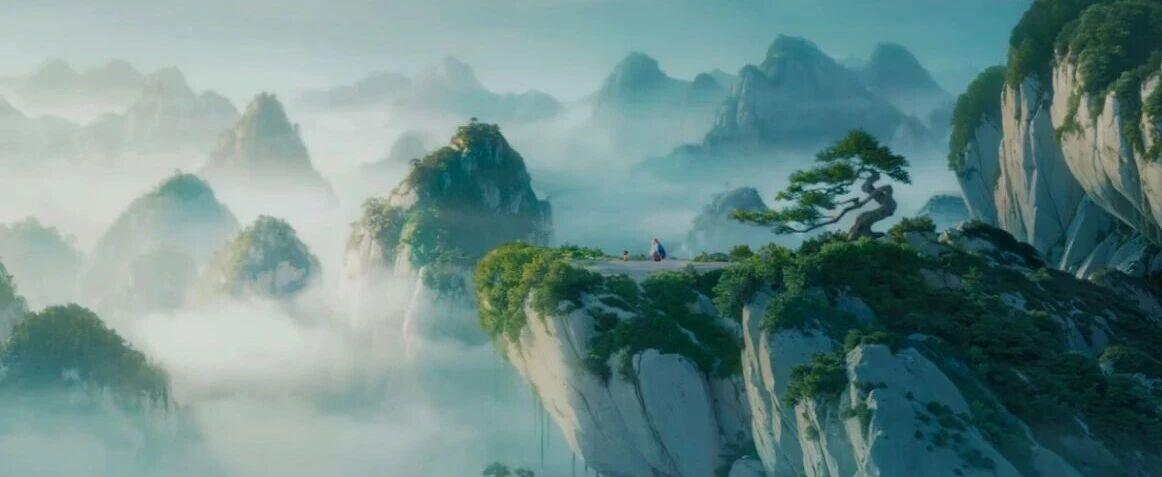
Core Viewpoint - The article highlights the flourishing of Chinese cinema, particularly focusing on the success of animated films and their connection to real-life travel destinations, encouraging audiences to explore these locations inspired by movies [1]. Group 1: Domestic Animated Films - The article emphasizes the dual success of Chinese animated films in terms of both critical acclaim and box office performance, with specific mention of films like "Ne Zha" and "White Snake" [1]. - The trend of "film + cultural tourism" is gaining popularity, with initiatives like CCTV's "Travel with Movies" series promoting visits to filming locations [1]. Group 2: Scenic Inspirations from "Ne Zha" - The film "Ne Zha" draws inspiration from real locations, such as Chen Tang Guan, which is modeled after the picturesque landscapes of Guilin, including karst mountains and terraced fields [2][7]. - The animation team spent over two months gathering elements from Guilin's natural beauty to create a stunning visual representation in the film [2]. - The film also incorporates cultural elements, such as the legend of Ne Zha's rebirth, linked to the scenic Qian Yuan Mountain in Sichuan [12][14]. Group 3: Cultural Artifacts in Animation - The film features characters inspired by historical artifacts, such as the cute "boundary beasts" reflecting the bronze masks from the Sanxingdui Museum in Sichuan [20][22]. - The seven-colored lotus, a significant artifact in the film, is based on the Western Han bronze incense burner from Hebei, showcasing the blend of animation and historical culture [25]. Group 4: Other Animated Films and Their Inspirations - "White Snake: The Origin" showcases romantic elements from Hangzhou and fantastical landscapes from Zhangjiajie, enhancing the film's appeal [46][54]. - "Chat Records: Lan Ruo Temple" integrates the natural beauty and cultural heritage of Shandong, with specific references to Qingdao's Laoshan and Jinan's Lingyan Temple [58][66]. - "The Three Kingdoms: The Starry Sky Part One" aims to authentically recreate the historical essence of the Han Dynasty through detailed references to archaeological findings from the ancient capital of Luoyang [73][74].