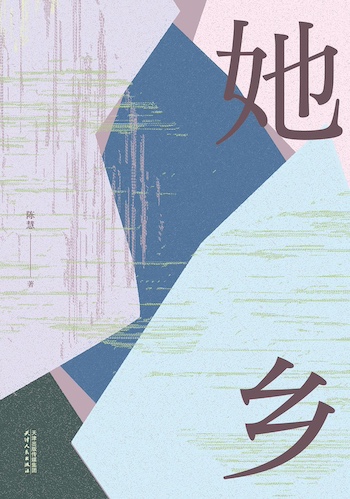
《她乡》

Search documents
与生活深沉对望
Xin Lang Cai Jing· 2026-01-12 23:09
Core Perspective - The article discusses the literary works of Chen Hui, emphasizing her deep connection to personal and collective memories, as well as her exploration of ordinary lives and social issues through her writing [3][4][5]. Group 1: Themes in Chen Hui's Writing - Chen Hui's writing is rooted in her personal history and collective rural memories, reflecting on her childhood experiences and the emotional weight of her upbringing [3]. - The theme of "hometown" in her works symbolizes modern individuals' spiritual dislocation, capturing the tension between personal identity and societal expectations [4]. - Her detailed recollections of traditional food preparation serve as anthropological records, preserving a way of life that is rapidly disappearing in contemporary society [4]. Group 2: Social Commentary - Chen Hui uses the bustling atmosphere of markets as a lens to observe society, focusing on the lives of ordinary people rather than extraordinary events [4][5]. - The exploration of women's roles within the family structure reveals the complexities of their experiences, highlighting issues such as loss of autonomy and the emotional toll of unfulfilling marriages [5]. - Despite the critical examination of traditional family dynamics, Chen Hui also portrays resilience and empowerment among women, showcasing their journeys towards self-discovery and strength [5]. Group 3: Philosophical Approach to Life and Writing - Chen Hui advocates for a philosophy of living meaningfully in the present, emphasizing the importance of enjoying simple pleasures and staying true to oneself [6]. - Her writing is characterized by a non-utilitarian approach, which allows for a rare purity and strength in her literary expression [5][6]. - The essence of her work lies in the dignity and determination of her characters, who embody the instinct to move forward despite life's challenges [5].

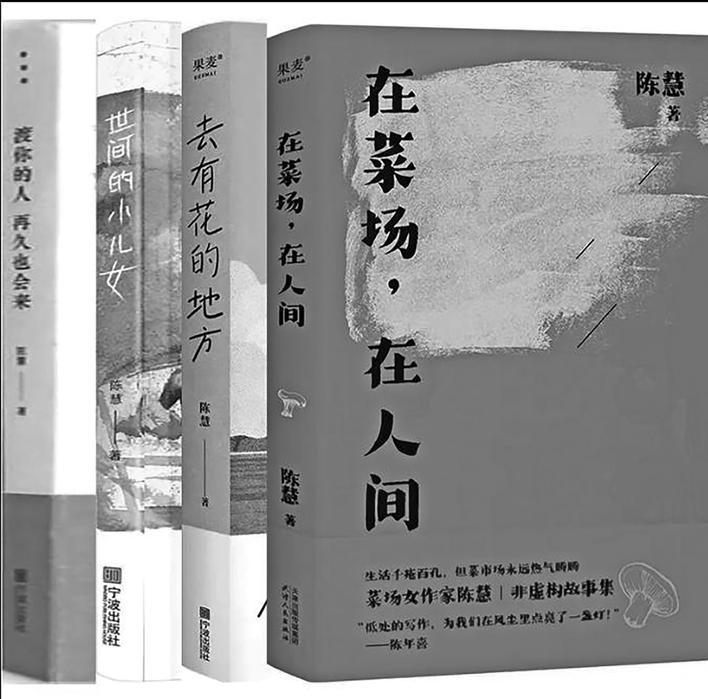
当文学为生活世界掌灯 普通人的写作疗愈了谁?
Xin Lang Cai Jing· 2025-12-25 18:25
Core Viewpoint - The rise of ordinary people's writing is transforming literature into a more accessible and relatable form, creating a vibrant emotional community that reflects real-life experiences and struggles [1][4][6]. Group 1: Ordinary Writers and Their Impact - Ordinary individuals like Xiao Damei and Li Wenli are gaining recognition for their writing, which captures the essence of their life experiences and struggles, thus enriching the literary landscape [1][3]. - The emergence of new authors, such as "takeout poet" Wang Jibing and "miner poet" Chen Nianxi, signifies a shift where personal narratives are becoming increasingly visible and valued in the literary world [3][4]. - The publication of works by ordinary writers, such as the "Diary of a Real Estate Salesperson" and "Diary of a Bank Employee," highlights the resilience and determination of individuals facing life's challenges [3][4]. Group 2: Cultural Shift in Literature - The transition from professional writers to ordinary individuals sharing their stories marks a significant cultural shift, where the barriers between the two are diminishing [4][5]. - Internet platforms have democratized writing, allowing personal narratives to enter public discourse, thus fostering a new creative ecosystem where readers actively engage with these stories [4][5]. - The literary scene is expanding beyond traditional forms, with various media like stand-up comedy and short videos resonating with contemporary audiences, indicating a broader definition of literature [6][7]. Group 3: Healing and Expression through Writing - Writing serves as a therapeutic tool for many, allowing individuals to process their pain and experiences, which can lead to emotional healing [6][7]. - The act of writing is portrayed as a fundamental human need, providing a means to explore and express one's inner life amidst external challenges [7]. - The narratives produced by ordinary writers not only document their struggles but also inspire others to find hope and resilience in their own lives [5][6].
“菜场女作家”书写村镇女性的故事|国庆书摘
Di Yi Cai Jing· 2025-10-07 02:49
Core Viewpoint - The article presents a narrative about the life and struggles of women in a small Chinese town, focusing on the character of Pinmei, who reflects on her life experiences and the concept of fate in her cross-province marriage [1][5]. Group 1: Life Experiences - Pinmei's family background is marked by hardship, with her parents raising three sons and four daughters during a difficult period in Chinese history, leading to her survival being described as a matter of fate [6][11]. - Pinmei's early life was filled with challenges, including severe health issues and the loss of her mother at a young age, which forced her to take on adult responsibilities early [7][12]. - The narrative highlights the struggles of her family, particularly her mother's relentless efforts to provide for the family despite dire poverty, ultimately leading to her mother's untimely death [9][11]. Group 2: Marriage and Family Dynamics - Pinmei's marriage to Peng Dayu was influenced by her father's desire for her to have a better life, leading to her relocation to Zhejiang, where she faced new challenges [15][16]. - The relationship dynamics within her new family are complex, with conflicts arising between Pinmei and her sister-in-law, reflecting traditional family roles and expectations [14][13]. - Pinmei's role as a wife and mother is characterized by her determination to improve her family's living conditions, leading her to take on various jobs and responsibilities [17][20]. Group 3: Economic Struggles and Resilience - Pinmei's transition from factory work to becoming a vendor in the local market illustrates her adaptability and entrepreneurial spirit, as she navigates economic challenges to support her family [18][22]. - The narrative emphasizes the importance of hard work and resourcefulness, as Pinmei engages in various businesses, including selling seasonal produce and homemade goods, to sustain her family [25][26]. - Despite facing setbacks, such as financial losses and health issues within the family, Pinmei's resilience shines through as she continues to strive for a better life for her children [19][27].