《巴黎协定》

Search documents
“没有美国”的世界渐成现实
日经中文网· 2026-01-09 07:31
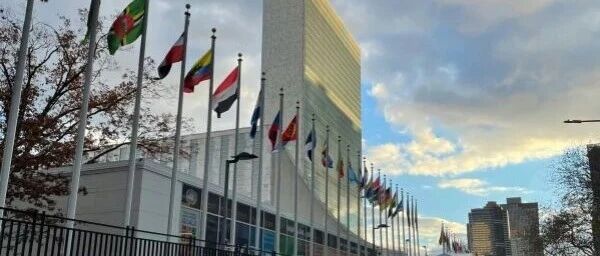
Core Viewpoint - The article discusses the significant shift in U.S. foreign policy under President Trump, emphasizing a move away from multilateralism and international cooperation, as evidenced by the decision to withdraw from 66 international organizations and treaties, including the United Nations Framework Convention on Climate Change [2][4]. Group 1: U.S. Withdrawal from International Organizations - On January 7, President Trump directed the U.S. government to initiate withdrawal from 31 UN agencies and 35 other international organizations, highlighting a clear departure from multilateralism [4]. - The withdrawal includes key agreements such as the United Nations Framework Convention on Climate Change, which is foundational for global climate response mechanisms [5]. - The U.S. will also exit the Intergovernmental Panel on Climate Change (IPCC), which plays a crucial role in assessing scientific knowledge on climate change [5]. Group 2: Implications of U.S. Withdrawal - The U.S. withdrawal from these organizations may lead to funding shortages, as seen with the World Health Organization (WHO), which is facing significant staff cuts due to loss of funding [5]. - The potential for reduced international cooperation raises concerns about global crisis response capabilities, particularly in the context of infectious disease outbreaks [5]. - The U.S. State Department is conducting a comprehensive review of its relationships with international organizations, suggesting that further withdrawals may occur in the future [5]. Group 3: China's Position in the International Landscape - In the absence of U.S. leadership, China is positioning itself to take a more prominent role in international organizations, potentially becoming the largest contributor to the WHO [8]. - The article notes that the dissatisfaction within the U.S. regarding the returns on its investments in international institutions has fueled this shift towards unilateralism [8]. - The Trump administration's strategy emphasizes military and economic strength to pressure other nations, indicating a preference for bilateral negotiations over multilateral agreements [8].