
《建国大业》

Search documents
新潮观鱼对话黄建新:电影回到了99%的人手里,这是导演们的挑战
Guan Cha Zhe Wang· 2025-09-27 07:14
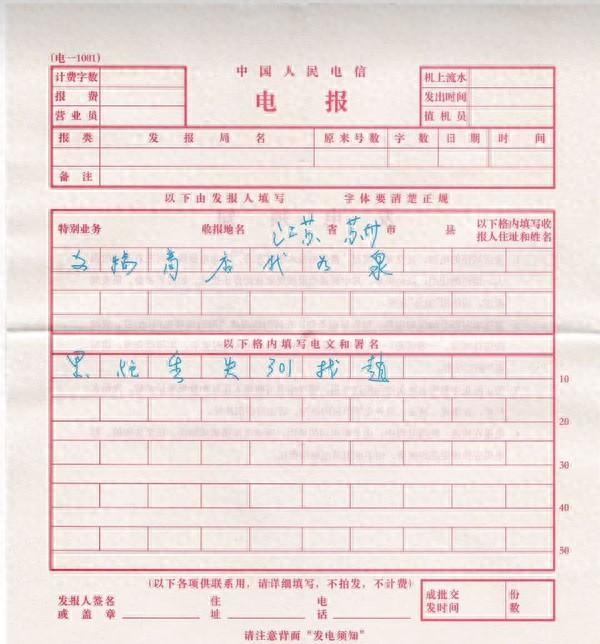
Core Viewpoint - The article discusses the significance of the 1985 film "The Black Cannon Incident" as a pioneering work in Chinese cinema, reflecting the cultural and artistic evolution of the industry over the past 40 years [1][2][4]. Group 1: Historical Context and Impact - "The Black Cannon Incident" is considered a milestone in Chinese cinema, showcasing bold themes and innovative storytelling that resonate with contemporary audiences [2][4]. - The film faced initial censorship challenges but was ultimately approved due to the efforts of influential figures in the industry, highlighting the struggles of filmmakers during that era [2][4]. - The film's director, Huang Jianxin, is recognized for his contributions to the development of Chinese cinema, paralleling the industry's growth from the 1980s to the present [4][19]. Group 2: Artistic Exploration and Themes - The film explores themes of miscommunication and the absurdity of bureaucracy, using humor and structuralism to critique societal norms [1][4][19]. - Huang Jianxin's works, including "The Black Cannon Incident," reflect a diverse range of artistic expressions that emerged during the reform era, marking a departure from previous revolutionary themes [11][19]. - The dialogue surrounding the film indicates a renewed interest in classic cinema, with younger audiences engaging in discussions about its relevance to modern issues [11][19]. Group 3: Industry Evolution and Challenges - The Chinese film industry has undergone significant changes, transitioning from state-controlled productions to a more market-driven environment, impacting the types of films being produced [28][40]. - The current market dynamics present challenges for filmmakers, including financial pressures and the need to balance artistic integrity with commercial viability [28][50]. - Huang Jianxin emphasizes the importance of maintaining artistic ideals in the face of market demands, suggesting that the essence of filmmaking should not be compromised [28][50].

坚守艺术理想 不负时代使命——习近平总书记给8位电影艺术家回信激励全国电影工作者为繁荣发展文艺事业作出新贡献
Xin Hua She· 2025-07-11 15:44
Core Viewpoint - The letter from General Secretary Xi Jinping to eight artists emphasizes the importance of cultural confidence and the need for filmmakers to create works that reflect the spirit of the times and the voices of the people [1][2][3]. Group 1: Expectations from Film Workers - Film workers are encouraged to embody the values of "崇德尚艺" (promoting virtue and artistry) and to create high-quality artistic works that resonate with the public [1][2]. - Artists like Tian Hua express their commitment to follow Xi Jinping's guidance, aiming to inspire others in the industry to serve the people through their art [1][2]. Group 2: Importance of Life as a Source of Inspiration - The letter highlights that life is an inexhaustible source for artistic creation, urging filmmakers to draw inspiration from real-life experiences [3][4]. - Wang Xingdong, a screenwriter, emphasizes the need to deeply engage with life to create compelling narratives, reflecting the call to "扎根生活沃土" (root in the soil of life) [3][4]. Group 3: Commitment to Quality and Cultural Development - Filmmakers are reminded of their responsibility to produce works that are worthy of the times and the people, contributing to the development of a strong cultural nation [4][5]. - The film industry is encouraged to adapt to audience needs and transform cinema into a cultural space that promotes advanced culture and Chinese stories [5]. Group 4: Collective Responsibility and Future Goals - The letter serves as a motivational force for the film industry, with leaders like Chen Daoming stating that it sets a clear direction for the future of Chinese cinema [5]. - There is a collective commitment among filmmakers to maintain creative enthusiasm and produce works that reflect the voices of the people and the spirit of the times [5].