《文明的进程》

Search documents
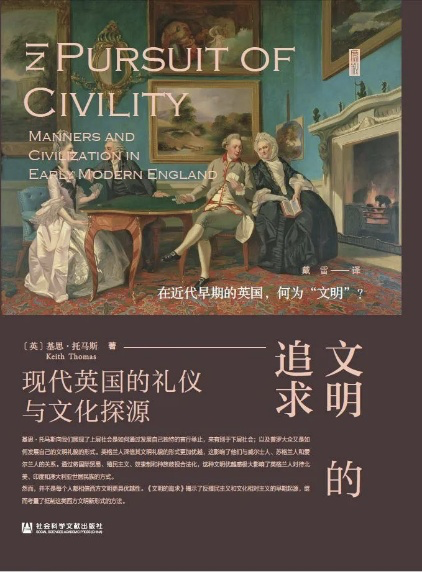
维舟:“文明”究竟意味着什么|新春阅读
Di Yi Cai Jing· 2026-02-17 09:08
Group 1 - The concept of "civilization" is formed through shared experiences within a community, and only those who are part of it can deeply understand its significance [1][2] - The modern understanding of "civilization" has been challenged, with behaviors once deemed unacceptable now being openly practiced, indicating a regression in civilized norms [1] - The historical evolution of "civilization" reflects a long process of social development, where the term "civilization" only emerged in English in 1772, previously referred to as "civility" [7] Group 2 - The spread of "civilized etiquette" is often believed to start from the upper classes and gradually permeate downwards, but commercial activities have significantly accelerated this process [8] - The interdependence of individuals in society fosters self-control and politeness, as the need for goodwill among various social actors increases with market competition [8] - The emergence of modern sports is linked to the civilization process, as it requires the control of violence and the establishment of rules for non-violent competition [13][14] Group 3 - The treatment of vulnerable groups is a reliable indicator of a society's level of civilization, with modern animal protection emerging as a reflection of humanitarian values [17][18] - Historical context plays a crucial role in shaping contemporary actions and beliefs, as new ideas often draw from existing traditional resources [18] - The understanding of "civilization" has evolved over time, particularly after the World Wars, where it shifted from elite etiquette to encompass human dignity and basic rights [21][22]

现代体育和休闲,被用来应对 “文明化进程”的过度压抑
Di Yi Cai Jing· 2025-05-23 02:45
Core Viewpoint - The evolution of competitive sports in the digital age reflects a shift in societal norms, where self-restraint and emotional control are emphasized from a young age, contrasting with past eras where such constraints were less prevalent [1][9]. Group 1: Changes in Competitive Sports - The experience of watching sports has transformed with more broadcasting options and portable tools, yet the communal experience of attending live events remains unparalleled [1]. - Football, as the leading sport, represents not just a team of players but an entire community, encompassing national, regional, and local identities [1][2]. Group 2: Sociological Insights - Norbert Elias, a prominent sociologist, emphasized the importance of group identity in sports, suggesting that the collective interest of a community often outweighs individual player interests [2][4]. - Elias's theories on "inclusion" and "exclusion" highlight the complex relationship between individuals and society, where personal identity is often overshadowed by group affiliation [5][6]. Group 3: Theoretical Contributions - Elias's work, particularly "The Civilizing Process," explores how social order is established through individual self-restraint and emotional regulation, linking societal norms to personal behavior [6][7]. - The concept of hidden social order is discussed, where even in chaotic environments, an underlying structure exists that governs individual actions [6][7]. Group 4: Leisure and Sports Sociology - Elias's later research focused on leisure and sports sociology, identifying the tension between the need for emotional release in sports and the necessity of maintaining control over those emotions [8]. - The historical analysis of sports, such as the Olympic Games and fox hunting, provides context for understanding the evolution of modern sports and their societal implications [8][9].