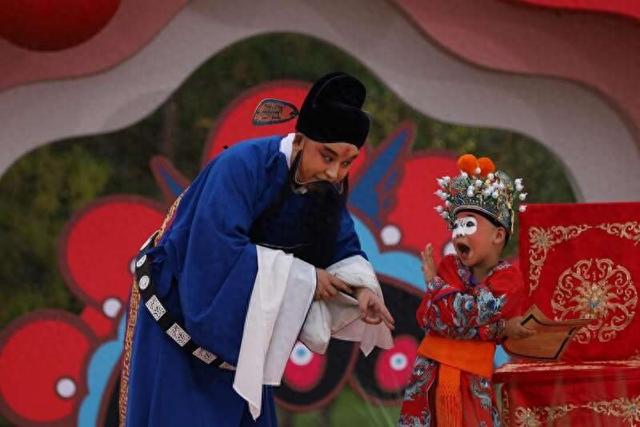
《雏凤新声——总台首届少儿戏曲大会》

Search documents
古老戏韵交融纯真童心 “雏凤新声”传梨园魅力
Xin Lang Cai Jing· 2026-01-11 11:01
Core Viewpoint - The children's opera program "Chufeng New Voice - The First Children's Opera Conference" has gained significant attention for its innovative approach to traditional culture, utilizing immersive learning to promote the inheritance of opera through engaging experiences and performances [1]. Group 1: Program Structure and Content - The program transforms traditional "oral transmission" into an interactive experience that allows participation, competition, and sensory engagement, focusing on the core elements of "reading skills" and "practical skills" [1]. - Real-life experience classrooms are created in historical sites like Taiyuan Ancient County and Jinci, integrating basic skill training into situational tasks [1]. Group 2: Teaching Methods and Innovations - In the "reading skills" segment, renowned opera artists use creative methods such as turning dialogue into fun Q&A sessions and teaching vocal techniques through "digital tongue twisters" [3]. - The "practical skills" training includes innovative exercises like endurance races and rhythm classes, incorporating traditional training wisdom into performance [3]. Group 3: Engagement and Impact - The program breaks the boundaries of traditional stages and classrooms, extending opera education into real-world spaces, allowing children to participate as "cultural ambassadors" in classic performances [3]. - The involvement of cross-disciplinary guests like Wanida and Ai Fojieni attracts younger audiences through interactive games and cultural activities, enhancing the program's influence among youth [5].

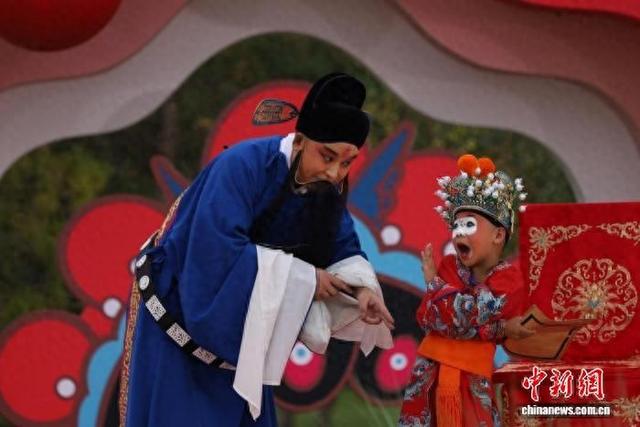
梨园魅力助力文化传承 总台首届少儿戏曲大会热播
Xin Lang Cai Jing· 2026-01-09 13:36
Core Viewpoint - The program "Chufeng Xingsheng - The First Children's Opera Conference" launched by China Central Radio and Television Station is gaining popularity, focusing on immersive learning to aid in the transmission of traditional opera through engaging children's performances [1]. Group 1: Program Structure and Content - The program transforms traditional "oral transmission" into an interactive experience that allows participation, competition, and sensory engagement [1]. - It emphasizes two core components: "Nian Gong" (reading skills) and "Zuo Gong" (performance skills), integrating basic training into situational tasks in historical locations like Taiyuan and Jinci [1]. - In the "Nian Gong" segment, renowned artists use creative methods such as turning dialogue into fun Q&A and teaching techniques through engaging activities [3]. Group 2: Innovative Training Methods - The "Zuo Gong" training incorporates creative elements, with exercises that blend traditional wisdom about practice with performance [5]. - The program breaks the boundaries of traditional stages and classrooms, extending opera education into real-world settings, enhancing the learning experience [7]. - Children participate as "cultural ambassadors," engaging in classic performances and interactive lessons led by notable figures from the opera community [8]. Group 3: Cross-Industry Collaboration - The involvement of contemporary artists as "assistant teachers" introduces new vitality to traditional opera, attracting younger audiences through interactive games and cultural activities [8]. - The program's influence among youth continues to rise, showcasing the successful integration of traditional art forms with modern engagement strategies [8].