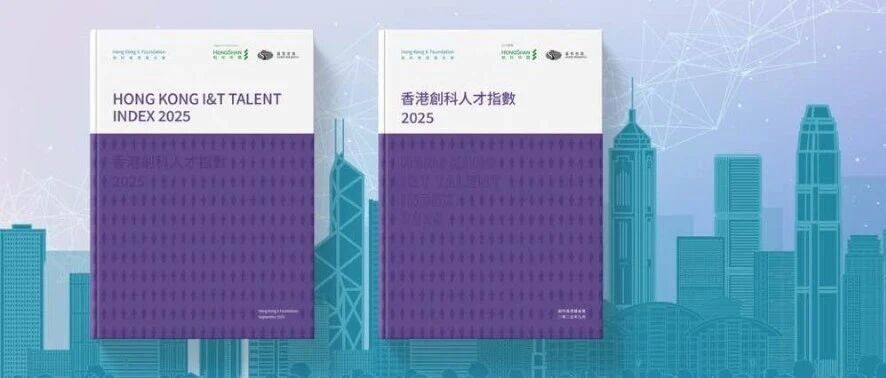
《香港创科人才指数2025》

Search documents
香港人才引进体系持续完善,调研指创科从业者规模稳步增长
Nan Fang Du Shi Bao· 2025-12-12 15:01
调查也发现,香港的人才供给端呈现"量质双升"态势。2023至2024学年度,创科类专业在校学生总数达 到大约6.2万人,相较于2021至2022学年度增长20%;2024年初创企业数目升至4694家,与2022年相比 增长18%,雇员人数共计约1.7万人。 该调查报告还指出,在人才载体层面,香港的以"三大创科园区"与"五大研发机构"为主体的发展格局正 逐渐形成。香港科技园、数码港与河套深港科技创新合作区香港园区构成核心载体,2023/2024年度科 技园工作人员数量达2.2万人,园区企业历史累计筹资额达920亿港元;数码港初创企业数量增至2000多 家,涵盖金融科技、人工智能等多领域。 当前香港的各项人才引进计划已见显著成效,为创科产业注入强劲动能;针对部分人才在港就业及生活 成本方面的顾虑,香港正以"人才为本"为核心,持续完善住房补贴、子女教育衔接等配套支持体系,通 过精细化服务巩固国际人才枢纽地位。 为持续跟踪香港创科人才发展现状、变化和趋势,为完善香港创新科技(以下简称"创科")生态建言献 策,红杉中国旗下创科公益机构——创科香港基金会HKX Foundation经过两年调研,发布了《香港创科 人才指数 ...
香港能不能把人才“流量”变“留量”?《香港创科人才指数 2025》重磅发布!
红杉汇· 2025-12-12 02:05
Core Insights - The "Shenzhen-Hong Kong-Guangzhou" innovation cluster ranks first globally in the latest Global Innovation Index 2025 by WIPO, highlighting the GBA's recognition as a top-tier innovation hub [2] - Hong Kong is increasingly becoming a focal point for innovation and technology talent, supported by robust research resources and a competitive salary structure [2][5] - The HKX Foundation has released the "Hong Kong Innovation and Technology Talent Index 2025," which tracks the evolution of the innovation ecosystem in Hong Kong over the past two years [2][3] Group 1: Talent Development and Ecosystem - The report identifies two key groups: academic entrepreneurs and "Talent Pass" holders, analyzing talent resources, carriers, effectiveness, and ecosystem [3][4] - Eight core findings illustrate a more vibrant atmosphere, a growing workforce, and richer outcomes in Hong Kong's innovation sector [3] - The index serves as a critical reference for policymakers and industry stakeholders, reflecting both achievements and challenges in talent development [3][6] Group 2: Talent Attraction and Retention - Hong Kong's talent attraction initiatives have seen significant success, with 274,000 applications approved in the past two years, including a 33% share from the "Talent Pass" program [21] - The government plans to optimize the "Talent Pass" policy further, expanding the list of eligible universities and extending visa durations to better match local development needs [21][24] - Challenges remain in retaining talent due to high living costs and educational concerns, with a need for a more diverse talent pool beyond the Greater China region [21][24] Group 3: Industry and Investment Opportunities - Hong Kong has successfully attracted 84 key enterprises, expected to bring around HKD 50 billion in investments and create over 20,000 jobs [24] - The focus on "new industrialization" aims to create a complete innovation ecosystem, addressing the gap between research and commercialization [27] - The financing landscape for innovation is evolving, with a shift from government reliance to a diversified support system, enhancing the attractiveness for startups and talent [35] Group 4: Collaboration and Innovation - The RAISe+ initiative has fostered collaboration between academia and industry, although execution challenges remain [28] - The Northern Metropolis aims to integrate industrial and urban development, providing a supportive environment for innovation talent [33] - Hong Kong's role as a "super connector" is emphasized, leveraging its unique position to link global resources and enhance local innovation ecosystems [38]