《黄鹤楼送孟浩然之广陵》

Search documents
孩子学诗词,不能只靠背!聪明的家长,千万别再走弯路了
首席商业评论· 2025-06-11 03:56
经常听到身边家长抱怨,让孩子背古诗词堪比给他上酷刑,不仅孩子痛苦,家长也心累。 前几年还好,但现如今中小学新课标不断变化,传统文化教育愈发受到重视,语文课程也加大对相关学习的要 求。 从小学开始,古诗文的比重不断增大。 小学语文教材有古诗文129篇,约占所有选篇的36%,初中语文教材共选古诗文132篇,占全部课文数量的48%。 可以说,现在是得古诗文者得语文,得语文者得考试。 那怎样才能帮助孩子学好古诗文呢,死记硬背显然不是聪明方法,而且大概率还会引起孩子的抵触心理。 其实古诗文学习并没有那么难,只要找对了方法就可以顺利开启孩子的古代诗词的大门。 孩子有敏锐的感知力,能感知诗词韵律及意象,只是孩子的理解力及人生阅历有限,深层次的情感不易体察。 如果能引导孩子将诗词和现代生活联系起来,就为孩子架起了通向诗词的桥梁,古老的诗词就"活"了起来。诗词 对孩子就不再枯燥,而且更易懂。 遵循孩子年龄特点和阅读喜好,把古诗词和漫画、小古诗结合,背诵、考试自 然也不在话下! 前段时间给大家推荐过的《一读就懂的小古文》,收到不少家长的热烈好评,说孩子读得不亦乐乎,来问我们什 么时候能再来一本针对古诗词的? 这不?今天给大家带来 ...


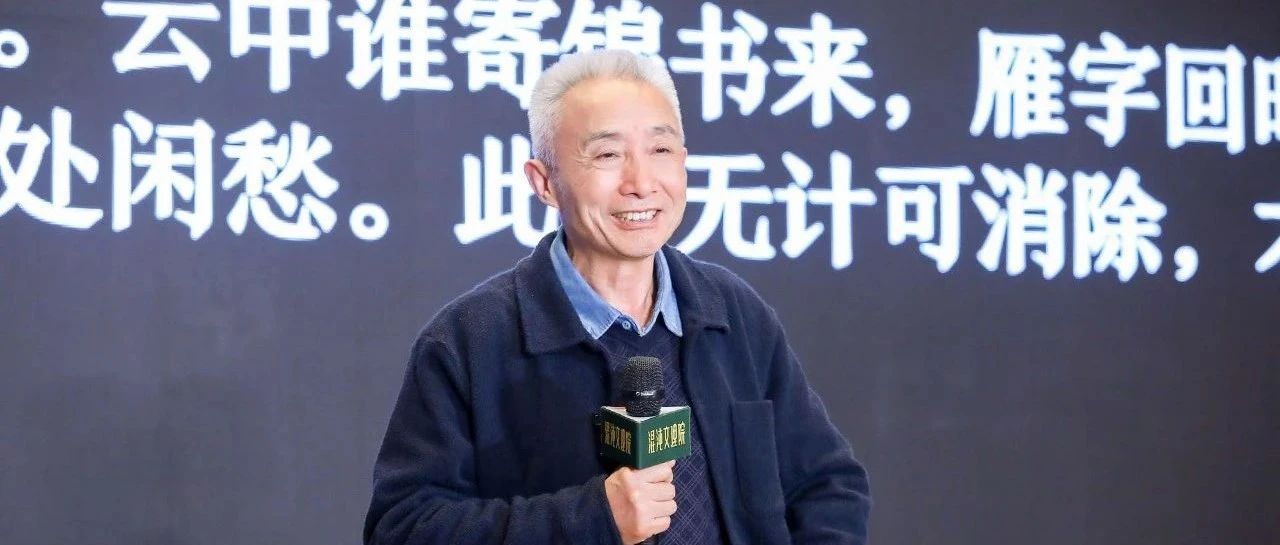
在盛唐,“躺平”是要被嘲笑的!|戴建业混沌文理院开讲
混沌学园· 2025-03-09 07:05
Group 1 - The article critiques the popular saying "difficult to be confused," suggesting it promotes a passive and complacent attitude towards life, equating it to a weak worldview [1][19] - It argues that the notion of "contentment is happiness" stems from a lack of ambition and capability to achieve success, portraying it as a mindset of the weak [1][19] Group 2 - The article discusses the cultural and artistic peak of Chinese classical poetry during the Tang Dynasty, emphasizing its unmatched achievements compared to previous and subsequent dynasties [2][4] - It highlights the "spirit of the prosperous age," characterized by a strong sense of responsibility, historical mission, and a flourishing of talent across various artistic fields [3][20] Group 3 - The establishment of the imperial examination system during the Tang Dynasty allowed individuals from lower social classes to rise in political ranks, fostering a sense of ambition and self-confidence among the populace [6][7] - The article notes that this shift led to a significant change in the political landscape, diminishing the power of aristocratic families and allowing talented individuals to emerge [6][7] Group 4 - The article emphasizes the diverse cultural influences during the Tang Dynasty, which fostered a spirit of inclusivity and openness to various religions and philosophies, contributing to a rich cultural environment [20][21] - It points out that this cultural policy encouraged creativity and imagination among poets and artists, leading to a remarkable flourishing of literature and art [22] Group 5 - The characteristics of poetry from the prosperous Tang era are described as grand in spirit and rich in emotional depth, showcasing a unique blend of natural imagery and profound sentiments [23][25] - The article provides examples of notable poems that illustrate the vibrant and dynamic nature of Tang poetry, reflecting the era's optimism and vitality [27][28]