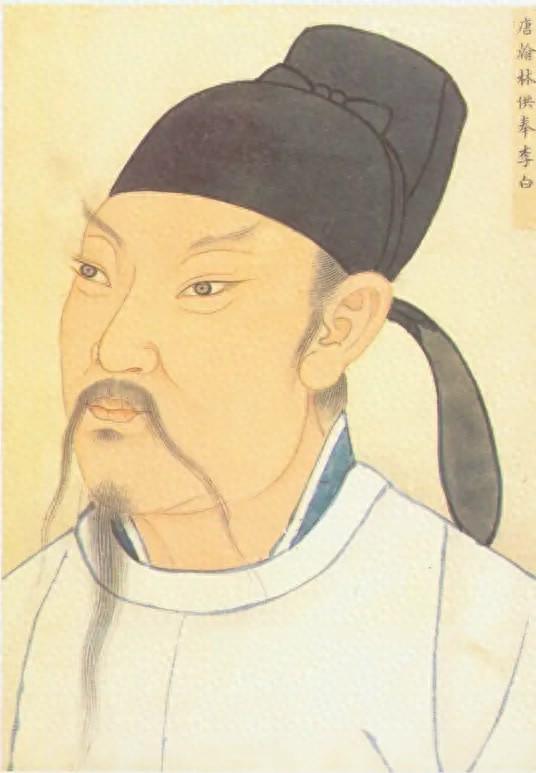
《Plum Blossom: Poems of Li Po》

Search documents
李白《独坐敬亭山》多译本信达雅互鉴,为中华古诗词出海提供价值参照
Xin Lang Cai Jing· 2026-02-06 04:31
Core Viewpoint - The article emphasizes the importance of translating Chinese classical poetry, particularly Li Bai's "Sitting Alone Before the Jingting Mountain," to enhance cultural exchange and understanding between China and the world, adhering to the translation principles of "faithfulness, expressiveness, and elegance" [1][24]. Translation Analysis Yang Xianyi and Dai Naidie's Translation - The translation captures the essence of the original poem, effectively conveying the sense of emptiness and solitude through phrases like "All the birds have flown away, so high" and "a lonely cloud drifts idly by," which reflect the poem's tranquil atmosphere [4][5]. - The language is simple and aligns with the original's style, avoiding excessive embellishments, thus maintaining the poem's minimalist aesthetic [5]. - The structure is compact, preserving the emotional core of the poem, particularly the mutual appreciation between the poet and the mountain [5]. James M. Cryer's Translation - This version emphasizes the exclusivity of the relationship between the poet and the mountain with the phrase "Only Ching-t'ing Shan and me," which highlights the emotional depth of solitude and companionship [11]. - The conversational tone and natural phrasing enhance the accessibility of the poem for English readers, while still maintaining the original's simplicity [12]. - The translation effectively conveys both the dynamic and the emotional state of the poet, creating a vivid imagery of the scene [12]. Xu Yuanchong's Translation - Xu's translation excels in rhythmic quality, achieving a consistent rhyme scheme that enhances the musicality of the poem, making it more appealing to English-speaking audiences [15]. - The translation elevates the meaning of "闲" (idle) to reflect the poet's state of mind, using "so free" to convey a deeper sense of spiritual freedom [16]. - The emotional interaction between the poet and the mountain is articulated in a layered manner, enhancing the philosophical depth of the original text [17]. Wang Yongli's Translation - This translation aims for precise imagery, using "flocks" to reflect the collective nature of the birds and "dissolve into the air" to capture the essence of disappearance, enhancing the sense of emptiness [22]. - The structure is designed for natural flow, with a clear progression of emotion and imagery, aligning with English poetic conventions [22]. - The choice of words aims for both literary quality and vivid imagery, achieving a dual elevation of meaning and thought [23]. Conclusion - The comparative analysis of these translations illustrates the successful application of the "faithfulness, expressiveness, and elegance" principles, showcasing the potential for Chinese classical poetry to resonate within the global cultural landscape [24].