文化强国建设

Search documents
着力加强文化科技人才培养
Xin Lang Cai Jing· 2026-02-22 17:58
Group 1 - The core idea emphasizes the importance of cultural and technological talent in building a culturally strong nation, as outlined in the strategic goals set by the Chinese Communist Party for 2035 [1][2][3] - Cultural and technological talent is defined as high-quality, innovative individuals who possess strong political, cultural, and technological capabilities, essential for the new era of cultural development [1][2] - The integration of culture and technology is accelerating, necessitating a large, well-structured, and innovative talent pool to support cultural innovation and development [1][4] Group 2 - Cultural and technological talent plays a crucial role in promoting ideological work and strengthening the socialist ideology, which requires both theoretical research and practical application [2][3] - The development of cultural industries relies on cultural and technological talent to enhance the value creation in modern service sectors, which is a key indicator of national economic strength [3][4] - Cultural and technological talent is vital for international cultural exchange, enhancing China's global influence through participation in international platforms and cooperation [3][4] Group 3 - Strengthening the cultivation of cultural and technological talent is essential, requiring a supportive ecosystem that facilitates organized connections, entrepreneurial platforms, and educational support [4][5] - The leadership of the Communist Party is fundamental in ensuring the effective cultivation of cultural and technological talent, integrating them into national talent frameworks [5][6] - Policy support from various governmental departments is crucial for fostering cultural and technological talent, including financial and infrastructural incentives for cultural projects [5][6] Group 4 - Education and training are foundational for cultivating cultural and technological talent, necessitating a multi-level educational system that aligns with market demands [6][7] - International exchange is an important avenue for talent development, promoting a cycle of self-cultivation and global collaboration in cultural and technological fields [6][7]
出版传媒集团召开2026年工作会议
Shui Li Bu Wang Zhan· 2026-02-14 07:21
Group 1 - The meeting emphasized the importance of adhering to Xi Jinping's Thought on Socialism with Chinese Characteristics for a New Era and implementing the spirit of the 20th National Congress and the Fourth Plenary Session of the 20th Central Committee [2] - The company aims to enhance the quality of publishing content, optimize product variety structure, and improve digital transformation to support high-quality development in water resources and cultural construction [2] - The focus for 2026 includes strengthening top-level design, promoting various types of publishing, and enhancing international communication capabilities to establish a leading water resources publishing enterprise [1][2] Group 2 - The company plans to improve political positioning, enhance the quality of publishing content, and deepen international cooperation to boost the dissemination of Chinese water culture [2] - There is a commitment to cultivating a diverse talent pool and improving asset utilization efficiency to increase profitability [2] - The company will implement stricter measures for comprehensive and strict governance of the Party to support the development of water resources and hydropower publishing [2]

李白《独坐敬亭山》多译本信达雅互鉴,为中华古诗词出海提供价值参照
Xin Lang Cai Jing· 2026-02-06 04:31
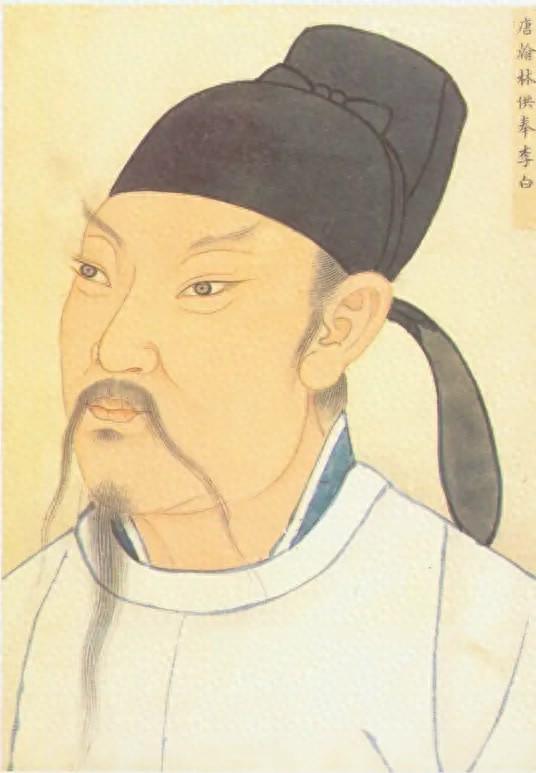
Core Viewpoint - The article emphasizes the importance of translating Chinese classical poetry, particularly Li Bai's "Sitting Alone Before the Jingting Mountain," to enhance cultural exchange and understanding between China and the world, adhering to the translation principles of "faithfulness, expressiveness, and elegance" [1][24]. Translation Analysis Yang Xianyi and Dai Naidie's Translation - The translation captures the essence of the original poem, effectively conveying the sense of emptiness and solitude through phrases like "All the birds have flown away, so high" and "a lonely cloud drifts idly by," which reflect the poem's tranquil atmosphere [4][5]. - The language is simple and aligns with the original's style, avoiding excessive embellishments, thus maintaining the poem's minimalist aesthetic [5]. - The structure is compact, preserving the emotional core of the poem, particularly the mutual appreciation between the poet and the mountain [5]. James M. Cryer's Translation - This version emphasizes the exclusivity of the relationship between the poet and the mountain with the phrase "Only Ching-t'ing Shan and me," which highlights the emotional depth of solitude and companionship [11]. - The conversational tone and natural phrasing enhance the accessibility of the poem for English readers, while still maintaining the original's simplicity [12]. - The translation effectively conveys both the dynamic and the emotional state of the poet, creating a vivid imagery of the scene [12]. Xu Yuanchong's Translation - Xu's translation excels in rhythmic quality, achieving a consistent rhyme scheme that enhances the musicality of the poem, making it more appealing to English-speaking audiences [15]. - The translation elevates the meaning of "闲" (idle) to reflect the poet's state of mind, using "so free" to convey a deeper sense of spiritual freedom [16]. - The emotional interaction between the poet and the mountain is articulated in a layered manner, enhancing the philosophical depth of the original text [17]. Wang Yongli's Translation - This translation aims for precise imagery, using "flocks" to reflect the collective nature of the birds and "dissolve into the air" to capture the essence of disappearance, enhancing the sense of emptiness [22]. - The structure is designed for natural flow, with a clear progression of emotion and imagery, aligning with English poetic conventions [22]. - The choice of words aims for both literary quality and vivid imagery, achieving a dual elevation of meaning and thought [23]. Conclusion - The comparative analysis of these translations illustrates the successful application of the "faithfulness, expressiveness, and elegance" principles, showcasing the potential for Chinese classical poetry to resonate within the global cultural landscape [24].

履职尽责提升质效 为建设文化强国凝心聚力——全国政协文化文史和学习委员会2025年工作综述
Xin Lang Cai Jing· 2026-01-31 10:15
Core Viewpoint - The cultural prosperity and development is a significant indicator of Chinese-style modernization, with a focus on building a strong socialist cultural nation by 2025, guided by Xi Jinping's thoughts on culture and the spirit of the 20th National Congress of the Communist Party of China [1][9]. Group 1: Ideological Foundation - The committee emphasizes the importance of ideological guidance, making the study and implementation of Xi Jinping's thoughts a primary political task [2]. - A strict "first agenda" system is in place to ensure that meetings prioritize learning and understanding Xi Jinping's latest speeches and directives [2]. - Regular learning mechanisms are established, including study sessions and reading activities, to deepen understanding of cultural thoughts and enhance political capabilities among committee members [3]. Group 2: Cultural Strong Nation Initiatives - The committee is committed to promoting cultural innovation and development, aligning with the goals set forth in the 20th National Congress [4]. - Collaborative efforts with various organizations, such as the 93rd National Congress, focus on integrating culture and technology, with discussions on nurturing cultural tech enterprises and leveraging digital technology for cultural transformation [4]. - The committee conducts specialized research and discussions on topics like cultural heritage protection and enhancing cultural service capabilities [5]. Group 3: Community Engagement and Outreach - The committee actively engages in community outreach, organizing cultural performances and educational activities to enhance cultural awareness and participation among the public [7][8]. - A significant number of cultural events, including performances and lectures, have reached millions, demonstrating the committee's commitment to bringing culture to grassroots levels [8]. - The committee is focused on compiling and publishing cultural materials, contributing to the preservation and promotion of Chinese culture [8]. Group 4: Future Directions - Looking ahead to 2026, the committee aims to continue its efforts in cultural development, aligning with the strategic initiatives of the 14th Five-Year Plan and enhancing the quality of its work [9].
植根历史文化纵深 顺应数字科技潮流
Xin Lang Cai Jing· 2026-01-30 18:44
Core Viewpoint - The 20th Central Committee of the Communist Party of China emphasizes the importance of cultural innovation and development in the 15th Five-Year Plan, aiming to enhance the cultural strength of the nation and promote the sustainable development of cultural tourism [1] Group 1: Cultural Tourism Development - Beijing, with over 3,000 years of history, is leveraging its rich cultural heritage to embrace digital transformation, integrating cultural resources systematically under the national cultural center framework [2] - In 2023, Beijing's total tourist volume exceeded 300 million, with shopping accounting for 30.5% of tourist spending, indicating significant potential in the cultural and creative product market [3] Group 2: Challenges in Cultural Products - The cultural tourism market faces challenges such as product homogeneity and insufficient innovation, which do not meet the growing demand for personalized experiences among tourists [4] - There is a lack of awareness among tourists regarding cultural products, leading to weak purchasing intentions, and popular attractions face ticket shortages, limiting opportunities for product sales [4] Group 3: Digital Resource Utilization - To enhance the cultural product system, it is essential to strengthen digital resource supply and improve public cultural digital services, which can deepen the cultural connotation of products and promote cultural transmission [5][6] - The integration of digital narrative design into cultural product development is crucial for addressing visitor flow pressure and enhancing the effectiveness of digital cultural products [7] Group 4: Innovative Models and Technology - The application of blockchain technology in digital copyright transactions for cultural products offers a new model for protecting and innovating cultural resources [9] - Successful cases of model expansion, such as the "Digital Poetry Road Cultural Experience Hall," demonstrate the potential for replicating innovative tourism experiences across different regions [10]
以精神上的独立自主激发新时代文化创新创造活力
Xin Lang Cai Jing· 2026-01-19 23:20
Core Viewpoint - The article emphasizes the importance of cultural innovation and creativity driven by spiritual independence and autonomy, which is essential for building a culturally strong nation and maintaining the vitality of Chinese civilization [1][2][3]. Group 1: Spiritual Independence as the Foundation of Cultural Innovation - Spiritual independence is the foundation of cultural innovation and creativity, allowing individuals and groups to think, judge, and decide autonomously without external coercion [1][2]. - The vitality of cultural innovation stems from a conscious adherence to national cultural roots and a rational examination of external cultural influences, enabling a breakthrough in cultural paradigms [2][3]. - The essence of cultural innovation in socialism with Chinese characteristics lies in adhering to Marxism while maintaining spiritual independence and leveraging traditional Chinese culture [2][3]. Group 2: Cultural Innovation as a Practice of Spiritual Independence - Cultural innovation serves as a tangible expression of spiritual independence, transforming abstract concepts into perceptible cultural practices that resonate with the public [4][5]. - The response to contemporary societal needs through innovative cultural forms, such as youth-oriented storytelling in mainstream media, enriches the practice of spiritual independence [5][6]. - Cultural innovation fosters equal exchanges with the outside world, allowing for a genuine expression of national spirit and breaking the monopoly of Western narratives [5][6]. Group 3: New Pathways for Cultural Innovation and Independence - The article suggests that achieving spiritual independence requires a long-term commitment to integrating Marxist principles with Chinese realities and traditional culture [6][7]. - The development of new cultural productive forces, driven by technological innovation and the integration of culture and technology, is essential for advancing cultural industries [7]. - Constructing an autonomous cultural knowledge system is crucial for resisting Western cultural hegemony and ensuring the integrity of Chinese cultural identity [7].
提高政治站位 抓落实促发展惠民生 市委常委会举行会议
Jie Fang Ri Bao· 2026-01-17 03:09
Group 1 - The meeting emphasized the importance of implementing the spirit of the 20th Central Commission for Discipline Inspection's fifth plenary session and the National Propaganda Ministers' meeting, focusing on reducing burdens for grassroots and enhancing supervision [1][2] - The city aims to strengthen political supervision by focusing on the implementation of national strategic tasks and addressing key issues affecting high-quality development and public welfare [2] - The city has made significant contributions through its petition system to support the overall stability and development, emphasizing the need for a systematic approach to improve the legal framework of petition work [2] Group 2 - The meeting highlighted the necessity of ensuring food security as a top priority, promoting urban agriculture, and enhancing the quality and efficiency of farmland protection and grain production [3] - The importance of the united front work was stressed, aiming to unite various stakeholders to contribute to the city's modernization and economic development [3] - The meeting discussed the need for efficient allocation of institutional resources and deepening reforms in key areas to better serve the overall economic and social development [3]
以文化润检文化强检助推检察工作高质量发展
Xin Lang Cai Jing· 2026-01-15 23:33
Core Viewpoint - The construction of prosecutorial culture is essential for the development of a culturally strong nation and the rule of law, emphasizing the dual responsibility of prosecutorial agencies to serve cultural development and enhance their own cultural construction [2]. Group 1: Political Leadership and Awareness - Prosecutorial agencies must prioritize political awareness, ensuring that their work aligns with the correct political direction and strictly adhering to the directives of the Party [3]. - The importance of political loyalty and the need for a unified ideological foundation are emphasized, with a focus on using Xi Jinping's thoughts to guide prosecutorial work [4]. Group 2: Strengthening Grassroots and Party Building - The integration of Party building with prosecutorial work is crucial for enhancing the effectiveness of both, with a focus on standardizing grassroots organizations and promoting high-quality Party development [5]. - Continuous education on Party discipline and the implementation of strict regulations for prosecutorial personnel are necessary to maintain integrity and accountability [5]. Group 3: Promoting Positive Publicity and Legal Education - There is a strong emphasis on enhancing positive publicity to effectively communicate the achievements of prosecutorial work and the rule of law to the public [6]. - The use of thematic and case-based publicity strategies is encouraged to engage the community and promote legal awareness [7][8]. Group 4: Serving National and Cultural Development - Prosecutorial agencies are tasked with supporting national security and social stability while ensuring the protection of market entities and promoting a lawful economy [9]. - The promotion of national unity and the integration of core socialist values into prosecutorial practices are highlighted as essential for fostering a cohesive society [10]. Group 5: Judicial Protection of Public Interests - The focus on protecting the rights of vulnerable groups and addressing public concerns in areas such as food safety and social security is critical for enhancing public trust in the judicial system [11]. - The role of prosecutorial agencies in safeguarding cultural heritage and addressing crimes related to cultural property is emphasized as part of their broader mission [12]. Group 6: Innovation in Prosecutorial Culture - The development of unique prosecutorial cultural brands that reflect regional characteristics and integrate with local traditions is encouraged to enhance community engagement [14]. - The promotion of spiritual civilization and the cultivation of a positive work environment through various cultural activities are essential for fostering a strong prosecutorial identity [15][16].
黟县西递镇徽州文脉在城乡共建中焕发新生
Xin Lang Cai Jing· 2026-01-13 06:22
Group 1 - The core viewpoint of the articles highlights the efforts of Xidi Town in promoting cultural heritage and community engagement through various initiatives, including the recognition of local figures and the establishment of volunteer service brands [1][3][4] Group 2 - In 2025, Xidi Town's cultural preservation officer, Hu Xiaowen, was selected as a "Good Person in China," and the initiative "More Voices Still" was recognized as a brand for volunteer services in Anhui Province, contributing to the town's spiritual civilization development [1] - The town is leveraging its identity as "China's First Couplets Village" to create a unique brand called "Family Values in Couplets," which includes a lecture team composed of intangible cultural heritage inheritors, retired teachers, and young volunteers [2] - The "Delivering Beauty" volunteer service team was launched in 2025, integrating resources from various sectors to promote local stories and provide services that benefit both villagers and tourists [3] - An innovative points system has been introduced to quantify behaviors such as theoretical learning and volunteer service, allowing villagers to exchange points for daily necessities and services, fostering community participation [4] - Xidi Town is committed to implementing national guidelines for spiritual civilization, aiming to revitalize local culture and contribute to high-quality development in the context of modern Chinese construction [4]
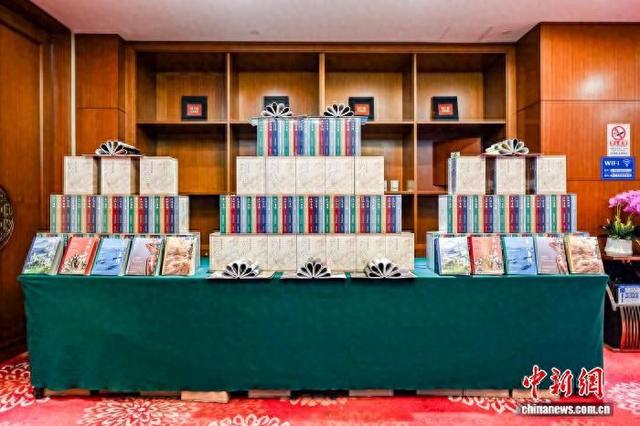
《长江画传》新书发布
Xin Lang Cai Jing· 2026-01-12 11:47
Core Viewpoint - The publication of "Yangtze River Illustrated" marks a significant contribution to the "National Cultural Park Illustrated Series," showcasing China's rich history and cultural heritage through various narratives and visuals [2][3]. Group 1: Publication Details - "Yangtze River Illustrated" is co-published by Jiangsu People's Publishing House and Jiangsu Phoenix Fine Arts Publishing House, consisting of 10 chapters, 180,000 words, and over 300 images [2]. - The book is part of a five-volume cultural classic series that includes "Grand Canal Illustrated," "Great Wall Illustrated," "Long March Illustrated," and "Yellow River Illustrated," each representing different aspects of Chinese culture [2]. Group 2: Institutional Involvement - The series is edited by the National Committee of Culture and History of the Chinese People's Political Consultative Conference, with contributions from the China Cultural Heritage Research Institute, Yellow River Water Resources Research Institute, and Nanjing University [3]. - Nanjing University plays a crucial role in the project, with its Cultural and Natural Heritage Research Institute overseeing the compilation of "Yangtze River Illustrated," emphasizing the university's commitment to national cultural strategies [2]. Group 3: Academic Rigor - The book underwent three years of development and over 30 revisions, aiming to present the profound cultural heritage of the Yangtze River with a rigorous academic approach and engaging presentation [2].