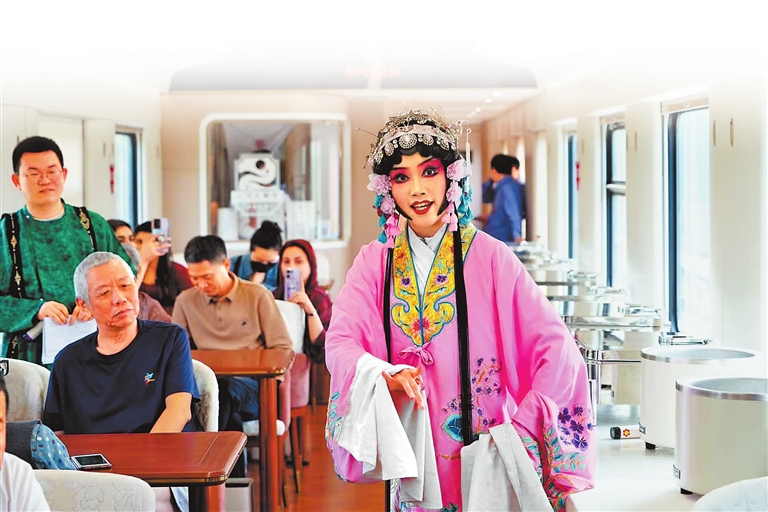
中原铁道·大河之南号列车

Search documents
慢旅行 暖服务 银发专列驶向诗和远方
He Nan Ri Bao· 2025-12-27 23:33
Core Viewpoint - The "Zhongyuan Railway · Dahe Zhinan" train service targets the elderly demographic, offering a unique travel experience with tailored amenities and services, reflecting the growing importance of the silver economy in the tourism sector [1][2][3] Group 1: Train Features and Services - The train features over 50 types of hardware modifications for elderly accessibility, including private compartments with modern amenities like smart toilets and emergency call buttons [1] - The service includes 24-hour butler service, ensuring quick response to passenger needs, with staff trained in emergency first aid [1] - The travel experience is designed for a slow-paced journey, allowing passengers to enjoy meals in a dining car and participate in cultural activities at various stops [1] Group 2: Market Demand and Trends - Since its launch in April, the train has operated 18 trips, serving over 3,300 passengers, with more than 70% being over 60 years old, indicating strong demand from the elderly population [2] - The train offers themed routes such as "Ancient Capital Tour" and "Dumpling Festival Tour," which connect cultural sites and include interactive performances, appealing to the interests of older travelers [2] - The silver economy is recognized as a significant part of the social economic structure, with government initiatives aimed at enhancing services and facilities for elderly travelers [2][3] Group 3: Future Developments - The emergence of silver tourism trains is driven by both policy support and market demand, with expectations for continued growth in this sector [3] - The "Zhongyuan Railway · Dahe Zhinan" train has been recognized in the 2025 "Railway Travel Boutique Cases," highlighting its innovative approach and potential for future development [3] - The company plans to continue developing diverse themed products and exploring innovations in management and service design to enhance the travel experience for elderly passengers [3]
行李不用搬 “酒店”跟着跑 银发专列:助力老“游”所乐
He Nan Ri Bao· 2025-06-09 23:56
Core Viewpoint - The introduction of senior-friendly tourism trains, such as the "Zhongyuan Railway·Dahe South Train," is driven by both policy initiatives and market demand, catering to the growing silver economy and the needs of elderly travelers [4][7]. Group 1: Train Features and Design - The train incorporates cultural elements and has undergone age-friendly modifications, including private compartments with independent bathrooms, smart toilets, and non-slip handrails, which have been well-received by elderly passengers [2][5]. - Emergency features such as call buttons in each compartment and trained staff for immediate assistance enhance safety and comfort for senior travelers [2][7]. Group 2: Market Demand and Economic Impact - The silver economy in China is valued at approximately 7 trillion yuan, with travel being a significant area of expenditure for elderly individuals, indicating a growing market for senior tourism [4][7]. - The train's operations align with national policies aimed at promoting senior tourism, with expectations of over 1 million tourists using such trains by 2024, of which nearly 80% are expected to be elderly [7][8]. Group 3: Future Development and Challenges - The "Action Plan" aims to establish a comprehensive system of senior tourism trains by 2027, with various regions already implementing similar services [7][8]. - The industry faces challenges in increasing public awareness and acceptance of senior-friendly trains, as well as the need for improved training for staff and better integration of health and cultural services [7][8].