中国第一颗氢弹

Search documents
中共一大纪念馆展出“两弹一星”珍贵文物
Xin Lang Cai Jing· 2026-01-07 11:01
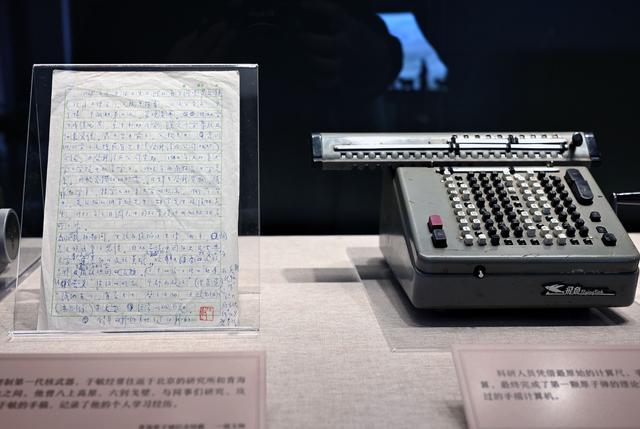
Core Viewpoint - The exhibition "Casting Dreams at Jinyintan: The Glorious Path of China's 'Two Bombs, One Satellite'" opened on January 7 at the Memorial Hall of the First National Congress of the Communist Party of China, showcasing the significant achievements of China's nuclear industry through valuable manuscripts, artifacts, and historical documents [1][3]. Group 1: Exhibition Overview - The exhibition is organized by the Propaganda Department of the Haibei Prefecture Committee of the Communist Party of China, the Memorial Hall of the First National Congress, and the Qinghai Atomic City Memorial Hall [1]. - It features 69 selected cultural relics, including personal manuscripts from Yu Min, scientific calculation manuscripts from Deng Jiaxian, and the program timer used during the first atomic bomb explosion, among other first and second-level national cultural relics [1][3]. Group 2: Thematic Structure - The exhibition is divided into four sections: "Mission Call," "Climbing New Heights," "Great Achievements," and "Building Dreams for Revival," which collectively review the arduous decision-making process and the remarkable achievements of China's "Two Bombs, One Satellite" project [3]. - The first floor of the exhibition hall vividly recreates the scene of General Li Jue leading over twenty advance team members to explore Jinyintan in August 1958, while the second floor displays models of China's first atomic bomb, hydrogen bomb, and the artificial satellite "Dongfanghong-1" [5]. Group 3: Significance of the Exhibition - The joint exhibition, spanning 2,300 kilometers from Shanghai to Jinyintan, represents a spiritual dialogue across time and serves as a relay of initial aspirations and missions [5].