中国纹章瓷

Search documents
135件套天津博物馆藏中国纹章瓷亮相北京大运河博物馆
Zhong Guo Jing Ji Wang· 2025-11-18 12:28
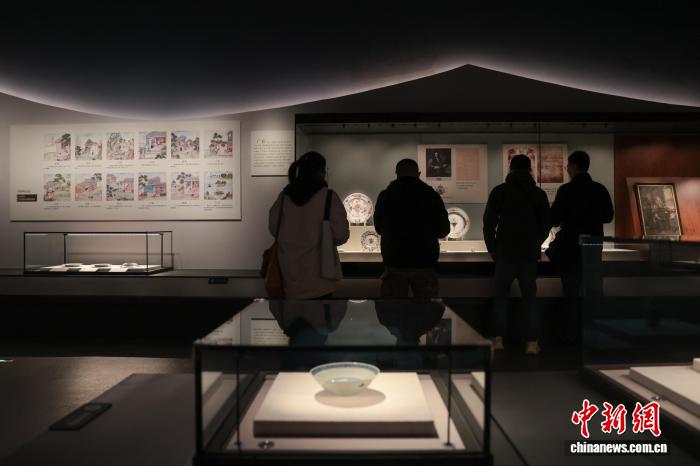
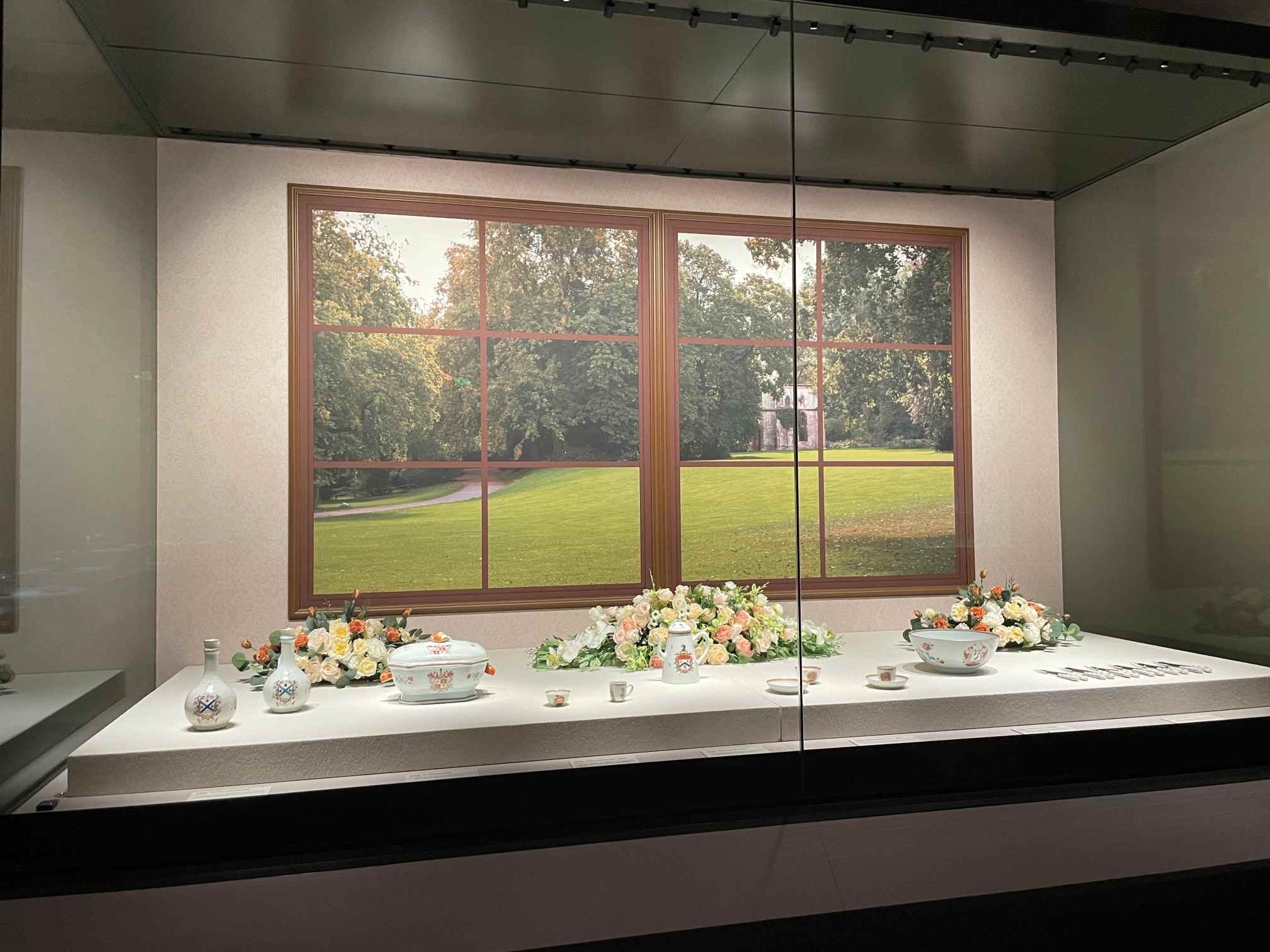
Core Viewpoint - The exhibition "Sailing and Merging Light - Special Exhibition of 18th-19th Century Chinese Armorial Porcelain from Tianjin Museum" highlights the significance of armorial porcelain as a cultural symbol and its role in the exchange between Chinese and Western cultures, showcasing its historical importance in the context of global trade and cultural interaction [1][4]. Group 1: Exhibition Overview - The exhibition features 135 pieces of 18th-19th century Chinese armorial porcelain, illustrating the material culture's dissemination mechanisms during ancient globalization and the mutual influence of Chinese and Western civilizations along the Silk Road [4]. - The exhibition is organized into three sections: "Porcelain Road Maritime Trade," "Noble Family Treasures," and "Beauty in Harmony," each focusing on different aspects of armorial porcelain's history and cultural significance [4]. Group 2: Cultural Significance - Armorial porcelain, characterized by its luxurious decoration and blend of Chinese and European artistic styles, serves as a vital cultural window, reflecting the deep dialogue between Eastern and Western economies and cultures throughout history [6]. - The exhibition is part of the capital museum's activities for the New Year and Spring Festival, running until March 3, 2026, emphasizing its role in promoting cultural collaboration in the Beijing-Tianjin-Hebei region [6].

京津文博机构联动办展 百余件套瓷器“连接”中西文明
Zhong Guo Xin Wen Wang· 2025-11-17 08:23
Core Points - The exhibition "Sailing and Light: Special Exhibition of 18-19 Century Chinese Armorial Porcelain from Tianjin Museum" opened on November 17 at the Grand Canal Museum in Beijing, showcasing 135 pieces of armorial porcelain that highlight cultural exchanges between China and the West [1][3][5] - Armorial porcelain, known for its exquisite decoration and blend of Chinese and Western artistic styles, represents a significant aspect of cultural interaction during the Ming and Qing dynasties [1][5] Summary by Sections Exhibition Overview - The exhibition features three sections: "Maritime Trade of Porcelain," "Noble Family Treasures," and "Beauty in Harmony" [3] - "Maritime Trade of Porcelain" introduces the customization process and trade activities related to Chinese armorial porcelain [3] - "Noble Family Treasures" focuses on the social functions and heritage of armorial designs in Chinese export porcelain [3] - "Beauty in Harmony" illustrates the mutual influence of Chinese and Western aesthetics from the late 17th century to the early 19th century through changes in porcelain decoration [3] Cultural Significance - Armorial porcelain is considered crucial in the history of porcelain development, embodying the essence of Sino-Western cultural exchange [5] - Notable exhibits include a Qing Yongzheng famille rose plate customized for Elizabeth Isod, an Irish figure known for her success in real estate, and a famille rose sauce cup imitating early 18th-century Western silverware [5] - The exhibition aims to promote resource sharing among cultural institutions and enhance cultural collaboration in the Beijing-Tianjin-Hebei region, contributing to the establishment of a cultural community [5]