中西文化交流

Search documents
中国古人的审美有多高级?唐代就有中西合璧“联名款”纹样
Xin Lang Cai Jing· 2026-02-21 16:12
Core Viewpoint - The article discusses the enduring significance of the horse motif in Chinese traditional patterns, highlighting its cultural roots, aesthetic values, and adaptability across various art forms and historical contexts [1][2]. Group 1: Cultural Significance of Horse Motif - The horse motif has been a central theme in Chinese culture, symbolizing beauty and aspiration, and has evolved through various artistic forms since the Paleolithic era [1]. - The stability of core cultural genes and an open, inclusive philosophy contribute to the longevity of traditional patterns, allowing them to adapt and integrate with new influences [2]. Group 2: Evolution and Styles of Horse Motif - The evolution of the horse motif reflects the aesthetic and social contexts of different historical periods, with distinct styles emerging from the Shang and Zhou dynasties to the Tang and Song dynasties [4]. - The horse motif carries various meanings, including protection and auspiciousness, and has been used in architectural decorations to symbolize loyalty and ward off evil [4]. Group 3: Modern Adaptation and Innovation - The preservation and innovation of traditional patterns require a balance between maintaining authenticity and embracing modern design languages and technologies [7][8]. - New technologies like 3D printing and VR are seen as tools to enhance the transmission and innovation of traditional motifs, allowing them to thrive in contemporary contexts [8]. Group 4: Globalization and Cultural Exchange - The globalization of the horse motif presents both opportunities and challenges, with Western brands using these designs while sometimes misrepresenting their cultural origins [9]. - There is a need for proactive cultural interpretation to ensure that traditional motifs are recognized for their historical and philosophical significance, rather than being reduced to mere decorative elements [9]. Group 5: Future Vision for Cultural Transmission - The ideal system for the transmission and innovation of traditional patterns involves a closed-loop ecosystem that integrates academic research, heritage protection, industrial transformation, and international dialogue [11]. - Plans for a digital resource library and immersive museums aim to enhance public engagement with traditional patterns, showcasing their beauty and cultural significance on a global scale [11].

2026年西班牙“欢乐春节”系列活动在马德里举行
Xin Lang Cai Jing· 2026-02-09 18:14
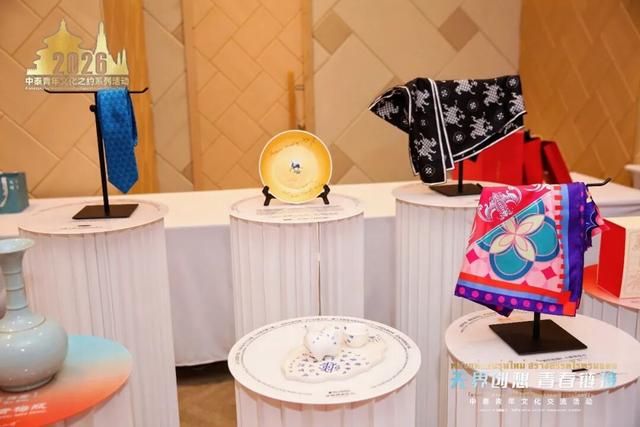
Core Points - The "Happy Spring Festival" series of events in Spain aims to promote cultural exchange between China and Spain, showcasing various aspects of Chinese culture through activities such as music concerts and cultural exhibitions [1][2] - The event featured a collaboration between Chinese and Spanish cultural institutions, highlighting the integration of traditional Chinese music with Western symphonic art [1] - The exhibition "Ancient China in Cultural Creativity" displayed replicas of cultural artifacts and creative products, emphasizing the significance of Chinese New Year customs and zodiac culture [1] Group 1 - The "Happy Spring Festival" series has been held in Spain for 15 consecutive years, serving as an important platform for cultural exchange [3] - Spanish officials emphasized the importance of cultural diversity and mutual respect between civilizations, aiming to strengthen the strategic partnership with China [2] - The action plan covering 2025 to 2028 aims to enhance cooperation in trade, investment, tourism, and cultural exchanges between Spain and China [2] Group 2 - The number of Spanish citizens visiting China is projected to exceed 210,000 by 2025, while over 800,000 Chinese citizens are expected to visit Spain, marking record highs in bilateral tourism [2]
向世界展示桃花坞木版年画之美 苏州娃争当文明小义工
Su Zhou Ri Bao· 2026-02-08 00:39
Core Viewpoint - The exhibition "Zhuozhuo Qihua: The Transformation and Influence of Taohuawu Woodblock New Year Paintings" at Suzhou Art Museum is attracting significant attention, particularly among local youth, as part of an initiative to promote this intangible cultural heritage [1] Group 1: Exhibition and Cultural Promotion - The Suzhou Public Cultural Center organized volunteer training sessions for middle and primary school students to enhance their understanding of Taohuawu woodblock New Year paintings [1] - The exhibition showcases the integration of Suzhou's cultural heritage, emphasizing the blend of refined and popular art forms, making it accessible to a wider audience [1] - The director of the Suzhou Public Cultural Center highlighted the ongoing cultural relevance of Taohuawu woodblock New Year paintings, describing them as a dynamic cultural expression that continues to evolve [2] Group 2: Educational Impact - Students participating in the training expressed a newfound appreciation for the cultural exchange between Chinese and Western elements in the artworks [2] - The exhibition aims to instill a sense of pride and confidence in local culture among Suzhou's youth, encouraging them to engage with their heritage [2] - The Suzhou Public Cultural Center developed various versions of volunteer guide handbooks tailored for different age groups to facilitate effective cultural education during the exhibition [3]
北京第二外国语学院原西班牙语系主任孙家堃逝世
Xin Lang Cai Jing· 2026-02-03 15:41
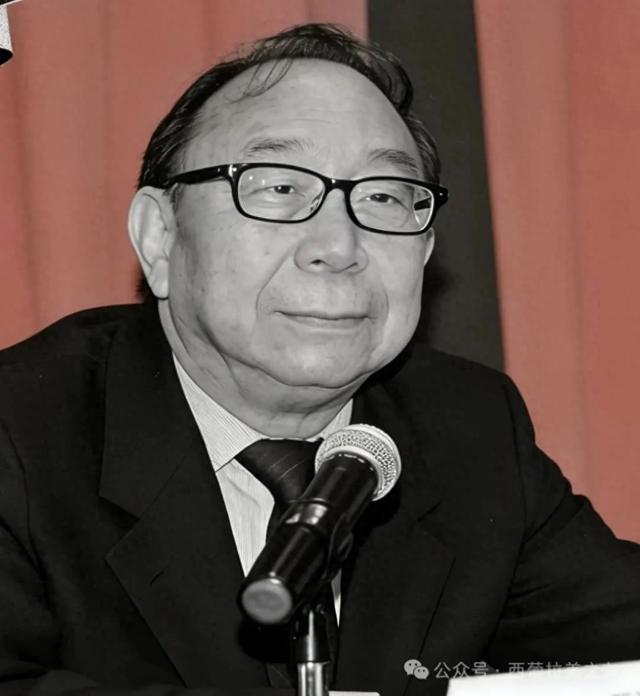
Core Viewpoint - The article commemorates the life and contributions of Sun Jiakun, a prominent figure in Spanish language education in China, who passed away at the age of 85 after a long illness. His dedication to teaching and cultural exchange between China and Spanish-speaking countries is highlighted throughout the text [1][3]. Group 1: Contributions to Education - Sun Jiakun was a dedicated educator who significantly impacted Spanish language education in China, serving in various roles at Beijing International Studies University [1][2]. - He was known for his rigorous academic standards and ability to inspire students, effectively opening the cultural doors to the Spanish-speaking world while teaching the language [2][3]. - His scholarly work included extensive research on Sino-Western exchanges and the history of indigenous peoples, contributing to a deeper understanding of cultural interactions [2][3]. Group 2: Academic Achievements - Sun Jiakun authored and translated numerous influential works, including titles such as "The Protector of the Indians - Las Casas" and "The History of China and Spain Relations," which have had a lasting impact on students and the academic community [2][3]. - His academic contributions have enriched the field of Spanish studies and have been instrumental in training professionals in diplomacy, trade, culture, and education [3]. Group 3: Personal Attributes and Legacy - Sun Jiakun was characterized by his humility, dedication to scholarship, and commitment to nurturing young scholars, creating a welcoming environment for students seeking guidance [2][3]. - His legacy is marked by the profound influence he had on his students, many of whom have become key figures in various sectors, ensuring that his impact on Spanish education and cultural exchange will endure [3][4].
著名西班牙语专家孙家堃逝世,众多学子成为外交经贸领域中坚
Xin Lang Cai Jing· 2026-02-03 14:36
Core Viewpoint - The obituary announces the passing of Sun Jiakun, a prominent figure in Spanish language education in China, who dedicated his life to fostering cultural exchange between China and Spanish-speaking countries [1][4]. Group 1: Personal Background - Sun Jiakun was born on February 28, 1941, in Tianjin and graduated from the Spanish Department of Beijing Foreign Studies University in 1965 [3]. - He joined Beijing Second Foreign Languages Institute in the same year and held various positions, including Deputy Director of the Western European Department and Director of the Spanish Department [3]. Group 2: Academic Contributions - Sun was known for his rigorous academic approach and effective teaching methods, which not only adhered to language norms but also infused wisdom and enthusiasm into his classes [3]. - He made significant contributions to the study of Sino-Western exchange history and explored Indigenous history, providing insights into the historical interactions between the old continent and the outside world [3]. Group 3: Publications and Influence - His notable works include "The Protector of the Indians - Las Casas," "Economic and Trade Dictionary of the Western Han," and "History of China and Spain," among others, which have had a lasting impact on students and the field [3][4]. - Sun Jiakun's legacy includes a wide network of students who have become key figures in diplomacy, trade, culture, and education both domestically and internationally [4].
135件套天津博物馆藏中国纹章瓷亮相北京大运河博物馆
Zhong Guo Jing Ji Wang· 2025-11-18 12:28
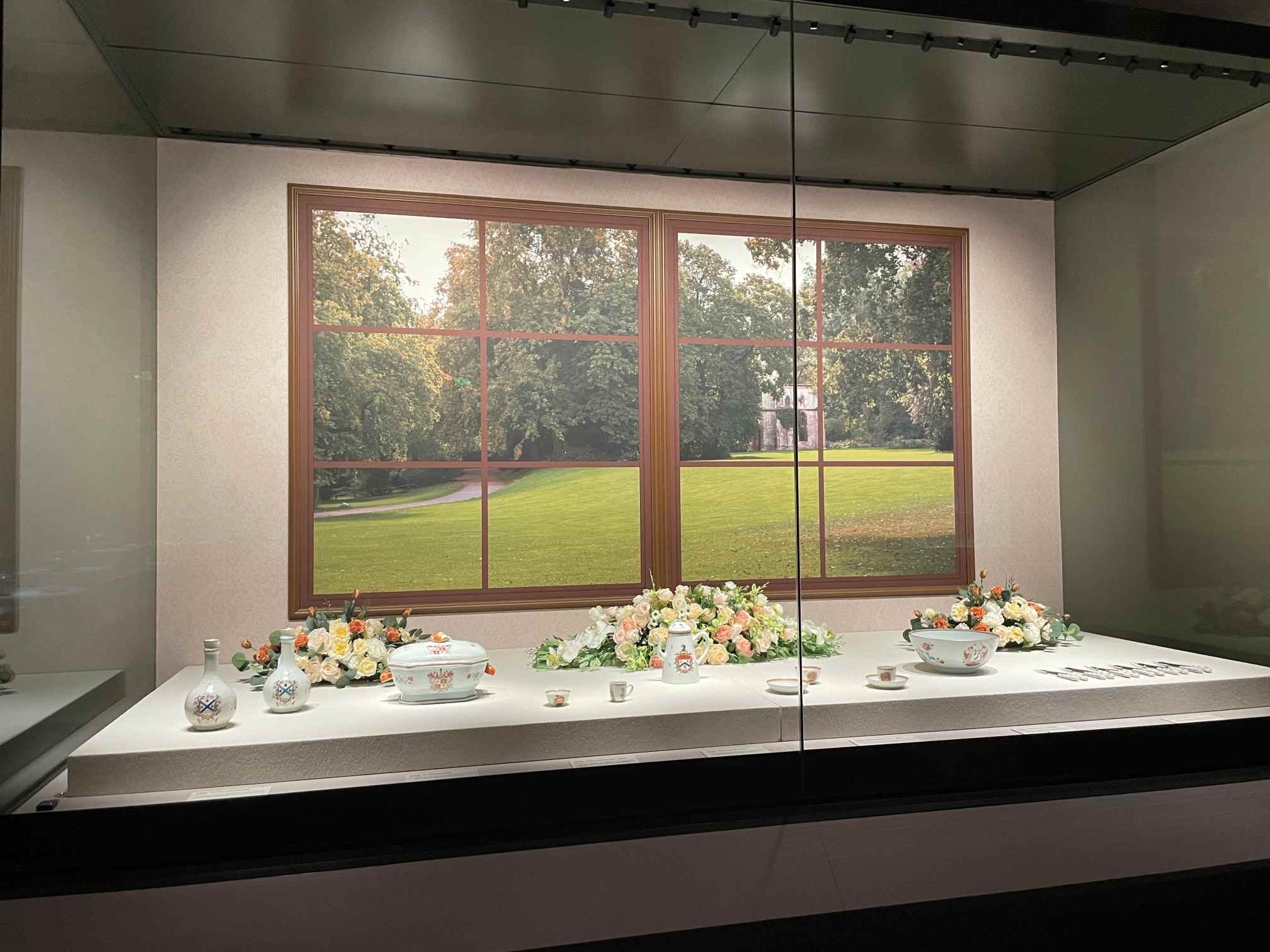
Core Viewpoint - The exhibition "Sailing and Merging Light - Special Exhibition of 18th-19th Century Chinese Armorial Porcelain from Tianjin Museum" highlights the significance of armorial porcelain as a cultural symbol and its role in the exchange between Chinese and Western cultures, showcasing its historical importance in the context of global trade and cultural interaction [1][4]. Group 1: Exhibition Overview - The exhibition features 135 pieces of 18th-19th century Chinese armorial porcelain, illustrating the material culture's dissemination mechanisms during ancient globalization and the mutual influence of Chinese and Western civilizations along the Silk Road [4]. - The exhibition is organized into three sections: "Porcelain Road Maritime Trade," "Noble Family Treasures," and "Beauty in Harmony," each focusing on different aspects of armorial porcelain's history and cultural significance [4]. Group 2: Cultural Significance - Armorial porcelain, characterized by its luxurious decoration and blend of Chinese and European artistic styles, serves as a vital cultural window, reflecting the deep dialogue between Eastern and Western economies and cultures throughout history [6]. - The exhibition is part of the capital museum's activities for the New Year and Spring Festival, running until March 3, 2026, emphasizing its role in promoting cultural collaboration in the Beijing-Tianjin-Hebei region [6].
135件套精美瓷器亮相 这场展览有何特别之处?
Zhong Guo Xin Wen Wang· 2025-11-18 09:15
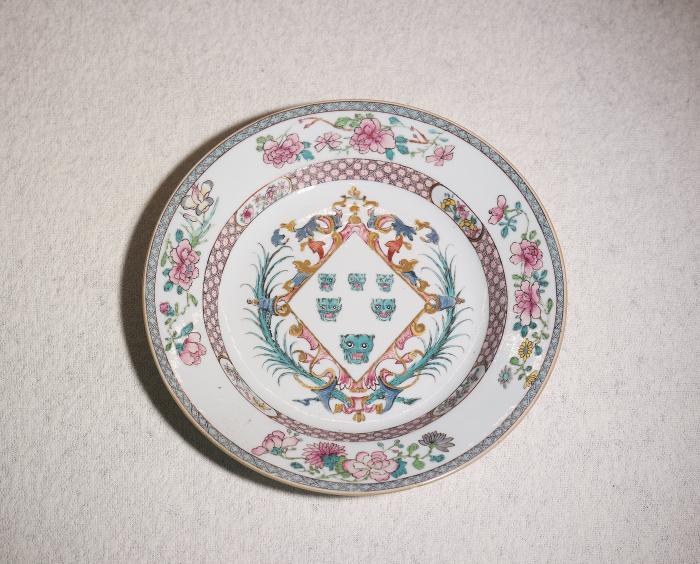
Core Viewpoint - The exhibition "Sailing and Merging Light - Special Exhibition of 18th-19th Century Chinese Armorial Porcelain from Tianjin Museum" showcases 135 pieces of armorial porcelain, highlighting the cultural exchange between China and the West, and will run until March 2026 [1][2]. Group 1: Exhibition Overview - The exhibition is divided into three sections: "Porcelain Road Maritime Trade," "Noble Family Treasures," and "Beauty in Harmony" [1][2]. - The first section, "Porcelain Road Maritime Trade," introduces the custom process and trade activities related to Chinese armorial porcelain [1]. - The second section, "Noble Family Treasures," focuses on the inheritance of armorial designs and the social functions of Chinese export armorial porcelain [2]. - The third section, "Beauty in Harmony," showcases the changes in porcelain border styles, illustrating the mutual influence of Eastern and Western aesthetics from the late 17th century to the early 19th century [2]. Group 2: Cultural Significance - Chinese export porcelain, particularly armorial porcelain, is characterized as "exotic flowers" from China, gaining fame overseas and reflecting the era's cultural exchanges [2]. - Armorial porcelain is a specially customized export porcelain known for its exquisite decorative effects and the blend of Eastern and Western artistic styles [2]. Group 3: Featured Artifacts - The Qing Yongzheng Famille Rose Izod Family Armorial Plate was custom-made for Elizabeth Izod, the last female heir of the family, known for her success in real estate [2]. - Among the thousands of armorial porcelain sets made during the Qing Dynasty, only thirty were customized for women [2]. - The Qing Yongzheng Famille Rose Worny Family Armorial Sauce Cup, designed to mimic early 18th-century Western silverware, features a Chinese decorative pattern with the motto "Virtue Above All" [4].
京津文博机构联动办展 百余件套瓷器“连接”中西文明
Zhong Guo Xin Wen Wang· 2025-11-17 08:23
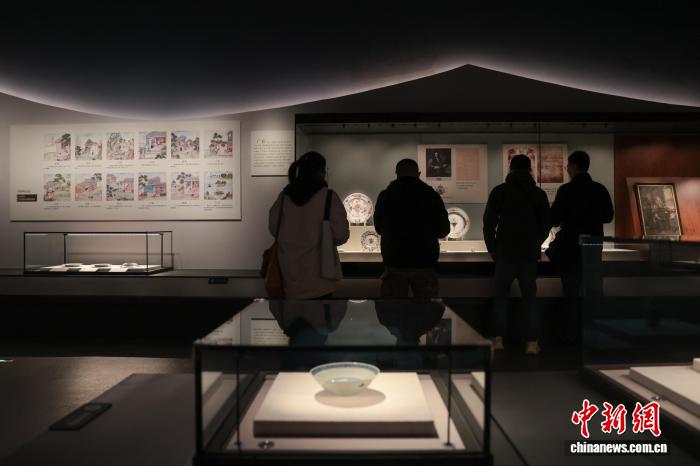
Core Points - The exhibition "Sailing and Light: Special Exhibition of 18-19 Century Chinese Armorial Porcelain from Tianjin Museum" opened on November 17 at the Grand Canal Museum in Beijing, showcasing 135 pieces of armorial porcelain that highlight cultural exchanges between China and the West [1][3][5] - Armorial porcelain, known for its exquisite decoration and blend of Chinese and Western artistic styles, represents a significant aspect of cultural interaction during the Ming and Qing dynasties [1][5] Summary by Sections Exhibition Overview - The exhibition features three sections: "Maritime Trade of Porcelain," "Noble Family Treasures," and "Beauty in Harmony" [3] - "Maritime Trade of Porcelain" introduces the customization process and trade activities related to Chinese armorial porcelain [3] - "Noble Family Treasures" focuses on the social functions and heritage of armorial designs in Chinese export porcelain [3] - "Beauty in Harmony" illustrates the mutual influence of Chinese and Western aesthetics from the late 17th century to the early 19th century through changes in porcelain decoration [3] Cultural Significance - Armorial porcelain is considered crucial in the history of porcelain development, embodying the essence of Sino-Western cultural exchange [5] - Notable exhibits include a Qing Yongzheng famille rose plate customized for Elizabeth Isod, an Irish figure known for her success in real estate, and a famille rose sauce cup imitating early 18th-century Western silverware [5] - The exhibition aims to promote resource sharing among cultural institutions and enhance cultural collaboration in the Beijing-Tianjin-Hebei region, contributing to the establishment of a cultural community [5]
“中国白·德化瓷”西班牙巡展开幕
Xin Hua She· 2025-11-12 23:30
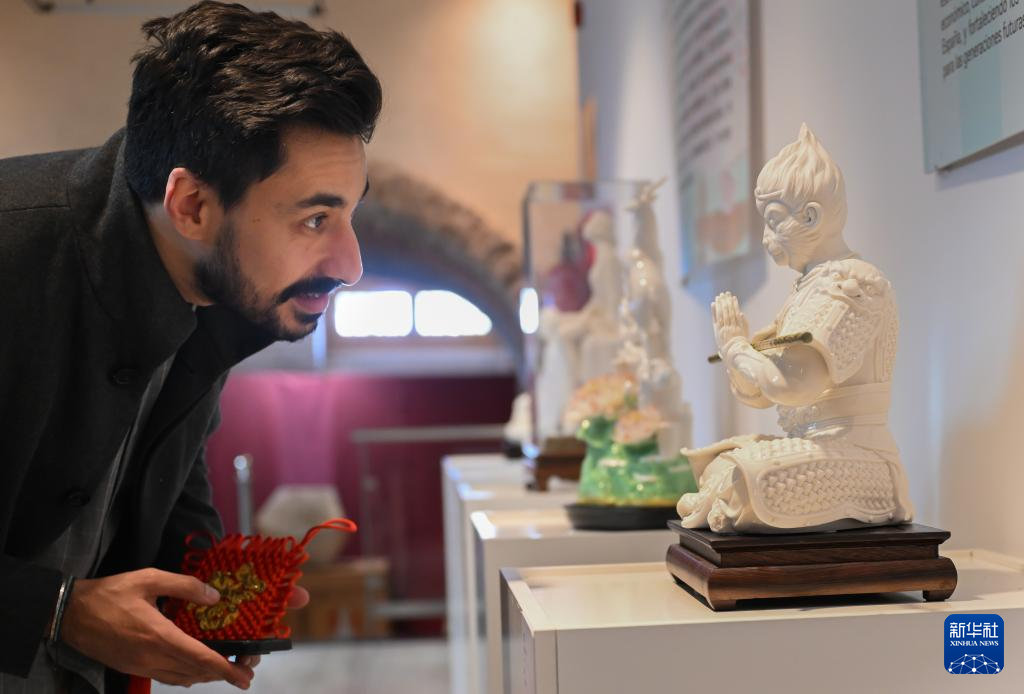
Core Viewpoint - The "Chinese White Dehua Porcelain" exhibition opened in Talavera de la Reina, Spain, showcasing the cultural ties and friendship between the ceramic cities of Dehua, China, and Talavera de la Reina, Spain [1][4]. Group 1: Cultural Exchange - The exhibition aims to use porcelain as a medium to bridge cultural exchanges between China and Spain, fostering mutual understanding and integration of cultures [4]. - Both Dehua and Talavera de la Reina have a long-standing tradition in ceramic production, which serves as a foundation for deeper cooperation in craftsmanship, design innovation, and market expansion [4]. Group 2: Exhibition Details - The exhibition features a selection of 50 pieces of contemporary Dehua porcelain, highlighting vivid forms and exquisite craftsmanship [4]. - It includes various formats such as documentaries, cultural creative products, and interactive experiences to enhance the understanding of Chinese ceramic art among the Spanish public [4]. - The event is organized by the Madrid Chinese Cultural Center, the China Foreign Cultural and Tourism Exchange Center, and the People's Government of Dehua County, Fujian Province [4].
齐鲁好书榜
Qi Lu Wan Bao· 2025-10-31 09:25
Group 1 - The article highlights the emotional complexities and societal issues surrounding elder care, as illustrated by Lynn Tillman's personal experiences with her mother [4] - It emphasizes the often-overlooked roles of women, particularly daughters, in caregiving, and critiques the lack of societal support for caregivers [4] - The narrative reveals the struggles faced by families in navigating healthcare systems, financial pressures, and emotional exhaustion during the caregiving process [4] Group 2 - The book "The Last Mission: The 1795 Dutch Mission to China and the Forgotten History of East-West Encounters" explores the historical context of the Dutch mission to China, providing insights into cultural exchanges and diplomatic relations [11] - It challenges traditional narratives of cultural conflict by presenting a nuanced view of 18th-century Sino-Western interactions [11] - The author aims to offer a fresh perspective on the complexities of historical encounters between China and the West, moving beyond simplistic notions of "openness" and "closure" [11]