中式服装

Search documents
“国潮”化身“顶流审美” “古韵国风”成为文旅消费新常态勾勒消费升级新图景
Yang Shi Wang· 2026-01-22 09:03
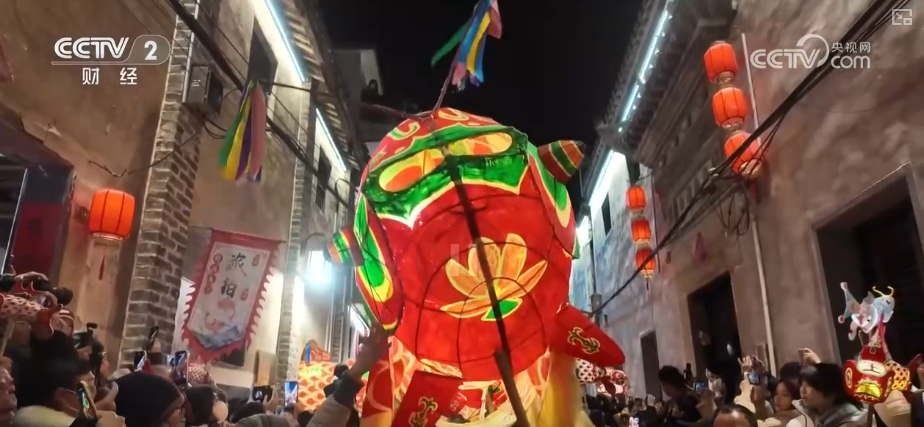
Core Insights - By 2025, service consumption expenditure is projected to account for 46.1% of per capita consumption expenditure in China, indicating a significant shift towards cultural and experiential spending in the consumer market [1] Group 1: Cultural and Tourism Consumption Trends - The "Chinese style" has become a top aesthetic trend, with the cultural tourism market experiencing both heritage preservation and economic benefits [1] - In 2025, the village of Zhanqi in Anhui's Shexian County saw a surge in tourism, with 257,800 visitors, a 410% increase year-on-year, generating over 10 million yuan in comprehensive income for rural tourism [17] - The popularity of intangible cultural heritage experiences, such as the fish lanterns, has transformed traditional practices into regular tourist attractions, enhancing local economic activity [9][15] Group 2: Growth in Cultural Experiences - The fish lantern experience has evolved from a seasonal event to a regular activity, with significant increases in rental and production orders, doubling sales from 2024 to 2025 [13] - In Jiangxi's Jingdezhen, the Tao Xi Chuan cultural district attracted 200,000 visitors for pottery experience courses in 2025, showcasing the growing interest in hands-on cultural activities [23] - The district has become a hub for both domestic and international tourists, with over 5,500 foreign visitors from 57 countries participating in pottery-making experiences [26] Group 3: International Interest in Chinese Culture - Foreign tourists are increasingly engaging with Chinese culture, as seen in Beijing where 5.48 million inbound tourists were recorded in 2025, a 39% increase, with tourism spending reaching 50.56 billion yuan, up 44.7% [34] - The trend of "Chinese style" travel experiences, such as traditional costume photography, is gaining popularity among international visitors, enhancing cultural exchange [30][32] - The overall cultural tourism market is shifting from superficial sightseeing to deeper engagement, with consumers willing to pay for cultural and participatory experiences [39]