乡村CEO培养项目

Search documents
上海首开乡村CEO学徒制班!“首席运营官”驻村操盘乡土特产
Xin Lang Cai Jing· 2026-01-15 03:58
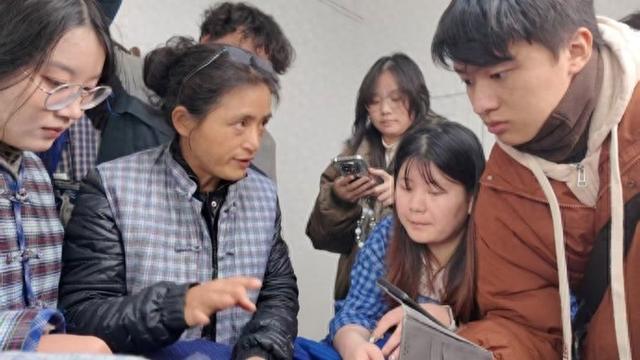
Core Insights - The article highlights the transformation of students in the first "Rural CEO Modern Apprenticeship Class" in Shanghai, showcasing their growth from inexperienced individuals to capable "Rural Chief Operating Officers" through practical training in rural settings [3][4][5]. Group 1: Program Overview - The "Rural CEO Modern Apprenticeship Class" is a collaboration between Shanghai Agricultural and Forestry Vocational Technical College and Yejia Town, aimed at addressing the local demand for skilled operational talent in rural areas [4]. - The program focuses on "integration of production and education, rooting in the countryside, and looking towards the future," distinguishing itself from traditional university student village official programs [4][5]. - The first cohort consists of 10 students from various majors, including agricultural economics and landscape design, who engage in immersive training by living and working alongside local villagers [4][5]. Group 2: Student Development - Within a short period, students have transitioned from "potential students" to "quasi-Rural CEOs," developing deep emotional connections with the local community and gaining practical experience [5][6]. - Students have produced 151 videos and conducted 28 live broadcasts to promote local intangible cultural heritage, demonstrating their evolution from learners to communicators [5][6]. - The program emphasizes hands-on experience, with students actively participating in local enterprises, such as the Fucai Courtyard, where they apply their learning in real-world scenarios [5][6]. Group 3: Future Aspirations - Students express a commitment to continue their journey as Rural CEOs, leveraging their training to enhance the market presence of traditional agriculture and local culture through online channels [6][9]. - The program aims to cultivate students into cultural communicators, participants in rural governance, industry development promoters, and village operation managers, fostering a new generation of rural leaders [9].