互联网医院系统

Search documents
互联网医院系统是一种新型医疗服务模式
Sou Hu Cai Jing· 2026-02-10 12:31
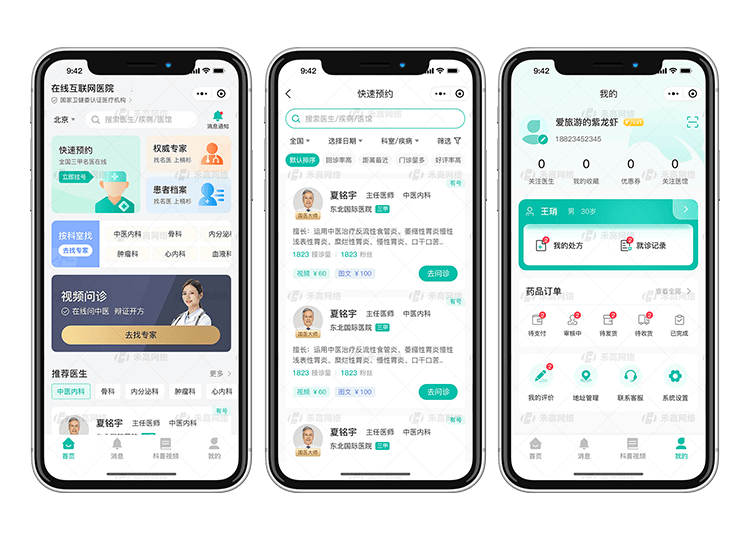
Core Insights - The internet hospital system is a new medical service model that integrates digital technology with healthcare, enhancing efficiency and accessibility while transforming traditional medical systems towards intelligent, precise, and human-centered care [1] Group 1: Technical Architecture - The internet hospital system is built on a microservices architecture, utilizing distributed storage and computing technologies to ensure high availability and elastic scalability [3] - It incorporates a network security protection system that meets national standards, ensuring patient privacy and medical data security through encryption, access control, and audit tracking [3] - The system supports multi-terminal access, including PC, mobile apps, and mini-programs, catering to diverse user habits [3] Group 2: Service Model Innovation - The system breaks traditional medical time and space barriers through an "online + offline" service model, allowing patients to complete appointments, video consultations, report inquiries, and online payments, thus reducing waiting times [4] - It enables doctors to provide consultations during fragmented time, improving diagnostic efficiency, and supports chronic disease management and health consultations, especially benefiting remote and mobility-impaired patients [4] - AI-assisted diagnostic tools are integrated into the system, utilizing natural language processing and medical image recognition to enhance diagnostic accuracy [4] Group 3: Optimization of Medical Resources - The internet hospital system promotes the implementation of hierarchical diagnosis and treatment by creating a regional medical collaboration platform, allowing grassroots medical institutions to request remote consultations from higher-level hospitals [5] - It facilitates the sharing of electronic medical records and mutual recognition of test results within medical alliances, reducing redundant examinations and lowering patient burdens [5] - The system can quickly deploy functions for epidemic monitoring and health education in public health emergency management, providing digital support for epidemic prevention [5] Group 4: Data-Driven Decision Making - The system collects multidimensional medical data to create patient health profiles, providing data support for clinical decision-making [5] - It includes a medical quality monitoring module that analyzes treatment behaviors, medication rationality, and patient satisfaction in real-time, assisting hospital managers in optimizing service processes [5] - Big data analysis can uncover disease occurrence patterns and predict medical needs, offering scientific basis for health policy formulation and discipline construction [5] Group 5: Challenges and Future Outlook - Despite significant progress, the internet hospital system faces challenges such as lack of standardization, insufficient insurance coverage, and limited depth of online doctor-patient interactions [5] - With the maturation of technologies like 5G and digital twins, the system is expected to evolve towards intelligent and personalized healthcare [5] - Future innovations may include virtual clinics and metaverse consultation rooms, real-time monitoring of vital signs through wearable devices, and data interoperability with commercial insurance and health management institutions, creating a comprehensive health service ecosystem [5]

互联网医院系统|互联网医院成品|互联网医院系统开发
Sou Hu Cai Jing· 2026-02-07 08:17
Core Viewpoint - The development of internet hospital systems is a crucial aspect of modern healthcare information technology, aiming to achieve online, intelligent, and efficient medical services through the integration of various technologies [1][5]. Group 1: System Features - The system is designed to cover the entire patient care process, including online consultations, electronic prescriptions, remote consultations, health record management, drug delivery, and insurance settlement [1]. - The architecture follows principles of high availability, security, and scalability, allowing independent deployment of functional modules to enhance system stability and maintenance efficiency [3]. - Data security and privacy protection are core requirements, adhering to national health regulations and implementing multi-layer identity authentication, data encryption, and access control to prevent data breaches [3]. Group 2: Integration and Functionality - The system must integrate with traditional medical information systems like HIS, LIS, and PACS to ensure real-time synchronization and sharing of diagnostic data [3]. - It should support intelligent features such as smart triage, symptom self-check, and AI-assisted diagnosis to improve initial diagnosis accuracy and service response speed [3]. Group 3: Sustainable Development - Sustainable development of the internet hospital system requires policy support and inter-agency collaboration, including promoting interoperability with insurance systems and exploring reimbursement pathways for online consultations [4]. - Training and assessment of medical personnel for online practice are essential to standardize internet diagnosis and ensure quality and safety in medical services [4]. Group 4: Transformation of Healthcare Services - The development of internet hospital systems represents not only a technological innovation but also a profound transformation in healthcare service models, aiming to create an equitable, accessible, and high-quality smart healthcare service system [5].
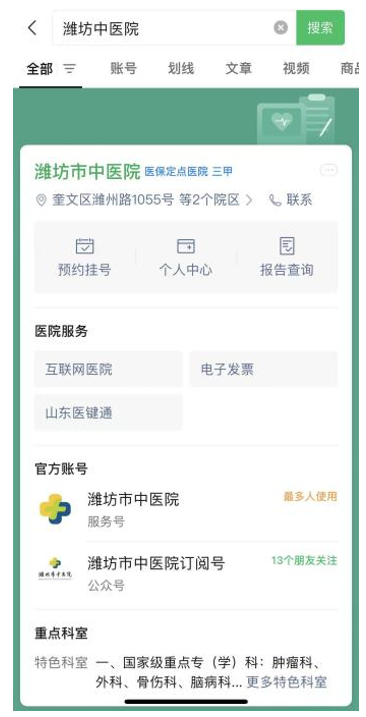
潍坊市中医院互联网医院系统焕新启航
Qi Lu Wan Bao Wang· 2025-09-15 03:31
Core Viewpoint - The Weifang Traditional Chinese Medicine Hospital has upgraded its internet hospital system, introducing four core modules to enhance patient access to traditional Chinese medicine through technology, making healthcare more convenient and efficient [1][30]. Group 1: Internet Consultation - The internet consultation feature allows patients to consult renowned doctors online, significantly reducing the time and effort required for follow-up visits [1]. - Patients can easily navigate the system by following the hospital's official WeChat account, selecting departments, and engaging in consultations via text and images [1]. - The system enables online prescription issuance and payment, streamlining the process for patients [1]. Group 2: Custom Medicine Clinic - The custom medicine clinic offers unique services, allowing patients to purchase classic prescriptions online and receive them at home through cold chain delivery [8]. - Services include custom processing of traditional Chinese medicine, such as decoction and pill-making, ensuring quality through reliable delivery methods [8]. Group 3: Convenient Medication Purchase - The convenient medication purchase module features an online prescription sharing platform, allowing prescriptions to flow directly to the pharmacy, eliminating the need for patients to travel for medication [12]. - An intelligent prescription review system employs AI and pharmacist oversight to ensure the safety and accuracy of prescriptions [12]. Group 4: Nutrition and Dietary Therapy - The nutrition and dietary therapy module provides personalized meal plans based on traditional Chinese medicine principles, tailored to individual health conditions and seasonal changes [21][22]. - Patients can complete a questionnaire to receive a detailed report on their body constitution, which informs the recommended dietary plans [22]. Group 5: Addressing Patient Pain Points - The system upgrade directly addresses four major challenges faced by patients: difficulty in booking specialist appointments, inconvenience in purchasing specialty medications, lengthy consultation times, and challenges in executing health plans [30]. - By creating a closed-loop system of "medical services + medications + support," the hospital aims to provide a more efficient and high-quality healthcare experience for patients [30].