京剧课程

Search documents
新疆库尔勒:“守艺人”让戏曲在少年心间生根
Zhong Guo Xin Wen Wang· 2025-12-17 22:24
Core Viewpoint - The article highlights the efforts of Zhou Xiaoning in promoting traditional Chinese opera among children in Korla, Xinjiang, through her newly established cultural training center, emphasizing the importance of cultural heritage and community engagement in arts education [1] Group 1: Background and Development - Zhou Xiaoning, a trained performer in traditional Chinese opera, transitioned from performance to education, aiming to instill a love for opera in the younger generation [1] - The establishment of the Xiaoluohao Cultural Arts Training Center in Korla offers courses in various opera styles, including Peking opera, Henan opera, and Huangmei opera, showcasing a commitment to cultural education [1] Group 2: Community Impact - The center provides free tuition for children from low-income families, demonstrating a focus on accessibility and community support in arts education [1] - Increasing interest in traditional opera among students is evident, with more schools in Korla incorporating opera classes into their curriculum, fostering a new generation of opera enthusiasts [1] Group 3: Personal Commitment - Zhou Xiaoning expresses a deep personal commitment to the transmission of traditional arts, believing that the vitality of opera lies in its grassroots engagement and accessibility to the public [1]
经费紧张、师资短缺、场地受限,社区老年大学如何持续发展?
Bei Jing Ri Bao Ke Hu Duan· 2025-09-22 04:14
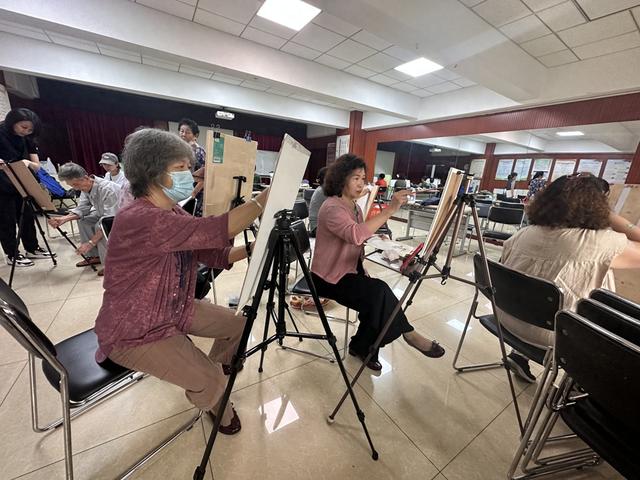
Core Insights - The increasing demand for lifelong learning among the elderly has led to the rise of community senior universities, which serve as important venues for enriching their later years [1][23] - Community senior universities face challenges such as funding shortages, lack of qualified teachers, and limited space, prompting them to explore sustainable development strategies [1][9][23] Funding and Operational Challenges - Community senior universities typically charge low tuition fees, such as 60 yuan per semester, which barely covers material costs and does not sufficiently support teacher salaries [9][23] - The annual operating cost of these institutions is around 70,000 to 80,000 yuan, with funding primarily sourced from community party service funds, which are also allocated to various other community activities [9][10] - The lack of government support for specialized funding exacerbates the financial strain, making it difficult to attract younger, professionally trained teachers [9][10][23] Educational Offerings and Community Engagement - Classes at community senior universities are diverse, including painting, calligraphy, and traditional Chinese opera, with a significant number of students willing to travel long distances to attend [8][14] - The community senior university has cultivated over 4,000 students since its inception in 2004, becoming a hub for social interaction and cultural exchange among the elderly [8][23] - The educational environment is characterized by high student engagement, with classes often filled to capacity and students actively participating in discussions and peer evaluations [5][7][14] Innovative Solutions for Sustainability - To address the shortage of teachers, community senior universities are tapping into local talent by recruiting skilled residents to teach classes, thereby enhancing the quality of education [15][20] - Partnerships with local educational institutions and organizations are being formed to provide professional teaching resources and expand course offerings [17][22] - Community-driven initiatives, such as electing class leaders from among the students, help manage classes and reduce operational burdens on the community [20][22] Importance of Community Senior Universities - These institutions play a crucial role in meeting the educational and social needs of the elderly, contributing to their mental well-being and community cohesion [13][23] - The success of community senior universities highlights the need for a supportive framework involving government, community, and social organizations to ensure their long-term viability and effectiveness [23]