
全氟和多氟烷基物质

Search documents
日本永久性化学物参考标准制定遭疑
Xin Lang Cai Jing· 2026-01-10 09:08
Group 1 - The Japanese Cabinet Office assigned a subordinate committee to study the health hazards of perfluoroalkyl and polyfluoroalkyl substances (PFAS) and to establish reference intake standards, but there are allegations of "backroom dealings" in the process, leading to the exclusion of numerous references and resulting in overly lenient standards [1] - PFAS are known as "forever chemicals" due to their persistence in the environment and accumulation in the human body [1] - In 2023, regions such as Okinawa, Osaka, and Tokyo have reported exceeding levels of PFAS in water bodies, with abnormal blood test results among nearby residents [1] Group 2 - The areas affected are mostly located near U.S. military bases and Japan's Self-Defense Forces bases, which are considered potential sources of contamination [1]
日媒:日本航空自卫队基地多处水体检出“永久性化学物”
Xin Lang Cai Jing· 2025-12-25 09:09
Core Viewpoint - The detection of elevated levels of perfluoroalkyl and polyfluoroalkyl substances (PFAS) in water bodies near the Japan Air Self-Defense Force base in Miyazaki Prefecture raises health concerns for local residents due to the potential long-term effects of these "forever chemicals" [1] Group 1: Environmental Impact - Seven out of eight water bodies tested around the Nittahara base were found to have PFAS levels exceeding safety standards, with one sample showing a concentration of 1200 nanograms per liter, which is 24 times higher than Japan's provisional national standard [1] - Compared to the previous water quality survey conducted in August, six water bodies showed an increase in PFAS levels, indicating worsening pollution [1] Group 2: Health Concerns - Experts warn that long-term consumption of water contaminated with PFAS may adversely affect reproductive health and child development, and could potentially lead to diseases such as breast cancer and prostate cancer [1] Group 3: Government Response - The Miyazaki Prefectural Government plans to conduct quarterly water quality surveys for the identified contaminated water bodies and has requested cooperation from the Nittahara base to investigate the source of the pollution [1] Group 4: Broader Context - Since 2023, there have been reports of elevated PFAS levels in water bodies in Okinawa, Osaka, and Tokyo, with abnormal blood test results among nearby residents, suggesting a potential link to U.S. military bases and Japan Self-Defense Forces bases as possible pollution sources [1]
日本自卫队基地水体检出“永久性化学物”
第一财经· 2025-12-25 00:58
Group 1 - The Japanese Self-Defense Forces have detected elevated levels of perfluoroalkyl and polyfluoroalkyl substances (PFAS) in multiple water bodies around a base in Miyazaki Prefecture, with 7 out of 8 tested sites exceeding safety limits [1] - PFAS are known as "forever chemicals" due to their persistence in the environment and human body, and long-term exposure to contaminated water may adversely affect reproductive health, child development, and potentially lead to cancer [3] Group 2 - Recent news includes the U.S. ending its previous government's investigation into Chinese chip trade, with no additional tariffs on Chinese chips for the next 18 months [4] - Ukraine's President Zelensky expressed the desire for a clear timeline for Ukraine's EU membership [4] - Twelve provinces in China have reported total tourism revenue exceeding 1 trillion yuan, with two more provinces aiming to achieve this milestone [4]

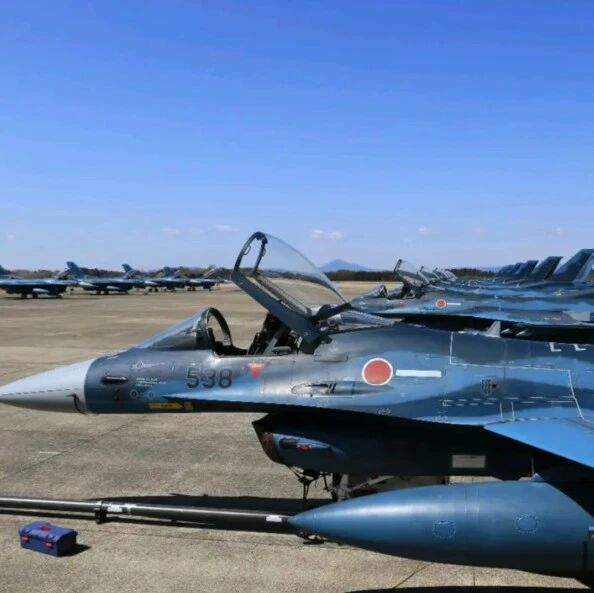
日本一航空自卫队基地水体检出“永久性化学物”
Yang Shi Xin Wen· 2025-12-24 18:41
Core Viewpoint - Recent tests at a Japan Air Self-Defense Force base in Miyazaki Prefecture revealed elevated levels of perfluoroalkyl and polyfluoroalkyl substances (PFAS) in multiple water bodies [1] Group 1: Environmental Impact - The latest investigation showed that out of eight tested water bodies around the New Tanegashima base, seven exceeded the safe limits for PFAS [1] - PFAS are known as "forever chemicals" due to their persistence in the environment and human body, making them difficult to degrade [1] Group 2: Health Concerns - Experts warn that long-term consumption of water contaminated with PFAS may adversely affect reproductive health and child development, and could potentially lead to cancer and other diseases [1] Group 3: Government Response - The Miyazaki Prefectural Government has requested the New Tanegashima base to cooperate in investigating the source of the pollution [1]
日本民众要求调查美军基地“永久性化学物”污染问题
Xin Hua She· 2025-12-02 03:20
Core Viewpoint - The detection of elevated levels of per- and polyfluoroalkyl substances (PFAS) in water near the U.S. military base in Iwakuni, Japan, has prompted local civic groups to demand investigations and remediation efforts from the Japanese government and the U.S. military [1][2] Group 1 - A civic group has been conducting water quality tests near the Iwakuni base since October of last year, with the latest results showing PFAS concentrations at 134.4 nanograms per liter, approximately 2.7 times the national standard in Japan [1] - The group is urging the Japanese government and the U.S. military to investigate the pollution source to protect public health [1][2] Group 2 - A Yamaguchi Prefecture official stated that there are no plans to request an investigation from the U.S. military, which has led to strong local opposition [2] - The civic group expressed disappointment over the government's lack of action regarding the evident pollution, emphasizing concerns for public health [2] Group 3 - PFAS are known as "forever chemicals" due to their persistence in the environment and human body, with potential health risks including reproductive issues and increased cancer risks [2] - Reports from 2023 indicate that other regions in Japan, such as Okinawa, Osaka, and Tokyo, have also experienced elevated PFAS levels in water, with nearby residents showing abnormal blood test results [2]
驻日美军岩国基地外来毒蜘蛛激增 原因不明
Yang Shi Xin Wen· 2025-11-16 18:07
Core Insights - The number of invasive venomous spiders around the U.S. military base in Iwakuni, Yamaguchi Prefecture, Japan, has surged, prompting local government requests for their eradication [1] Group 1: Spider Infestation - The U.S. military reported that from July 22 to October 21 this year, a total of 3,506 invasive venomous spiders were removed from the Iwakuni base, representing a 50% increase compared to the same period last year, marking the highest number since records began in 2006 [1] - The invasive spider species identified include the redback spider, black widow spider, and brown widow spider [1] Group 2: Environmental Concerns - In addition to the spider issue, the Iwakuni base has been accused of polluting nearby water bodies [1] - A citizen group in Iwakuni released a report indicating that levels of perfluoroalkyl and polyfluoroalkyl substances (PFAS) in the water near the base exceeded safe limits, posing potential health risks to local residents [1] - PFAS are known as "forever chemicals" due to their persistence in the environment and human body, with long-term exposure linked to reproductive health issues and various cancers [1]