
冠脉CTA

Search documents
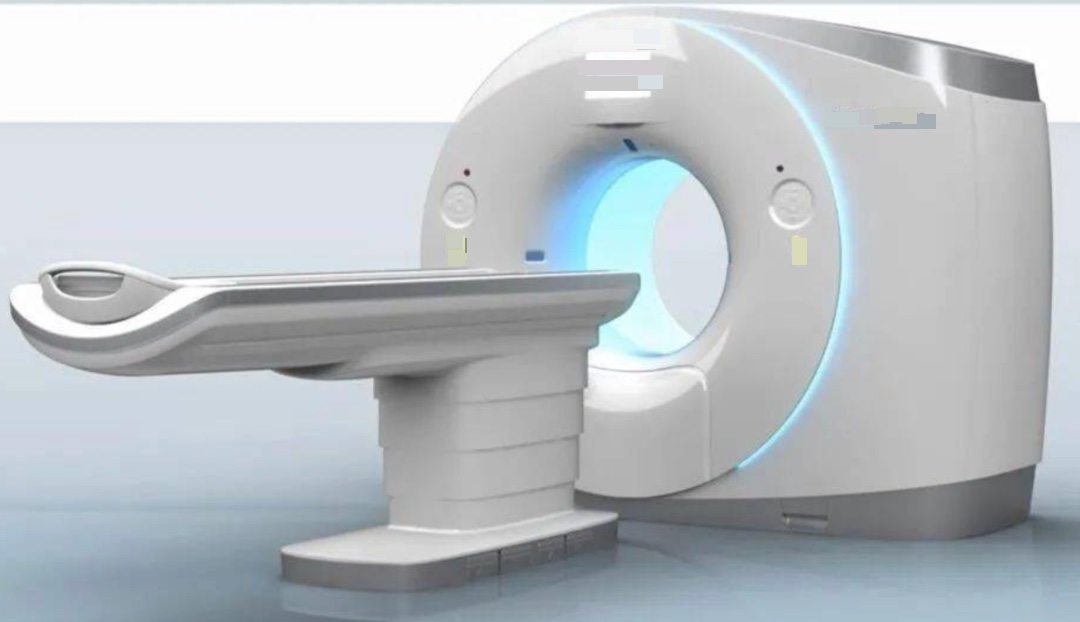
济南市三院影像中心双源CT新技术全面开展,精准影像护健康
Qi Lu Wan Bao· 2026-02-27 06:42
Core Insights - The Jinan Third People's Hospital's Imaging Center is set to enhance regional imaging diagnostic capabilities with the official launch of dual-source CT in July 2025, aiming to provide more efficient, precise, and safe medical services for patients [1] Group 1: Technology and Applications - Dual-source CT, featuring dual tubes and dual detectors, offers rapid scanning, dual-energy imaging, and low radiation dose, overcoming the limitations of traditional CT scans [3] - The Imaging Center has introduced several advanced imaging techniques, including coronary CTA for non-invasive coronary artery disease screening, brain dual-energy CT for precise diagnosis of brain tissue lesions, and integrated heart-brain CTA scanning to reduce examination time and contrast agent usage [3] Group 2: Emergency and Critical Care - The Imaging Center's one-stop stroke scanning integrates whole brain scanning, vascular imaging, and perfusion analysis to quickly identify stroke types and affected areas, providing critical imaging guidance for emergency treatments [3] - The chest pain triad one-stop scan allows for simultaneous assessment of coronary, pulmonary, and aortic conditions, enabling rapid diagnosis of life-threatening causes of chest pain, thus facilitating timely treatment for critically ill patients [3]

隐匿性心血管病患者注意! 创伤应激易成心梗“导火索”
Xin Lang Cai Jing· 2026-01-23 09:38
Core Viewpoint - A 56-year-old male patient suffered a rib fracture due to a fall in snowy weather, leading to an acute myocardial infarction during hospitalization, highlighting the risks associated with trauma in patients with underlying cardiovascular conditions [1][2]. Group 1: Patient Case Summary - The patient was admitted with a heart rate of 128 beats per minute, blood pressure of 85/50 mmHg, and oxygen saturation at 92%, indicating a critical condition [1]. - Diagnostic tests revealed ST-segment elevation on the ECG and troponin levels exceeding normal values by 30 times, confirming a high-risk acute myocardial infarction [1]. - The patient's prior health history showed no significant symptoms of heart disease, suggesting that the trauma and pain from the fall triggered the heart attack [1]. Group 2: Medical Response and Treatment - The hospital's emergency team activated a green channel for myocardial infarction, administering antiplatelet and anticoagulant therapy while maintaining blood pressure through fluid resuscitation [1]. - An urgent PCI (Percutaneous Coronary Intervention) was performed, revealing complete occlusion of the proximal left anterior descending artery, which was successfully treated with a stent [1]. - Post-surgery, the patient's heart rate decreased to 82 beats per minute, blood pressure improved to 110/70 mmHg, and chest pain symptoms alleviated, allowing for transfer to a regular ward for recovery [1]. Group 3: Recommendations and Warnings - It is advised that individuals with significant trauma, especially those with hidden cardiovascular diseases, undergo thorough cardiovascular assessments before invasive procedures [2]. - Immediate medical attention is crucial if symptoms such as chest pain, sweating, or difficulty breathing occur post-surgery or trauma, as the critical intervention window for myocardial infarction is within 1-2 hours [2].