
分期付款服务

Search documents
日本消费金融的发展经验与启示
Sou Hu Cai Jing· 2026-01-22 03:33
Core Insights - The Japanese consumer finance industry has developed a mature system through various market cycles, providing valuable lessons for global consumer finance and demonstrating its significant value and potential in economic development [1] Group 1: Development History of Japanese Consumer Finance - Economic Boom Period: The consumer finance sector emerged post-1945, driven by rapid economic recovery and rising consumer demand, particularly for durable goods like cars and appliances, leading to the establishment of over 200,000 companies by the late 1970s [2] - Economic Prosperity Period: From 1975 to 1990, despite a slowdown in GDP growth to around 8%, the entry of banks into consumer finance marked a turning point, enhancing the financial attributes of the industry and leading to regulatory improvements with the introduction of the Money Lending Business Control Law in 1983 [3] - Economic Bubble Burst Period: The late 1980s economic bubble led to a significant industry reshuffle, with companies like Takefuji demonstrating resilience. However, regulatory measures were strengthened post-2000 to ensure compliance and stabilize the industry [4] - Post-Deflation Recovery Period: The rise of the millennial and Gen Z consumer segments, coupled with government policies, revitalized the industry, with personal loan volumes steadily increasing and bank-led consumer finance becoming the dominant force [5][8] Group 2: Lessons from Japanese Consumer Finance - Anchoring to the Real Economy: The development of consumer finance in Japan has consistently aligned with the real economy, enhancing consumer demand and supporting manufacturing and retail sectors [10] - Seizing Cyclical Opportunities: The industry has shown resilience during economic downturns, with companies like Takefuji capitalizing on consumer needs while managing risks through prudent credit practices [11] - Compliance-Driven Development: The evolution of the industry has been supported by a robust regulatory framework that emphasizes consumer protection and operational compliance, fostering a healthier competitive landscape [12] - Dynamic Collaboration: The coexistence of non-bank and bank-led consumer finance has optimized service delivery and adapted to varying economic conditions, enhancing the industry's overall capacity [13] Group 3: Implications for China's Consumer Finance Industry - Focusing on Real Economy: China's consumer finance sector can learn from Japan's experience by targeting key areas like automotive and green consumption to stimulate domestic demand [14] - Strengthening Compliance and Consumer Protection: Emphasizing consumer rights and compliance throughout operations will be crucial for sustainable growth in China's consumer finance industry [15] - Leveraging Digital Empowerment: The integration of digital technologies can enhance risk management and service delivery, fostering a more robust and diversified industry ecosystem [16] Group 4: Future Outlook for Consumer Finance - The Japanese consumer finance industry has demonstrated resilience and adaptability, maintaining its core values while evolving through various cycles, indicating a promising future for consumer finance as a vital link between consumption and finance [17]

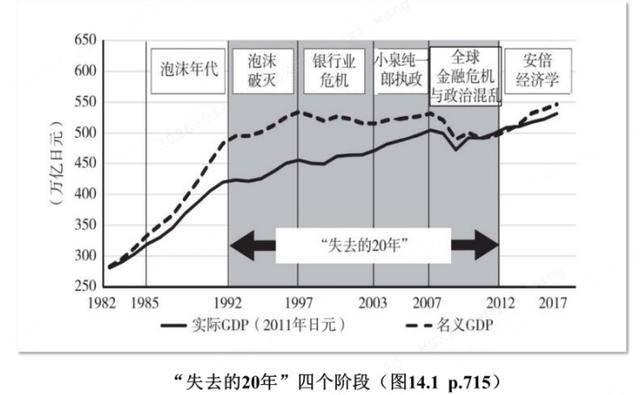
美股,将迎密集IPO
Zheng Quan Shi Bao· 2025-09-04 23:09
Group 1: IPO Overview - Klarna, a European payment giant, is planning to raise up to $1.27 billion through its IPO, with a proposed share price of $35 to $37, potentially valuing the company at $14 billion post-IPO [2][3] - Other companies like Gemini, Black Rock Coffee Bar, Figure, and Legence are also preparing for their IPOs, aiming to enter the U.S. capital market in September [1][2] Group 2: Klarna's Financial Performance - Klarna reported total revenue of $1.52 billion in the first half of the year, with a net loss of $153 million, compared to $1.33 billion in revenue and a net loss of $38 million in the same period last year [2] - The company's valuation peaked at $45.6 billion in 2021 but dropped to $6.7 billion after a funding round in 2022, reflecting an 85% decrease [3] Group 3: Cryptocurrency IPOs - Gemini plans to issue 16.67 million shares at a price range of $17 to $19, aiming to raise up to $317 million and achieve a valuation of $2.22 billion [4][5] - Figure, a blockchain-based lending institution, is set to offer 26.3 million shares at $18 to $20, potentially raising up to $526.3 million and reaching a valuation of $3.37 billion [5] Group 4: Market Conditions for IPOs - The IPO market is expected to see a resurgence as concerns over U.S. tariffs have eased, with many companies that previously postponed their listings now looking to take advantage of the fall window [7] - Analysts believe that the strong sentiment towards U.S. IPOs will continue into 2025, particularly for tech companies focused on growth [7][8]
美股,将迎密集IPO!
证券时报· 2025-09-04 15:17
Group 1: IPO Overview - Klarna, a European payment giant, is the most anticipated IPO in the US market, aiming to raise up to $1.27 billion with a proposed share price of $35 to $37, potentially valuing the company at $14 billion post-IPO [3][4] - Other companies like Gemini, Black Rock Coffee Bar, Figure, and Legence are also preparing to go public, with expectations of a significant IPO window from early September to mid-October [1][6] Group 2: Klarna's Financial Performance - In the first half of the year, Klarna reported total revenue of $1.52 billion and a net loss of $153 million, compared to $1.33 billion in revenue and a net loss of $38 million in the same period last year [3] - Klarna's valuation peaked at $45.6 billion in 2021 but dropped to $6.7 billion after a funding round in 2022, reflecting an 85% decrease [4][5] Group 3: Cryptocurrency IPOs - Gemini, a digital asset exchange, plans to issue 16.67 million shares at a price range of $17 to $19, aiming to raise up to $317 million with a valuation of $2.22 billion [7] - Figure, a blockchain lending institution, is set to go public with existing shareholders selling 26.3 million shares at a price range of $18 to $20, potentially raising up to $526.3 million and achieving a valuation of $3.37 billion [8] Group 4: Market Conditions for IPOs - The IPO market faced stagnation after the Trump administration's tariffs announcement in April, but investor concerns have eased, leading to a resurgence in IPO activity [10] - Analysts believe that the strong sentiment for US IPOs will continue into 2025, particularly for tech-focused companies related to US consumers [10][11]

美媒:“可爱债”正在兴起
Huan Qiu Shi Bao· 2025-08-20 22:38
Core Insights - The rise of "buy now, pay later" (BNPL) services is significantly driven by young female consumers, with projected transaction volumes reaching nearly $117 billion this year [1][2] - Women are 68% more likely to use installment payment services compared to men, with clothing and accessories accounting for over half of the total value of goods purchased through these services [1] - The revenue model for BNPL companies primarily relies on fees charged to retailers rather than consumers, promoting easier spending for women [1] Group 1 - The average debt for men is higher than for women, but women are increasingly adopting BNPL services, leading to a normalization of debt in their lives [1] - A personal account illustrates how the ease of using BNPL can lead to accumulating debt, with compounding interest making it difficult to pay off balances [1][2] - Social media influencers play a significant role in promoting BNPL, creating a culture of consumption that pressures women to keep up with peers, both real and virtual [2] Group 2 - The integration of BNPL into credit scoring systems this summer may influence consumer behavior, encouraging more prudent financial decisions [2] - The perception that women should spend money contributes to a stereotype that undermines financial literacy among female consumers [2]