
加德尔导弹

Search documents
特朗普松口“有条件谈判”,伊朗:不谈
21世纪经济报道· 2026-03-11 01:17
Group 1 - The conflict between the US and Iran has escalated, with over 15,000 Iranian citizens reported injured and significant military actions taken by both sides [1][4] - The US claims to have destroyed over 90% of Iran's missile launchers and has conducted extensive military operations targeting Iranian assets [5] - Iran has initiated a new phase of military operations, launching various missile types against US and Israeli targets [4][9] Group 2 - President Trump has indicated a possibility of conditional negotiations with Iran, but Iranian officials have firmly rejected the idea of dialogue [2][3] - Iran's leadership has emphasized a commitment to retaliate against any military actions, adopting a principle of "an eye for an eye" [9][10] - The strategic significance of the Strait of Hormuz has been highlighted, with threats from both sides regarding control and access to this critical shipping route [11][12]

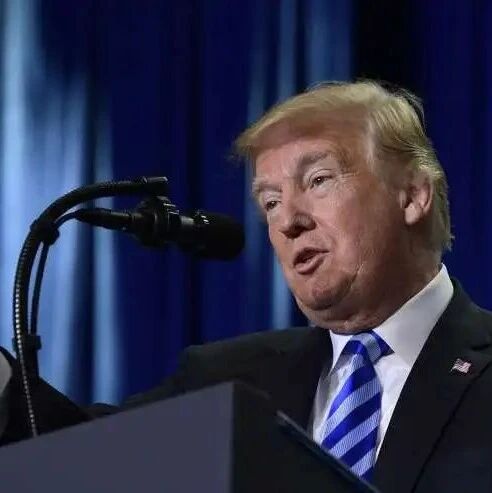
特朗普松口“有条件谈判”,伊朗:不谈
第一财经· 2026-03-11 00:21
Core Viewpoint - The ongoing military conflict between the U.S. and Israel against Iran has escalated significantly, with both sides reporting substantial casualties and military actions, indicating a potential for further escalation in the region [2][4][6]. Group 1: Military Actions and Casualties - Over 15,000 Iranian citizens have been reported injured due to the conflict, with 1,682 still receiving treatment in hospitals [5]. - The U.S. claims to have destroyed over 90% of Iran's missile launchers and 80% of its drone launchers, with more than 5,000 targets hit and 51 Iranian naval vessels sunk [6][9]. - The Israeli military has conducted airstrikes on Iranian drone headquarters, claiming to have killed approximately 1,900 Iranian soldiers and commanders [8]. Group 2: Diplomatic Stance and Negotiations - U.S. President Trump expressed a conditional willingness to negotiate with Iran, but Iranian officials have firmly rejected the idea of talks, citing a lack of trust in U.S. diplomatic efforts [3][4]. - Iranian officials have reiterated their commitment to defending national sovereignty and have stated that there are no red lines in this regard [3]. Group 3: Strategic Implications in the Region - The Strait of Hormuz has become a focal point of tension, with Iran's Revolutionary Guard asserting control over the passage and warning against the passage of vessels associated with hostile forces [10][11]. - Trump has threatened severe military consequences if Iran disrupts oil transportation through the Strait, indicating the strategic importance of this region for global energy supplies [10][12].

伊朗:发射“加德尔”“法塔赫”等多型导弹,动用“海巴尔”高超音速导弹,军事行动进入全新阶段
中国能源报· 2026-03-11 00:21
Group 1 - The Iranian Islamic Revolutionary Guard Corps announced details of the "Real Commitment 4" operation, stating that various missile types, including "Qader," "Imad," and "Fateh," were launched, marking a new phase in military actions against the US and Israel [1] - The operation involved missile and drone strikes targeting US military bases in Abu Dhabi and Bahrain, as well as multiple military targets in northern Israel, including the Ramat David Air Force Base and Haifa civilian airport [1] - Iran's target database for strikes against US and Israeli military resources is reported to be ten times larger than that of the adversaries [1] Group 2 - On the early morning of the 11th, Iran announced the implementation of the "Real Commitment 4" 37th military operation, which involved missile strikes on US bases in Erbil, Iraq, and other targets including the US Fifth Fleet and locations in Tel Aviv [2]
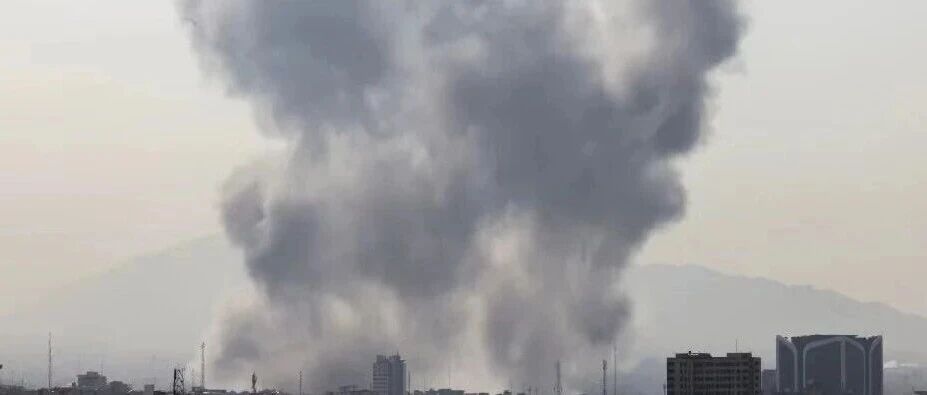
伊朗、美国、以色列公布最新战报
财联社· 2026-03-08 01:18
Core Viewpoint - The article discusses the recent military actions taken by Iran against Israel and U.S. military targets, highlighting the scale and intensity of the conflict, as well as the responses from both sides. Group 1: Iran's Military Actions - Iran's armed forces conducted the "Real Commitment 4" operation, utilizing missiles such as "Hezbollah Shikan," "Imad," and "Qader" to strike multiple targets across Israel, with some missiles equipped with cluster warheads [2][3] - In the first week of the conflict, Iran executed a multi-layered offensive strategy, reporting 600 missile strikes and 2600 drone operations, targeting over 200 sensitive locations associated with U.S. and Israeli forces [5][6] - Iran's Revolutionary Guard emphasized that the scale of firepower used in the initial three days of conflict matched the total firepower used during the entire "12-day war" [6] Group 2: Impact on U.S. and Israeli Targets - Iranian forces reported that 17 vessels belonging to the U.S., Israel, and their allies were struck during the conflict [7] - U.S. military bases in Bahrain, Qatar, and the UAE faced multiple missile and drone attacks from Iran [8] - Key Israeli government and military facilities, including the Israeli Defense Forces headquarters and Ben Gurion International Airport, were also targeted and hit by Iranian strikes [8] Group 3: Israeli Military Response - The Israeli Defense Forces announced the destruction of Iranian air defense command facilities responsible for aerial assessments and defense [9] - Israel's air force conducted over 3400 airstrikes against Iranian targets, dropping more than 7500 bombs, which is double the amount used in previous operations [11][12] - Israeli Prime Minister Netanyahu stated that military actions against Iran would continue until victory is achieved, aiming to thwart Iranian threats and reshape the Middle East [15][16] Group 4: U.S. Military Actions - U.S. President Trump claimed that American forces sank 42 Iranian naval vessels and incapacitated Iran's communication systems within three days [17] - Trump announced the formation of a new military alliance aimed at eradicating drug cartels and terrorist networks in the Western Hemisphere [18]
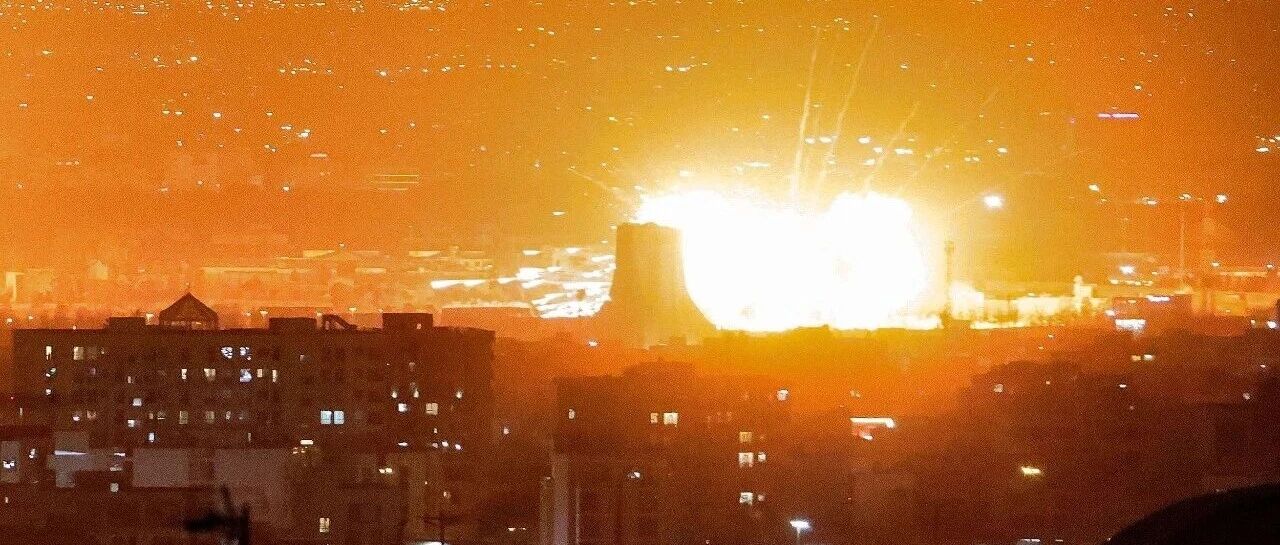
伊朗最新战果公布
第一财经· 2026-03-08 01:13
Core Viewpoint - The article discusses recent military actions by Iran's Islamic Revolutionary Guard Corps (IRGC) against U.S. and Israeli military facilities, highlighting the impact on regional defense capabilities and the escalation of conflict in the Middle East [3][4][6]. Summary by Sections Military Actions and Impact - The IRGC spokesperson announced that recent operations have affected U.S. and Israeli air defense and intelligence monitoring facilities, including the destruction of seven advanced radar systems crucial for regional defense [4]. - Key radar systems targeted include the FPS strategic radar at Qatar's Al Udeid Air Base and TPY radars in Jordan and the UAE, significantly impairing U.S. monitoring and defense capabilities in the region [4][6]. Details of Attacks - The IRGC reported using missiles such as "Haibar Shekan," "Imad," and "Qader" to strike multiple targets across Israel, including the Haifa oil refinery, with claims that all missiles hit their intended targets [7][8]. - The IRGC conducted a total of 600 missile strikes and 2,600 drone operations in the first week of conflict, targeting over 200 sensitive locations associated with U.S. and Israeli military [11][12]. Response to Previous Attacks - The recent missile strikes were described as retaliation for prior attacks on Iranian facilities, specifically referencing an attack on Tehran's oil refinery [9][12]. - The IRGC emphasized that the scale of firepower used in the initial days of conflict matched the total firepower used during the previous "12-day war" [12]. Naval Engagements - The IRGC claimed to have targeted 17 vessels belonging to the U.S., Israel, and their allies during the conflict [13]. Defense Capabilities - Iran's National Security Council Secretary dismissed claims of diminished missile capabilities, asserting that Iran's missile stockpile remains intact and well-deployed [15][16]. - The statement highlighted that the ongoing missile attacks on U.S. and Israeli positions contradict assertions of Iran's weakened missile capabilities [16][18].
