华为OceanStor Dorado

Search documents
存储失忆症的AI守护官
3 6 Ke· 2025-11-24 11:38
Core Insights - The article discusses a significant data loss incident in Daejeon, South Korea, where a fire at the National Intelligence Resource Management Institute resulted in the destruction of 858TB of government cloud data, affecting approximately 750,000 civil servants' work files over the past seven years [1][3][4] - The incident highlights critical weaknesses in modern storage systems, particularly the lack of early warning, dynamic resource allocation, and self-rescue mechanisms, emphasizing the need for intelligent storage solutions powered by AI [4][5][9] Group 1: Incident Overview - The fire led to a nationwide data crisis, causing 647 government business systems to crash, resulting in disruptions in airport operations and banking services [4][7] - The event underscores the increasing importance and vulnerability of data in the digital age, where data loss can have widespread implications across various sectors [7][9] Group 2: Storage System Weaknesses - Key weaknesses identified include the absence of early warning capabilities, as the system failed to detect pre-existing signs of danger such as temperature anomalies and power fluctuations [4][5] - The inability to dynamically allocate resources during threats resulted in all data being stored in the same physical location, rendering backup efforts ineffective [4][5] - The lack of proactive self-rescue mechanisms meant that the storage system could not isolate high-risk areas or initiate recovery processes in a timely manner [5][9] Group 3: The Role of AI in Storage Solutions - AI is positioned as a critical solution to enhance storage systems by providing capabilities such as intelligent operations, dynamic resource scheduling, and proactive security measures [10][11][13] - AI-driven systems can detect risks early by analyzing operational data and providing actionable insights, thus preventing potential failures [10] - Modern storage solutions equipped with AI can automate resource management, significantly improving efficiency and reducing costs [11] - AI enhances security by enabling systems to respond to threats in real-time, isolating affected data and ensuring business continuity [13] Group 4: Applications of AI-Enhanced Storage - In the financial sector, AI-powered storage systems are deployed to ensure high performance and reliability, optimizing resource allocation during peak transaction times [14] - In healthcare, AI-driven storage solutions have significantly reduced response times, improving patient care and outcomes [16] - AI technologies are also crucial in the development of large-scale AI models, addressing data bottlenecks and enhancing training efficiency [16][18] Group 5: Future Implications - The Daejeon incident serves as a reminder of the potential for future data crises, emphasizing the necessity for advanced AI capabilities in storage systems to mitigate risks [18]


万亿AI存储鸿沟如何填平?
3 6 Ke· 2025-08-26 08:08
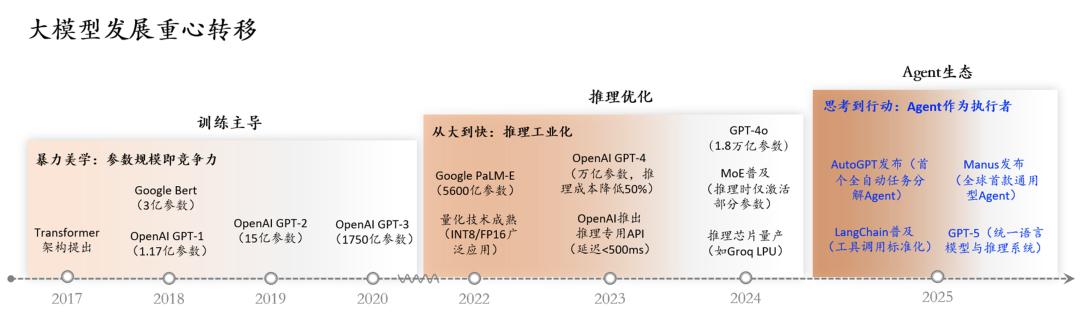
Core Insights - The article discusses the explosive growth potential of AI storage, driven by technological breakthroughs such as Universal Storage architecture and hardware decoupling, which enable distributed storage to become the mainstream choice for data infrastructure in the AI era [1][2]. Group 1: Market Dynamics - Vast Data, a Silicon Valley AI storage company, is in talks for a new funding round with a valuation reaching $30 billion, reflecting a 3.3x increase in valuation over 18 months [2]. - The global data volume is expected to grow at a rate of 36% annually, reaching YB scale by 2030, highlighting the need for efficient and secure data storage solutions [2]. Group 2: Technological Evolution - The shift in focus for large models has transitioned from training to inference optimization, with the emergence of Agents facilitating complex decision-making and interaction [3][4]. - The core requirements for storage in AI have evolved to include extreme throughput, low latency, and high concurrency, necessitating a shift from traditional storage solutions [5]. Group 3: Storage Requirements - AI inference requires significant throughput, with multi-agent collaboration demanding up to 1TB/s aggregate bandwidth and sub-millisecond latency for optimal performance [5]. - The need for unified management of multimodal data and version traceability is critical, as AI applications increasingly rely on diverse data types [6]. Group 4: Architectural Innovations - The Universal Storage architecture aims to integrate various storage types (block, file, object) into a single platform, addressing the inefficiencies of traditional storage systems [23][26]. - Vast Data's approach eliminates data silos and migration overhead, allowing seamless access to data across different protocols, significantly simplifying management and reducing total cost of ownership [26][27]. Group 5: Future Outlook - The article emphasizes the investment value of Universal Storage technology, driven by the increasing demand for storage performance and scalability in the AI era [32][33]. - The potential for disruptive opportunities in the enterprise storage market is highlighted, as AI applications lead to a surge in data volume and storage needs [32].